Click to generate audioFirst play may take 10-15 seconds
At a Glance: The Seobok Exhibition Hall offers insights into Korean mythology and history, showcasing artifacts related to the legendary figure Seobok.
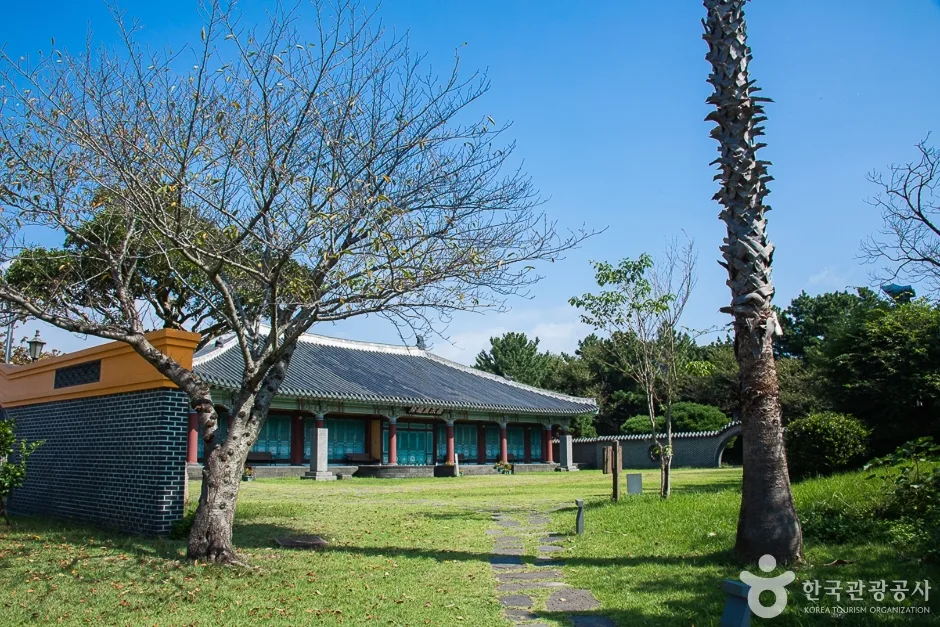
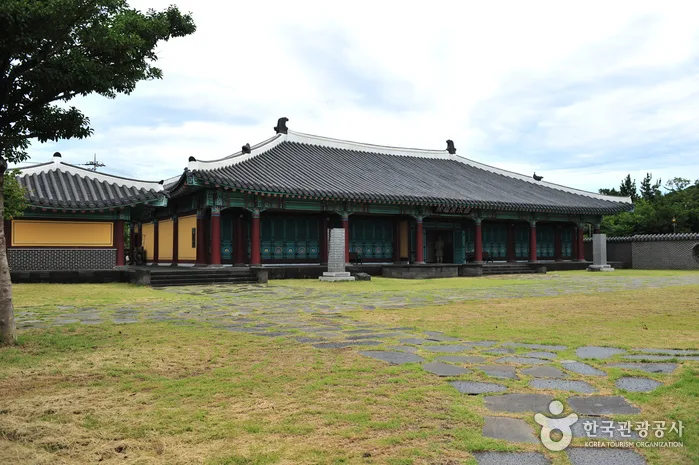
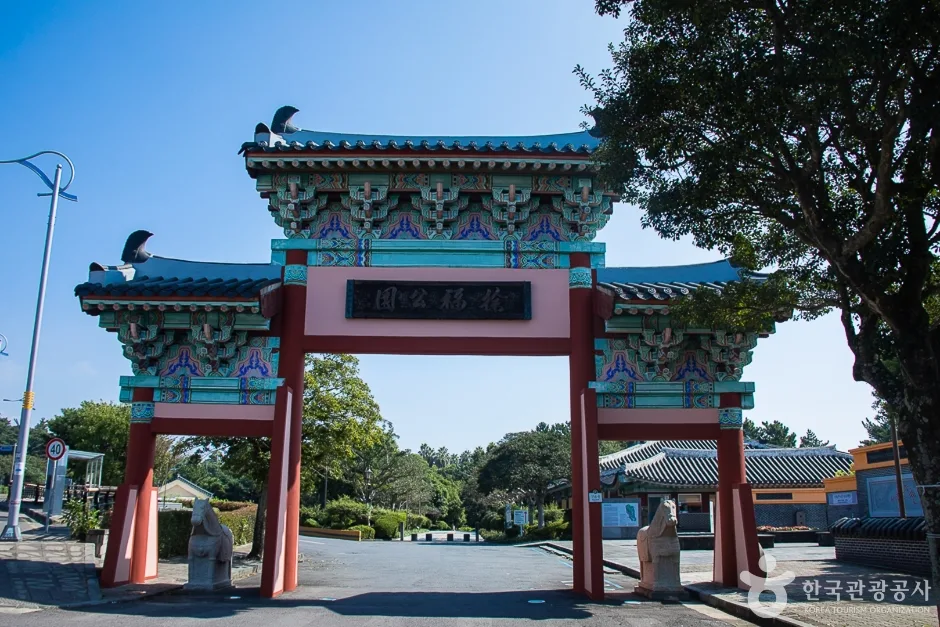
Located in the scenic surroundings of Jeju Island, Seobok Exhibition Hall (서복전시관) provides visitors a fascinating glimpse into the lore surrounding Seobok, a legendary figure believed to have traveled to Jeju in search of a miraculous plant. This plant, known as Bulrocho, was said to grant immortality to Emperor Qin of China. Exploring this exhibition hall can be a rewarding experience for anyone interested in Korean culture and myths.
What makes Seobok Exhibition Hall (서복전시관) culturally significant?
The significance of Seobok lies deeply rooted in Korean folklore. The story of his quest reflects the historical ties between Korea and China, particularly during the early dynastic periods. As a symbol of longevity and the pursuit of knowledge, Seobok has become an essential part of Jeju’s cultural narrative.
In my experience, learning about these connections enriches your understanding of regional history. The hall not only serves as an educational site but also promotes local pride through its homage to this mythical character.
What are the main exhibitions or features?
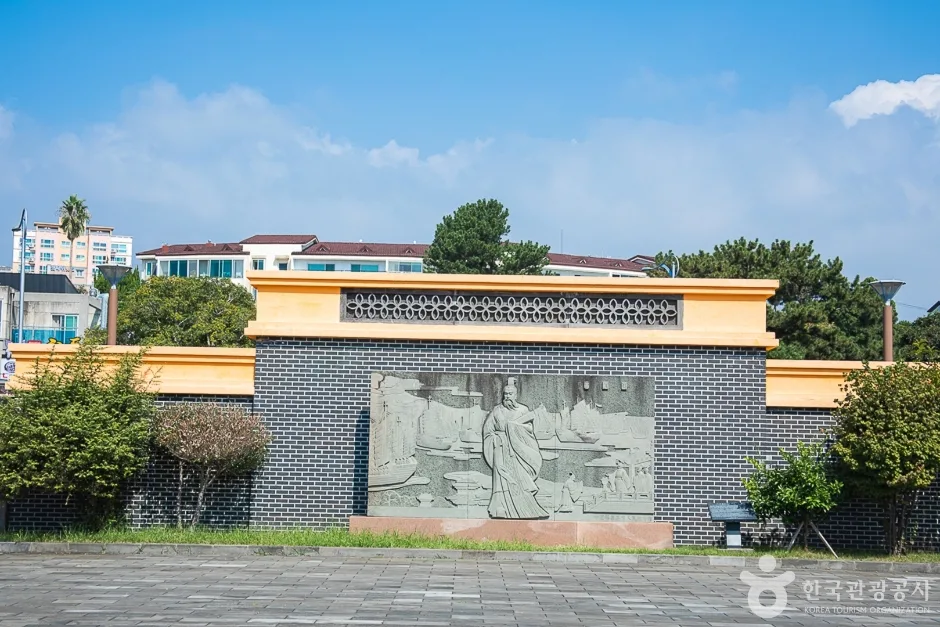
The Seobok Exhibition Hall features a variety of exhibits that include a statue of Seobok, a bronze carriage, and replicas of the terracotta soldiers from the Mausoleum of the First Qin Emperor. These artifacts provide context to Seobok’s journey and its importance to both Korean and Chinese histories.
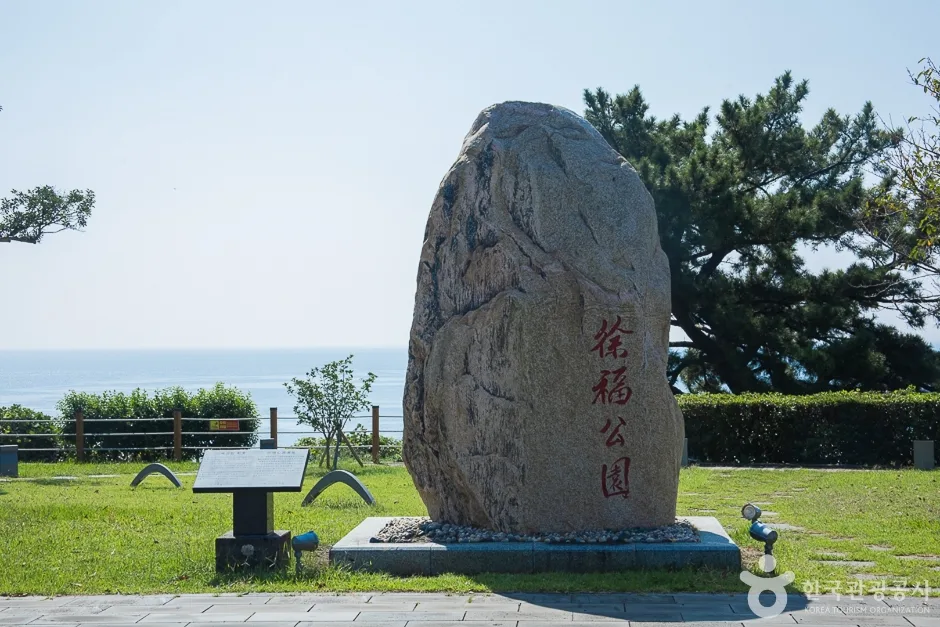
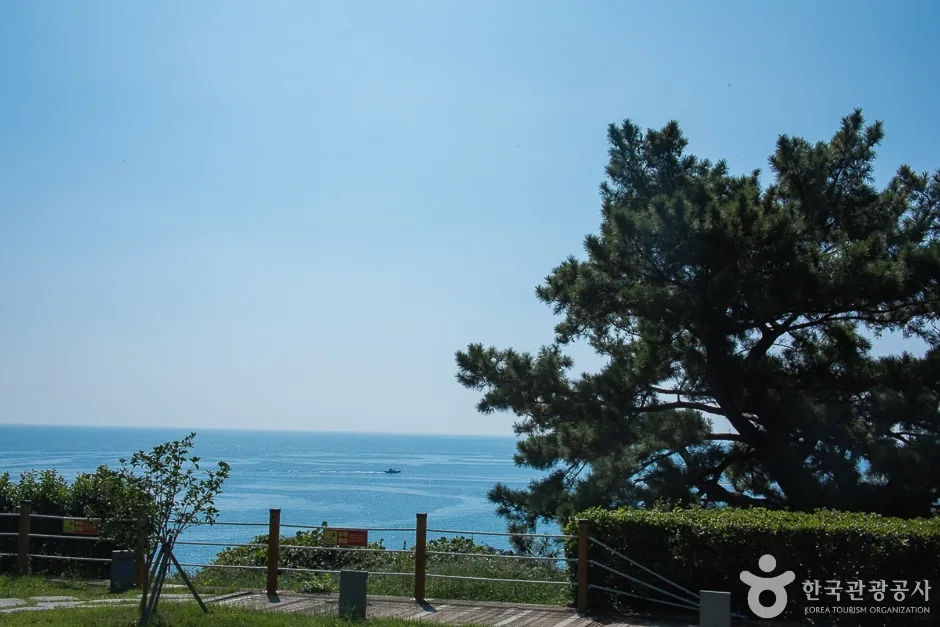
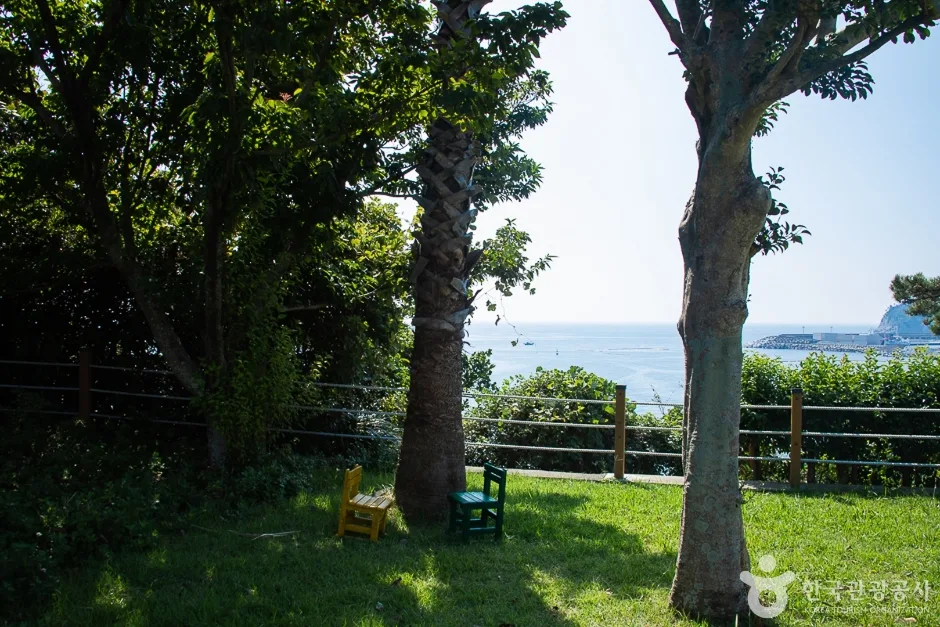
One of the more interesting aspects is the coastal observatory area, which allows you to relax while enjoying stunning views. It’s conveniently located just 150 meters from Jeongbangpokpo Falls, so consider combining your visit with a trip to this natural wonder for a full day out.
Is Seobok Exhibition Hall (서복전시관) suitable for all ages?
This exhibition hall is indeed family-friendly and welcomes visitors of all ages. Children can enjoy engaging displays that bring mythology to life, while adults may appreciate the cultural insights provided.
The open design and spacious rest areas make it easy for families to navigate comfortably. Just keep in mind that some exhibitions may require a bit more focus or interest in history for younger visitors. Just something to keep in mind.
What practical tips should you know?
Admission to the Seobok Exhibition Hall is free, which is always a plus for budget-conscious travelers. Operating hours are from 09:00 AM to 06:00 PM, but do note that it is closed on New Year’s Day, Lunar New Year (Seollal), and Chuseok (Korean Thanksgiving Day).
If you’re driving, parking is available on-site. For those relying on public transportation, check local bus routes that serve the area—this can save time and make your visit smoother. A quick tip: while English may not be widely spoken by all staff members, they are generally friendly and eager to help; basic Korean phrases can go a long way here.