Click to generate audioFirst play may take 10-15 seconds
At a Glance: Woljeongsa Museum (월정사 성보박물관) in Pyeongchang-gun offers a unique insight into Korean Buddhist culture and art.
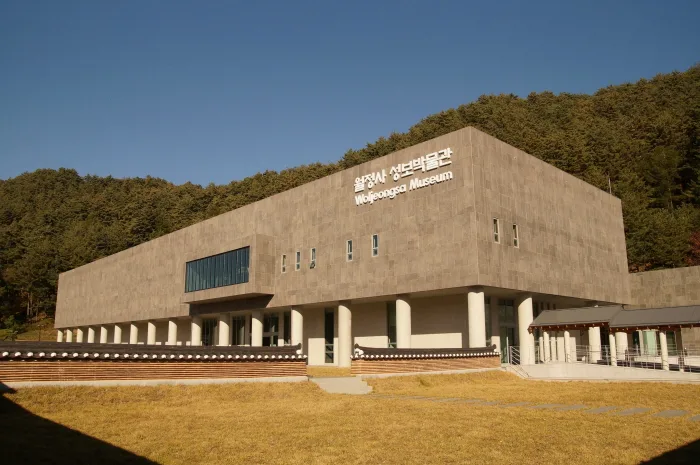
As I approached the Woljeongsa Museum (월정사 성보박물관) on a crisp autumn day, the air was fresh, filled with the scent of pine from the surrounding forest. The museum sits comfortably near the stunning Odaesan National Park, making it not just an educational stop but also a picturesque one. My first impression was its serene design, which blends seamlessly into its natural surroundings.
What is Woljeongsa Museum (월정사 성보박물관) and why does it matter?
The Woljeongsa Museum focuses on preserving and showcasing artifacts related to Korean Buddhism. This facility plays an essential role in educating visitors about Buddhist art and history through a collection that spans centuries. As someone who’s visited various cultural sites in Korea, I found this museum particularly noteworthy for its depth and focus on a specific aspect of Korean heritage.
Located at 176 Odaesan-ro, Pyeongchang-gun, Gangwon-do, this museum makes an ideal stop after exploring nearby temples like the Woljeongsa Temple. The area itself is peaceful and allows for contemplation and reflection—a perfect match for the exhibits housed within.
A walkthrough of the main highlights
The museum features several exhibition halls that detail different aspects of Buddhism in Korea, from ancient artifacts to modern interpretations. You can expect to see everything from intricate wood carvings to ornate ceremonial items used in Buddhist rituals. The layout is intuitive; you can easily follow your curiosity through well-labeled displays.
One interesting feature I appreciated was the multi-lingual descriptions available for many pieces. It’s evident that they want international visitors to feel included, which can sometimes be lacking in other cultural institutions. If I’m being honest, the only downside is that some areas may feel cramped during peak hours.
Is it engaging for non-Korean visitors?
This museum has much to offer even if you’re not deeply familiar with Korean culture or Buddhism. While there are specialized terms used throughout the exhibits, most displays are approachable thanks to their clear explanations. You’ll likely find something intriguing regardless of your background.
Moreover, many locals visit as well—it’s not just a tourist spot—which adds an authentic touch to your experience. I would recommend allowing yourself at least an hour to absorb what’s on display fully; trust me on this one.
How do you get there?
If you’re driving from Seoul or other major cities, take Highway 6 towards Pyeongchang-gun; it’s about a two-hour drive depending on traffic conditions. Public transport options include buses from Seoul Station directly heading towards Pyeongchang; however, check schedules ahead of time as service can be limited.
What are some practical tips for visiting?
The museum opens daily but double-check local hours before going since they can vary by season.
Tipping is not expected at museums or cafes nearby—your ticket purchase supports them enough!