Click to generate audioFirst play may take 10-15 seconds
At a Glance: Discover the historical significance and architectural beauty of Sinsedong Chilcheung Jeontap, Korea's oldest brick pagoda.
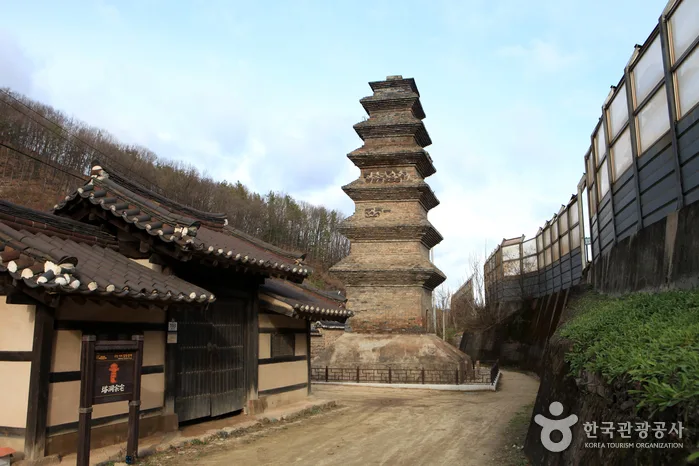
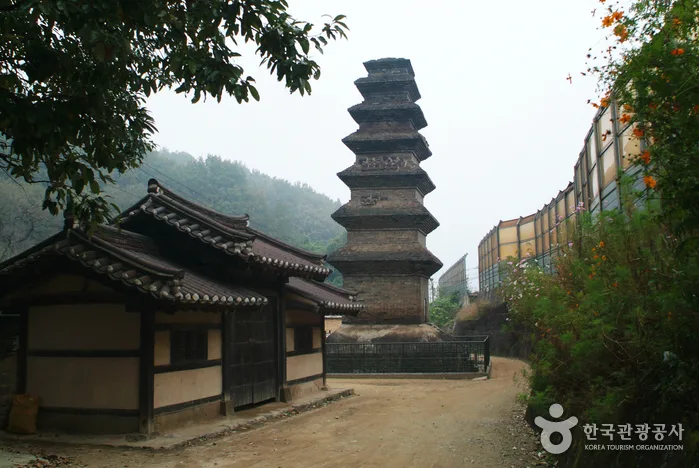
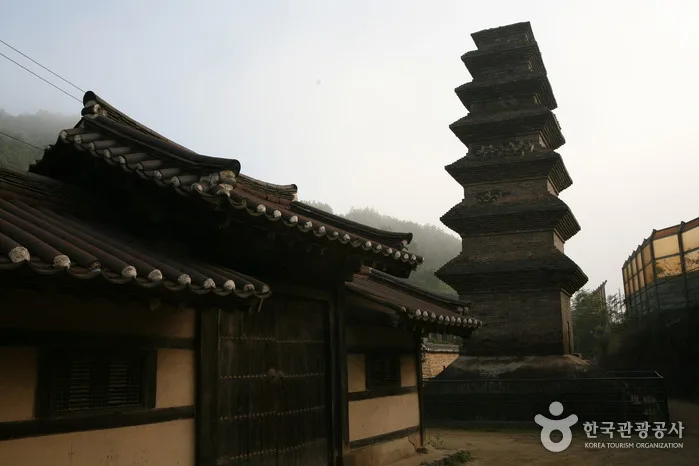
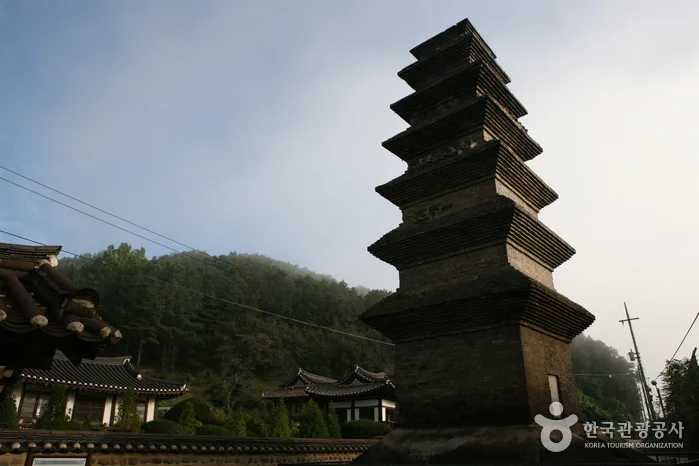
Arriving at Sinsedong Chilcheung Jeontap (안동 법흥사지 칠층전탑) was an unexpected delight. The weather was crisp, and the early morning light bathed the pagoda in a warm glow. Standing at 16.8 meters tall, this impressive structure quickly commands attention. As I approached, I couldn’t help but admire its intricate carvings and the sheer scale of this ancient monument.
What will you find at Sinsedong Chilcheung Jeontap?
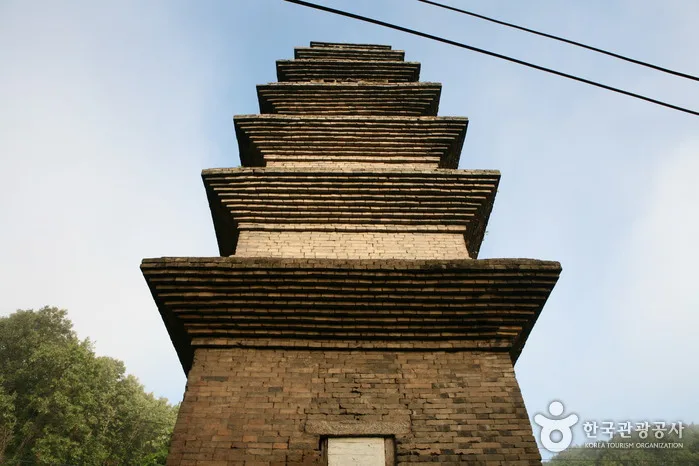
The Sinsedong Chilcheung Jeontap is Korea’s oldest and largest stone pagoda, designated as National Treasure No. 16. Built during the Unified Silla Kingdom in the eighth century, it’s the last remnant of Beopeungsa Temple, which once flourished here. The lower tiers still display beautiful carvings of Buddhist deities, though sadly, the ornamental top portion has been lost over time.
walking around, take a moment to notice the traces of tiled roofs on each story of the tower; it gives insight into its original grandeur. The pagoda was reconstructed in 1487, and while much has changed since then, it stands as a testament to Korea’s architectural prowess.
When is the best time to visit Sinsedong Chilcheung Jeontap?
The ideal time to visit this historic site is during spring or autumn when the weather is mild and comfortable for walking around. I found that visiting in early morning offers a quieter atmosphere with fewer tourists—good for appreciating its serene beauty.
While summer can be hot and humid in South Korea, late afternoons can still provide pleasant visits if you want to see it against a sunset backdrop. Just keep an eye on local weather forecasts if you’re planning your trip around specific dates.
How can you reach Sinsedong Chilcheung Jeontap by public transit?
Reaching Sinsedong Chilcheung Jeontap by public transit is straightforward. From Andong Station, you can take bus No. 46 or No. 47 towards Beopheung-dong; both routes will get you close to your destination within about 30 minutes.
If you’re coming from downtown Andong or nearby attractions like Hahoe Folk Village, taxis are also available and fairly inexpensive. driving there could be an option as well since parking space is generally available near tourist sites.
Any tips for first-time visitors?
For first-time visitors, don’t rush your experience here; take your time exploring every detail of the pagoda and surrounding area. You might also want to bring along some snacks or water because amenities are limited near historical sites like this one.
Also, consider visiting during weekdays if possible—weekends tend to draw larger crowds which can diminish your experience somewhat. Lastly, remember that there’s no admission fee to enter this site; it’s free! Just be respectful as it’s a cultural heritage site.