Click to generate audioFirst play may take 10-15 seconds
At a Glance: Chuncheon Cheongpyeongsa Temple offers a serene glimpse into Korea's Buddhist heritage, set in a beautiful natural landscape.
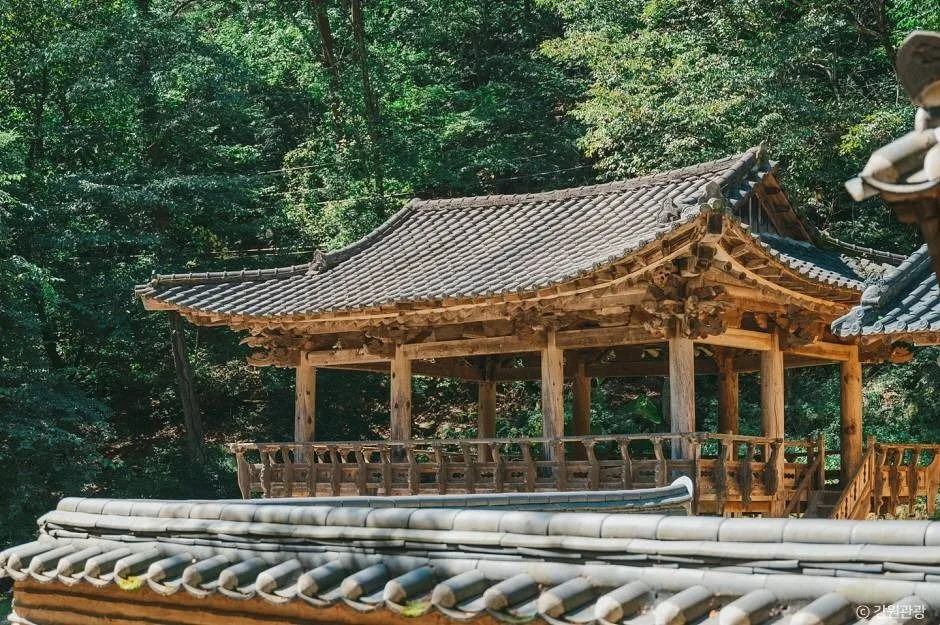
The tranquility of Chuncheon Cheongpyeongsa Temple (청평사 (춘천)) is hard to beat. walking through the temple grounds, the serene atmosphere and natural beauty create a perfect retreat from the hustle and bustle of daily life. This historic site, established over a thousand years ago, provides insight into Korea’s rich Buddhist traditions while also allowing visitors to appreciate stunning mountain views.
What makes Chuncheon Cheongpyeongsa Temple (청평사 (춘천)) worth visiting?
The temple’s long history adds depth to its beauty. Originally built as Baegamseonwon Temple in 973, it has undergone several renovations and name changes over the centuries. Yi Ja-hyeon, a notable scholar from the Goryeo period, even designed a garden here that respects the natural landscape. One interesting feature is the pond dating back to the Goryeo era, which remains well-preserved.
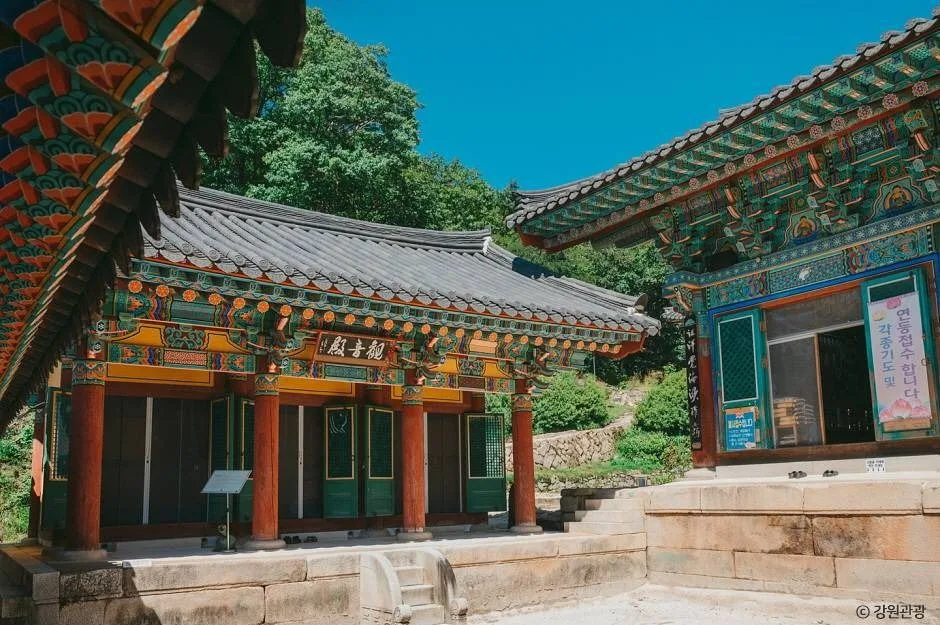
While exploring the grounds, you’ll encounter several important structures like Geungnakjeon Hall, which was restored in 1975 after damage during the Korean War. The presence of various artifacts adds to its cultural significance. But here’s the thing: some parts of the temple complex are not as well maintained as others, so keep your expectations in check regarding their condition.
How do you get to Chuncheon Cheongpyeongsa Temple (청평사 (춘천))?
Reaching Chuncheon Cheongpyeongsa Temple is relatively straightforward. If you’re coming from Seoul, taking an express bus from Dongseoul Bus Terminal to Chuncheon takes about two hours and costs around ₩8,000 (about $6 USD). Once you arrive at Chuncheon Station, local buses or taxis can take you directly to the temple.
If you’re driving, take Highway 46 toward Chuncheon and follow Obongsan-gil for about 15 minutes after entering the city limits. There’s parking available on-site for ₩2,000 (about $1.50 USD), which is quite reasonable considering how peaceful it feels once you arrive.
What should you know before visiting?
No specific closure days mean you can visit any time of year. However, I’d recommend going during spring or autumn when the weather is pleasant and nature is at its most beautiful. The temple doesn’t charge an entrance fee but be prepared for some walking; comfortable shoes are a must.
Culturally speaking, it’s essential to respect local customs while visiting Buddhist temples in Korea. Remember to dress modestly and remove your shoes when entering any buildings. Also, it’s a good idea to maintain quiet as many visitors come here seeking peace and reflection.
What else is nearby?
if you want more activities in the area, Chuncheon itself has plenty to offer. The famous Dakgalbi Street is just a short drive away and features numerous restaurants specializing in spicy stir-fried chicken with vegetables—definitely worth trying!
You might also consider visiting Uiamho Lake nearby for picturesque views or taking a hike up Obongsan Mountain for more stunning vistas of Chuncheon city. So if you’re planning a day trip around this area, you’ll have no shortage of options.