Click to generate audioFirst play may take 10-15 seconds
At a Glance: Yanggoksa Shrine (양곡사) offers visitors a serene atmosphere and historical insights into Korea's past with its memorials.
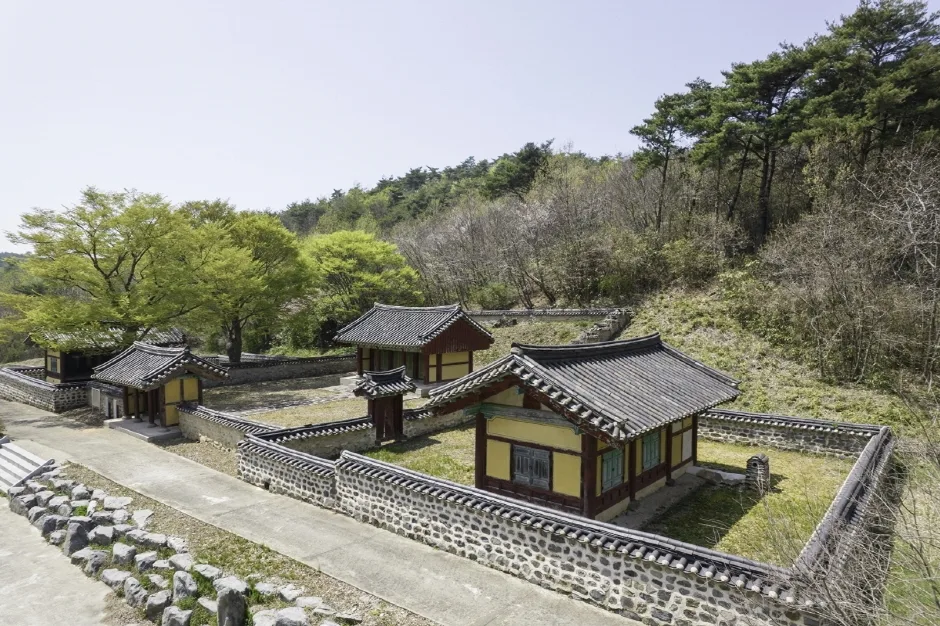
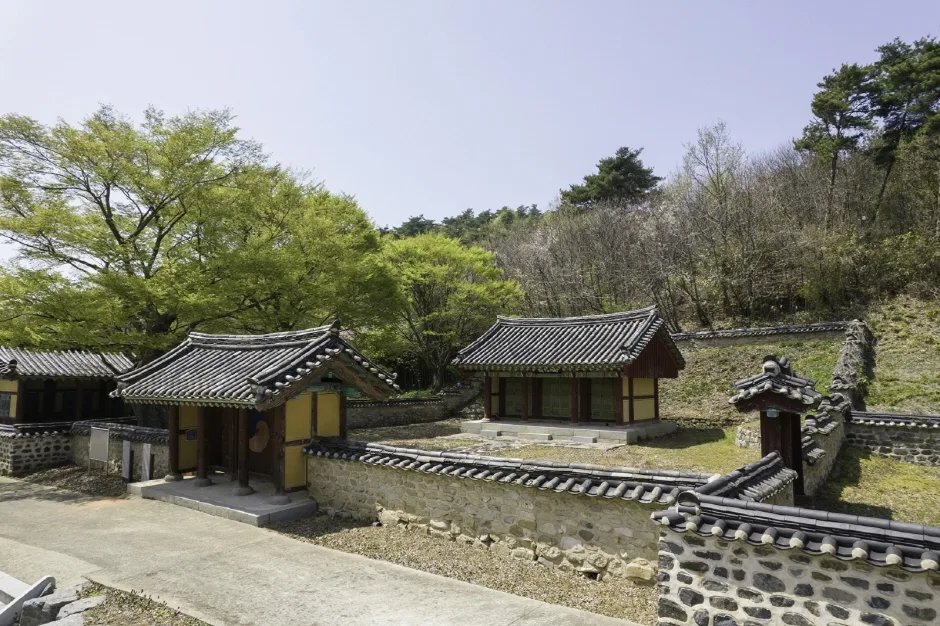
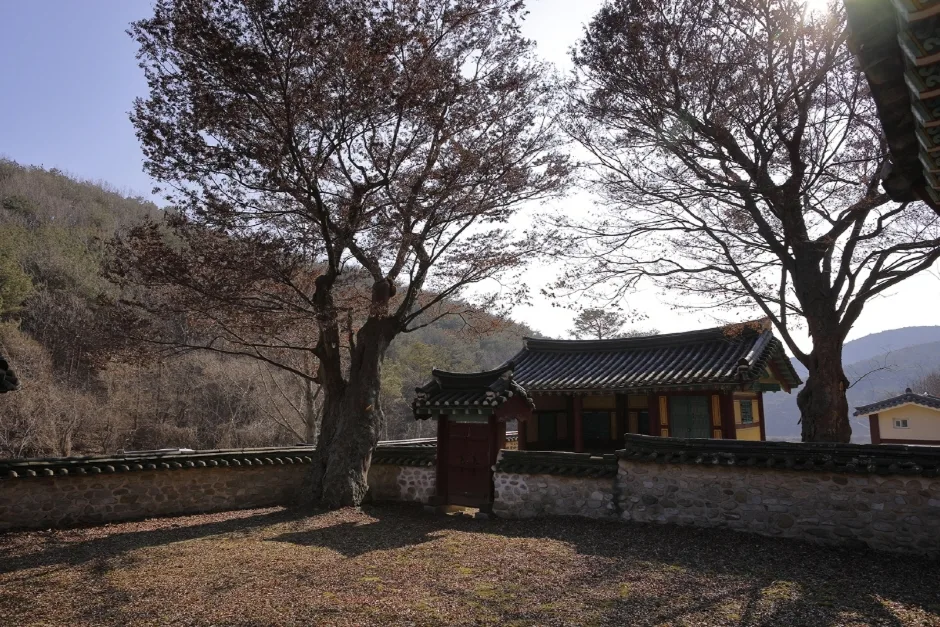
While walking through Yanggoksa Shrine (양곡사), I stumbled upon the tranquil gardens surrounding the memorial tablets. The serenity of this place caught me off guard, making it an ideal spot for reflection and appreciation of Korean culture. It’s an oasis away from the typical tourist trails.
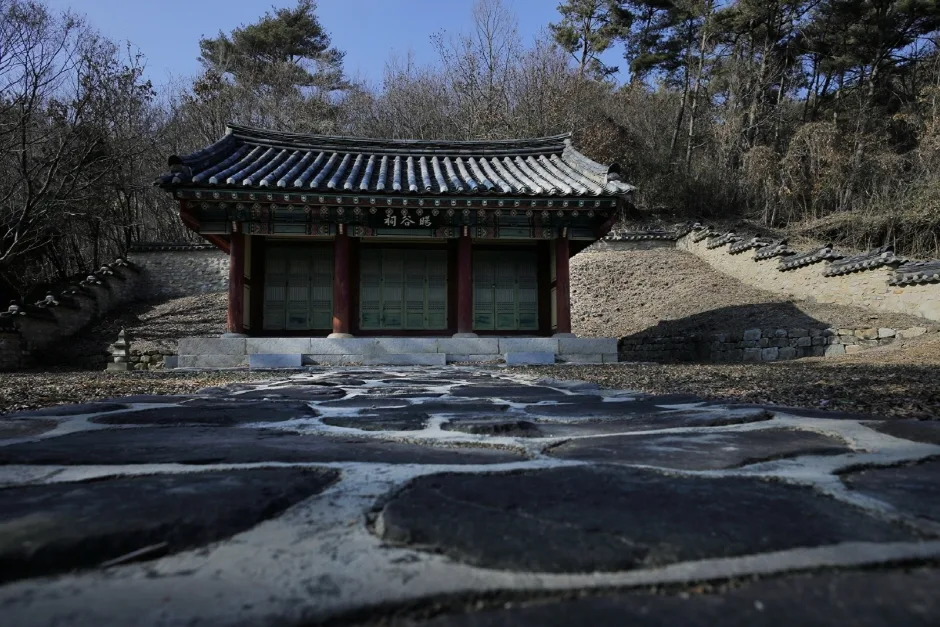
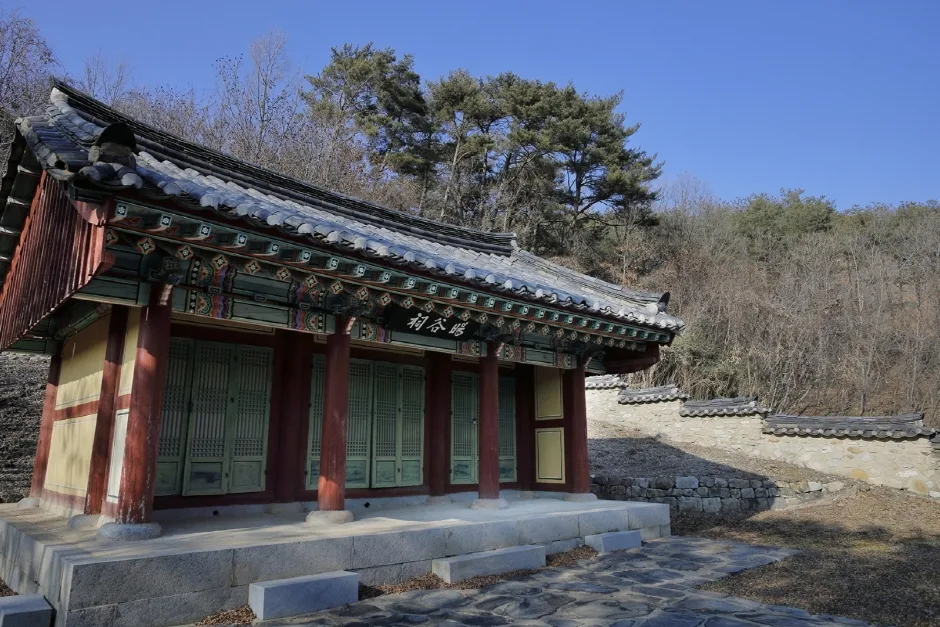
The shrine is dedicated to Han Won-jin and his disciples, Song Neung-sang and Kim Han-rok, whose memorial tablets are enshrined here. Built in 1772, it underwent restoration in 1987, adding more depth to its historical significance. You’ll find beautifully manicured gardens that add to the peaceful atmosphere, good for a leisurely stroll.
As you explore, look out for inscriptions and plaques that explain the shrine’s background and its connection to Confucianism. The architecture itself is reflective of traditional Korean styles, which is something I appreciated as a newcomer to Korea’s rich heritage.
When is the best time to visit Yanggoksa Shrine (양곡사)?
The best time to visit is during spring or autumn when the weather is mild, and the scenery is particularly lovely. Cherry blossoms bloom in spring, while autumn brings vibrant foliage that enhances the shrine’s beauty. Visiting during weekdays may also provide a quieter experience compared to weekends.
If you’re interested in local events, check if any ceremonies or traditional performances coincide with your visit. But here’s the thing: be prepared for possible crowds if you’re visiting during major holidays like Chuseok or Seollal.
How can you reach Yanggoksa Shrine (양곡사) by public transit?
Reaching Yanggoksa Shrine is straightforward using public transport. You can take a bus from Hongseong Station; several routes will drop you off within walking distance of the shrine. The journey typically takes around 20-30 minutes depending on traffic.
For specific bus routes, consider asking locals or checking local transit apps for real-time information. Driving can also be convenient if you have access to a car; there’s parking available near the entrance.
Any tips for first-time visitors?
Don’t forget your camera — the scenery provides plenty of opportunities for stunning photos! Also, remember that this is a place of reverence; dress modestly and maintain a respectful demeanor while exploring. If you’re not fluent in Korean, downloading a translation app can be beneficial for reading signs or engaging with locals.
A practical tip: there’s no admission fee to enter Yanggoksa Shrine, which makes it an excellent choice for budget travelers looking to experience Korean culture without spending much. Trust me on this one: taking your time here allows you to appreciate every detail!