Click to generate audioFirst play may take 10-15 seconds
At a Glance: Experience traditional Korean culture through hands-on activities at the Sejong Cultural Center of Korean Tradition.
Visiting the Sejong Cultural Center of Korean Tradition (세종전통문화체험관) can be particularly enjoyable in spring or autumn when the weather is mild. These seasons offer a pleasant backdrop for exploring traditional crafts and cultural experiences that highlight Korea’s heritage. The center provides an engaging way to dive into activities that may not be available elsewhere.
My first impression of Sejong Cultural Center of Korean Tradition (세종전통문화체험관)
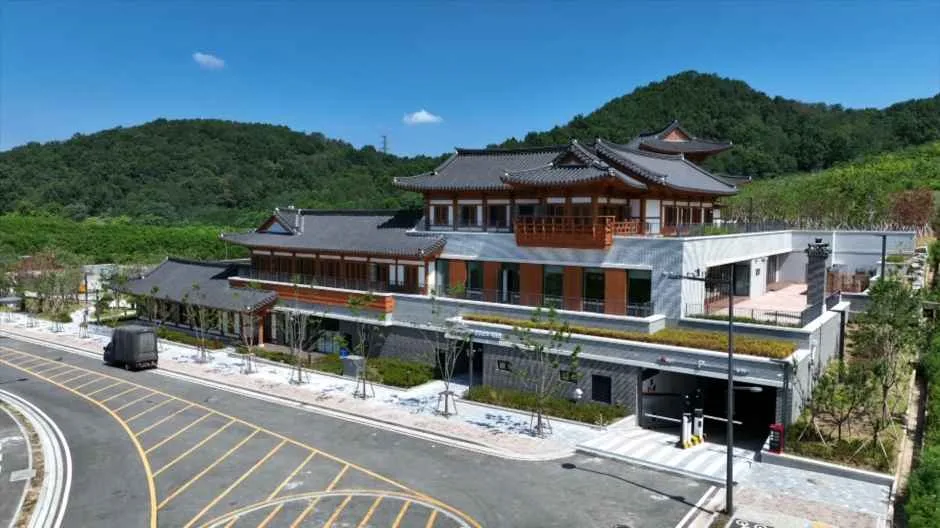
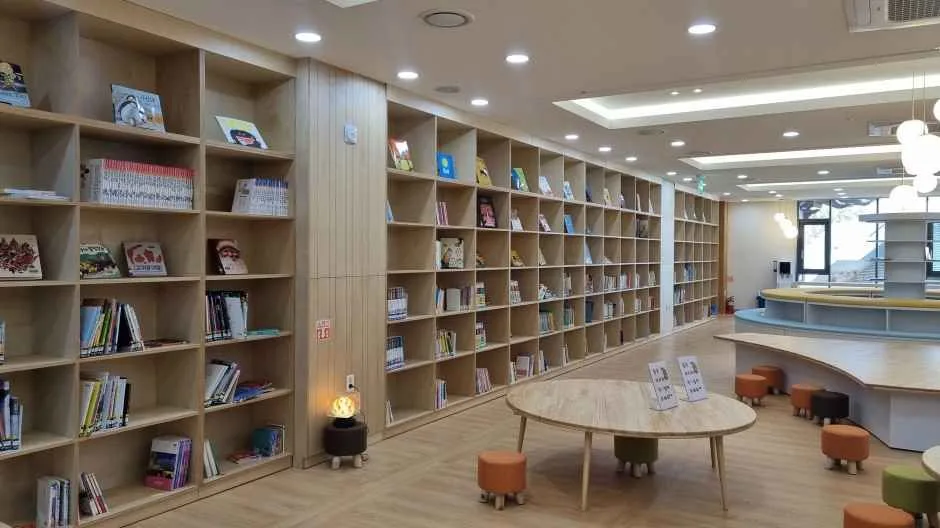
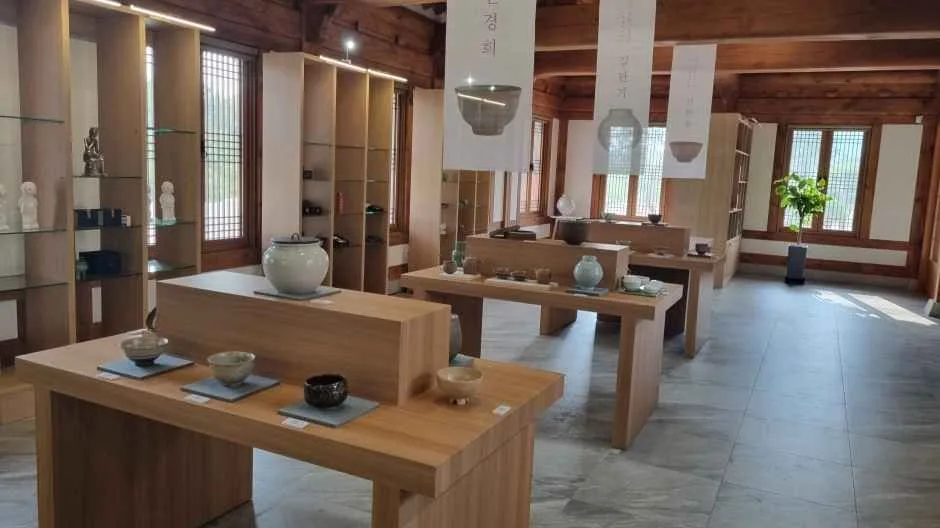
The first thing I noticed upon arriving was the modern yet welcoming architecture of the center, which instantly set the tone for an immersive cultural experience. The layout is intuitive, making it easy to navigate between exhibition halls and interactive spaces. On entering, visitors are greeted with various displays showcasing traditional crafts and art forms.
What stands out at Sejong Cultural Center?
The diverse range of activities makes this place worth your time. Engaging in traditional arts such as samulnori (percussion performance) or mask dancing allows you to connect with Korea’s cultural roots on a deeper level. Additionally, there are opportunities for hands-on workshops like decorative painting and calligraphy, where you can create your own piece to take home.
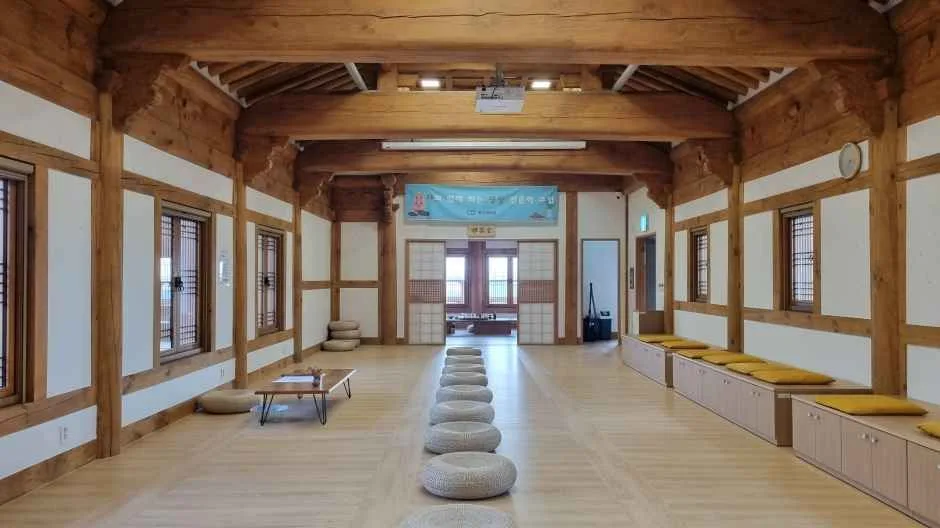
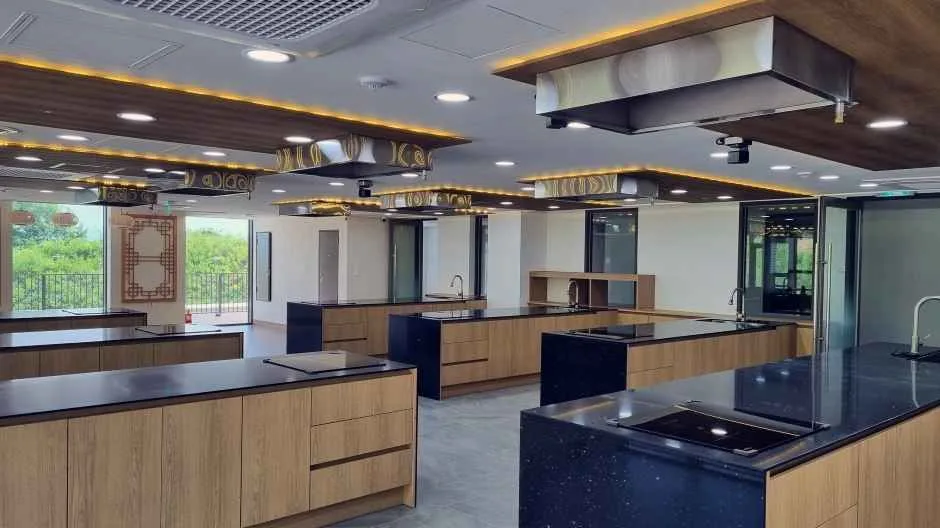
Cultural experiences extend beyond arts and crafts as well. You can participate in temple food workshops focused on vegan and fermented dishes, which I found fascinating since these foods reflect a significant aspect of Korean wellness practices. Meditation sessions, yoga classes, and tea ceremonies add layers to your visit, providing relaxation amidst creative activities.
How do you get to Sejong Cultural Center of Korean Tradition (세종전통문화체험관)?
The center is located at 94 Morongji-ro in Sejong-si, which is relatively accessible by public transport. If you’re driving, parking is available on-site—though be aware that it might fill up quickly during weekends or holidays.
If you’re relying on public transportation, I recommend checking local bus routes as they frequently service this area. Unfortunately, there isn’t a subway station nearby; however, a taxi ride from major transit hubs shouldn’t take long and will likely cost around ₩10,000 (about $7 USD). You might feel differently though.
A few things to keep in mind
The center operates from 09:00 to 17:00 but closes on Mondays—something I learned the hard way after planning my visit for that day! It’s wise to check ahead if you’re considering participating in specific workshops since some may require advance booking or have limited spots available.
If you’re concerned about costs while visiting, remember that many experiences are included in your admission fee. Trust me when I say you’ll get good value here compared to other tourist attractions where entry fees can add up quickly without much interaction.