Click to generate audioFirst play may take 10-15 seconds
At a Glance: Gilsangsa Temple offers a serene escape in Seoul, perfect for experiencing Buddhist culture and nature's beauty.
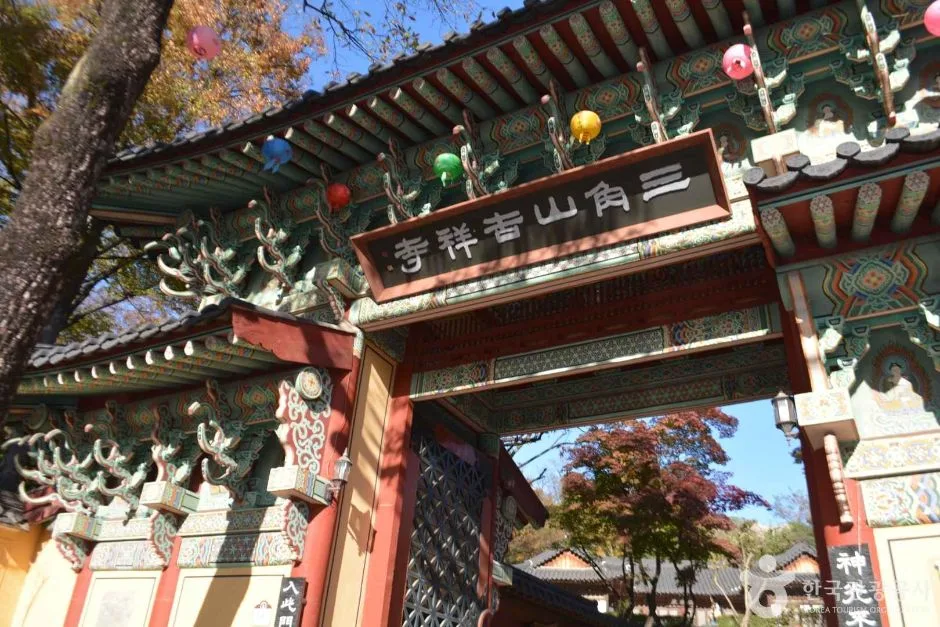
Gilsangsa Temple (길상사) stands out as a tranquil oasis in central Seoul. Located at 68 Seonjam-ro 5-gil, Seongbuk-gu, this temple blends spiritual practice with natural beauty, making it an ideal spot for both reflection and exploration. Having visited multiple times, I’ve found that each visit reveals new aspects to appreciate.
The temple is not just a place of worship but also offers various experiences that deepen your understanding of Buddhism. You can participate in Templestay programs on weekends, where you’ll engage in meditation and traditional Buddhist practices. This immersive experience is a great way to disconnect from the hustle of city life.
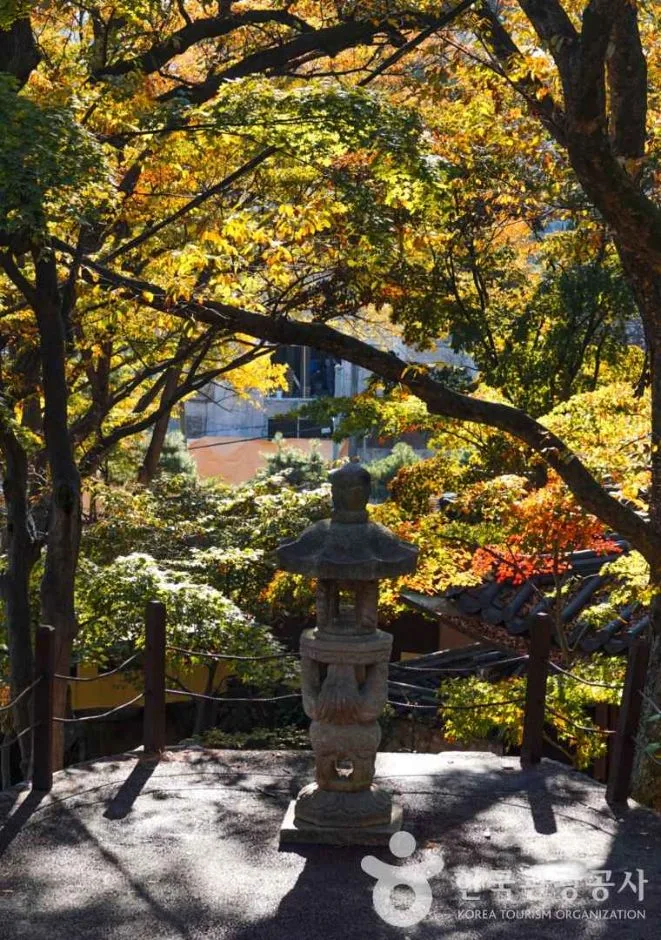
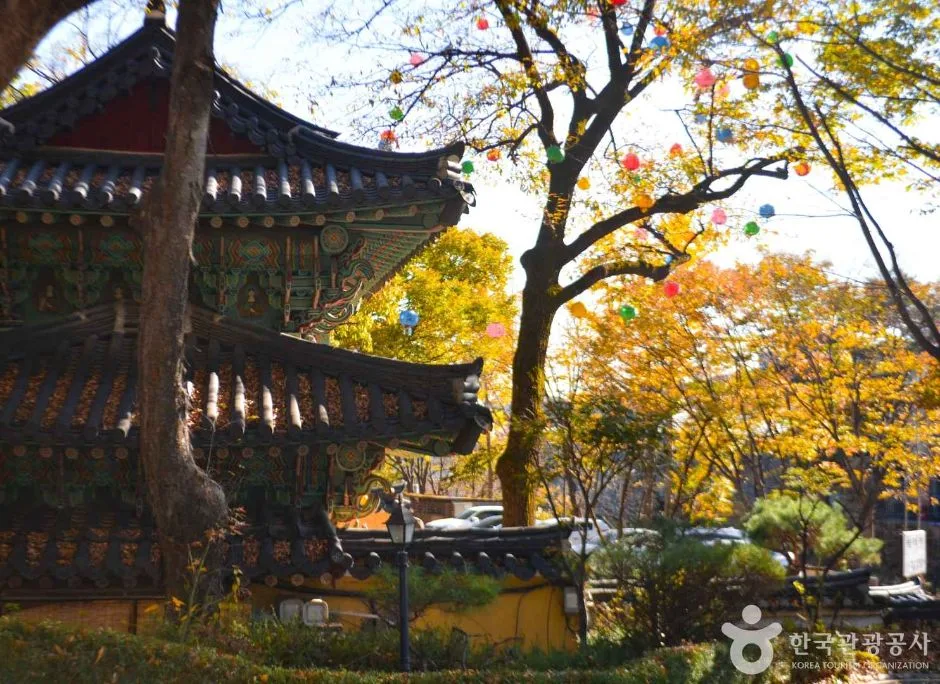
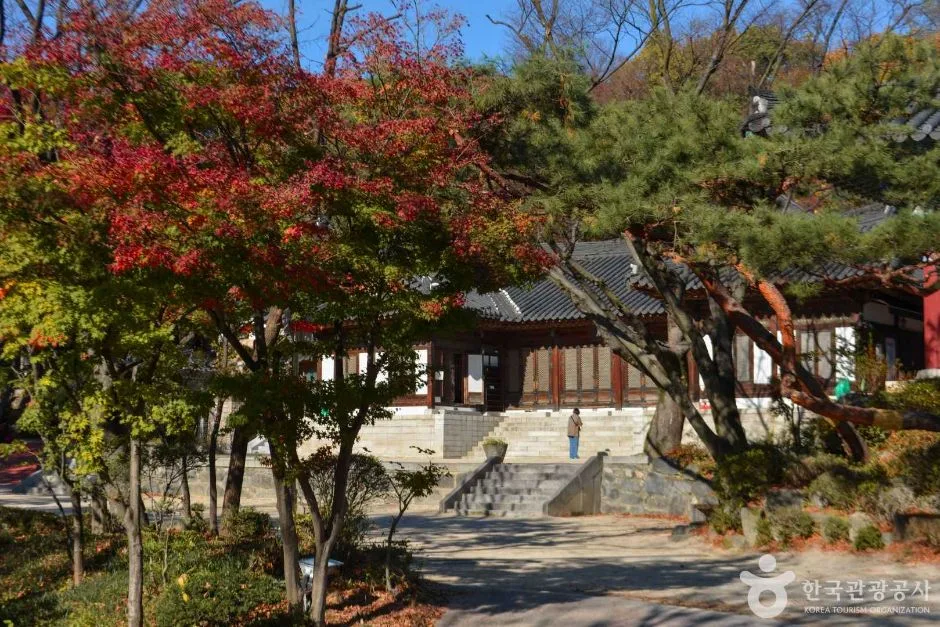
Another highlight is the seasonal beauty that surrounds the temple. In the fall, visitors can admire red spider lilies and wildflowers dotting the grounds. Honestly, these bursts of color against the backdrop of traditional architecture are quite striking and make for excellent photo opportunities.
How do you get to Gilsangsa Temple?
Reaching Gilsangsa Temple is fairly straightforward. The closest subway station is Hansung University Station (한성대입구역), which is about a 10-minute walk away. Take Exit 1 and follow the signs; it’s a pleasant stroll through local streets.
If you’re coming from other parts of Seoul, several buses service this area as well. Lines 1016 and 143 stop nearby, which can be convenient if you’re navigating public transport. Driving? Keep in mind that parking is limited around the temple, so public transit might save you some hassle.
What should you know before visiting?
Before heading to Gilsangsa Temple, it’s good to note that it’s open year-round from 09:00 to 18:00. Admission is free, which is always a plus if you’re watching your budget. Restrooms are available on-site too.
A couple of cultural tips can enhance your visit: remember to dress modestly when entering temple buildings and remove your shoes beforehand — this respects local customs significantly. Also, if you plan on participating in any activities like meditation sessions or Templestay programs, booking ahead is advisable since they can fill up quickly.
What else is nearby?
If you have extra time after visiting Gilsangsa Temple, consider exploring nearby attractions like Bukaksan Mountain (북악산). It’s just a short distance away and offers hiking trails with stunning views over Seoul — good for nature lovers or those seeking outdoor activities.
You could also visit Korea’s historic district of Seongbuk-dong while you’re in the area; it’s rich with traditional houses known as hanok. Wandering through these charming streets provides insight into Korea’s architectural heritage.