Click to generate audioFirst play may take 10-15 seconds
At a Glance: The Tomb of Hwang Hui (황희정승묘) offers insight into early Joseon history and a peaceful environment for visitors.
Have you ever wondered about the lives of influential figures in Korean history? The Tomb of Hwang Hui (황희정승묘) is not just a burial site; it’s a portal to understanding the early Joseon dynasty. This tomb honors Hwang Hui, a prime minister who played a key role in shaping Korea’s political landscape during the 14th and 15th centuries.
What makes Tomb of Hwang Hui (황희정승묘) worth visiting?
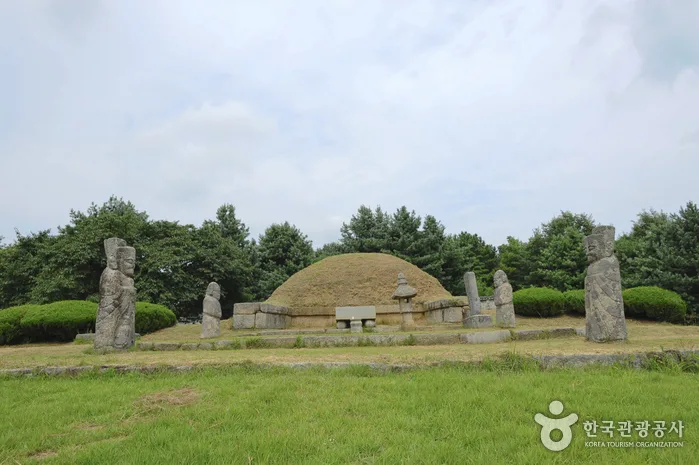
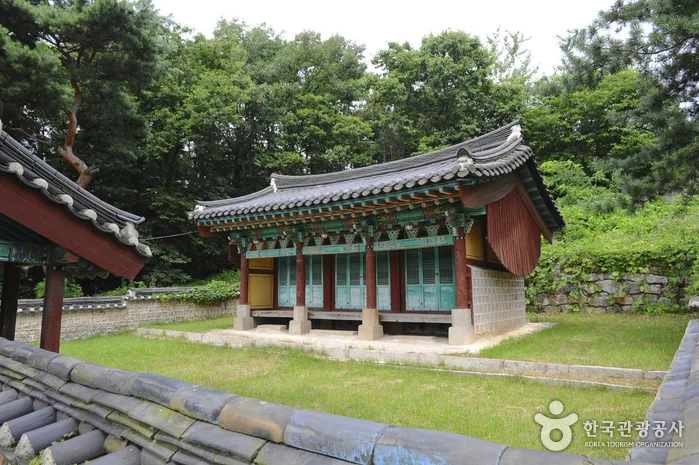
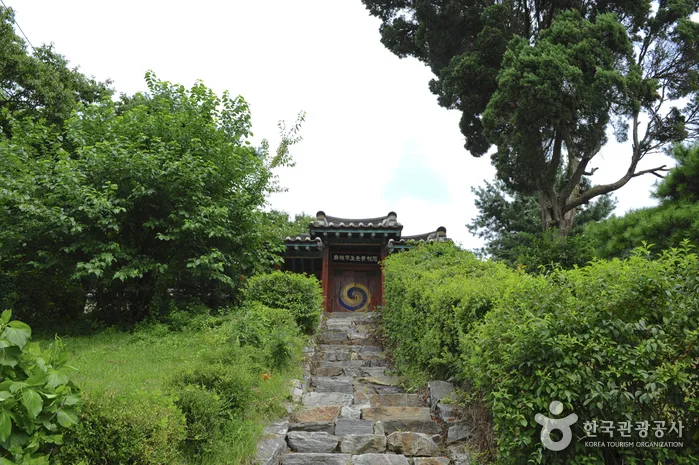
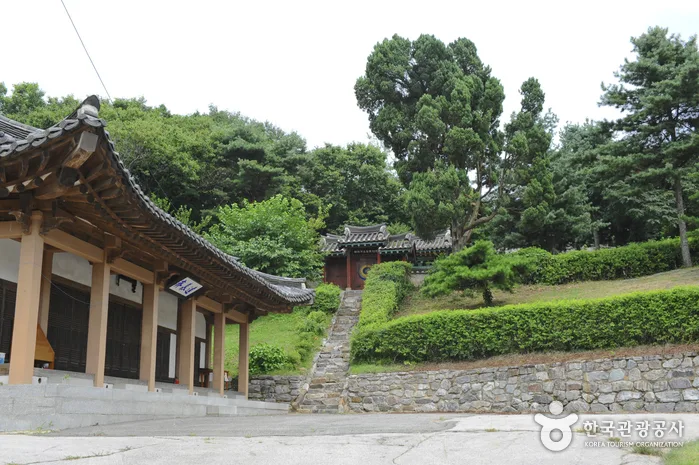
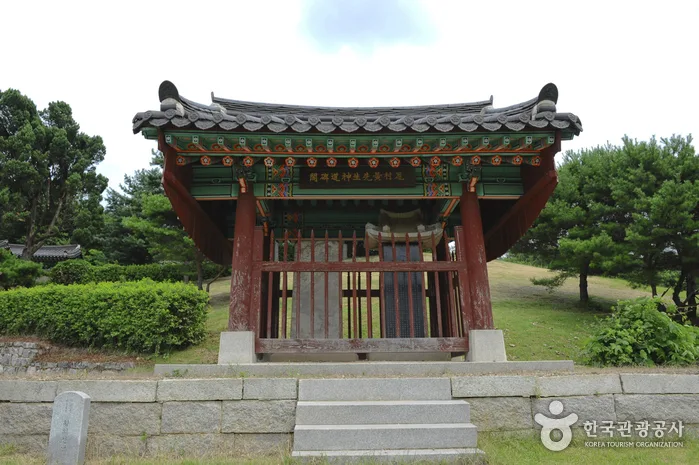
The tomb itself is an impressive structure built in three stages, showcasing large burial mounds that reflect the significance of its occupant. Hwang Hui served under King Taejong and King Sejong, contributing notably to diplomacy, law, and national defense. Walking through the site gives you a sense of the reverence held for this historical figure and allows you to appreciate traditional Korean burial practices.
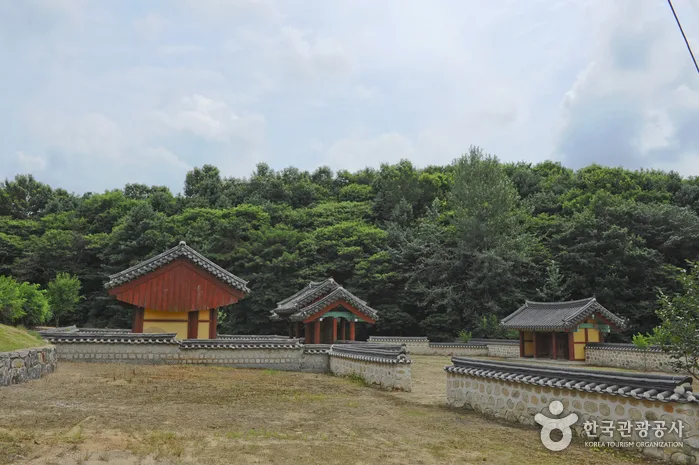
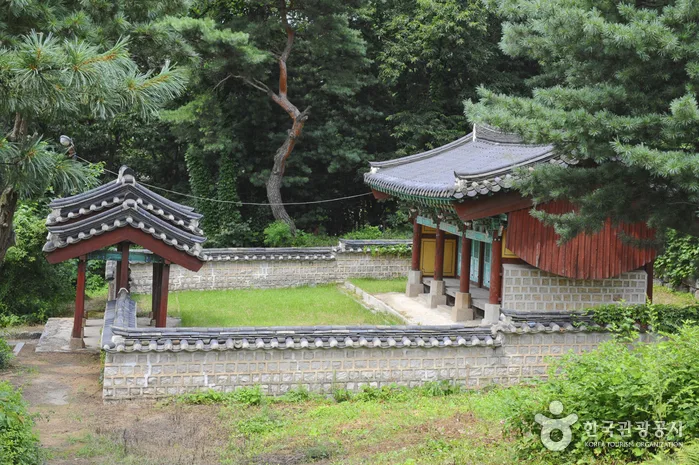
From what I saw, this location is also surrounded by beautiful nature, making it a serene spot for contemplation or a quiet picnic. You might even spot some locals visiting to pay their respects. Honestly, the calm atmosphere here contrasts sharply with busier tourist areas in Korea.
How do you get to Tomb of Hwang Hui (황희정승묘)?
The site is located at 23-83 Jeongseung-ro 88beon-gil, Tanhyeon-myeon, Paju-si, Gyeonggi-do, which is about an hour’s drive from Seoul. If you’re using public transport, take the subway to Paju Station and then hop on a local bus toward Tanhyeon-myeon; it’s a short ride from there.
If you’re driving, parking is available right at the site, which can be a huge relief when visiting popular attractions. Just keep in mind that weekends can get busy due to family visits or local events. Also worth noting: this area doesn’t have extensive signage in English yet, so having some translation app handy could make things easier.
What should you know before visiting?
The Tomb of Hwang Hui is open 24 hours but closed on Mondays and major holidays such as New Year’s Day and Chuseok (Korean Thanksgiving). This means planning your visit during weekdays could offer a quieter experience. There’s also free access to restrooms on-site.
While exploring, it’s essential to respect local customs; dress modestly as this is considered sacred ground. If you’re bringing kids along, they’ll find plenty of open space to roam around — just be mindful of their surroundings as some areas are designated for reflection and respect.
What else is nearby?
Imjingak, which offers historical insights into the Korean War era and has scenic views overlooking the DMZ (Demilitarized Zone). Another worthwhile stop nearby is Paju Book City, where literature lovers can enjoy unique bookstores and cafes designed for reading enthusiasts.