Click to generate audioFirst play may take 10-15 seconds
At a Glance: Wolchulsan National Park offers stunning views, diverse wildlife, and well-maintained trails for an enriching outdoor experience.
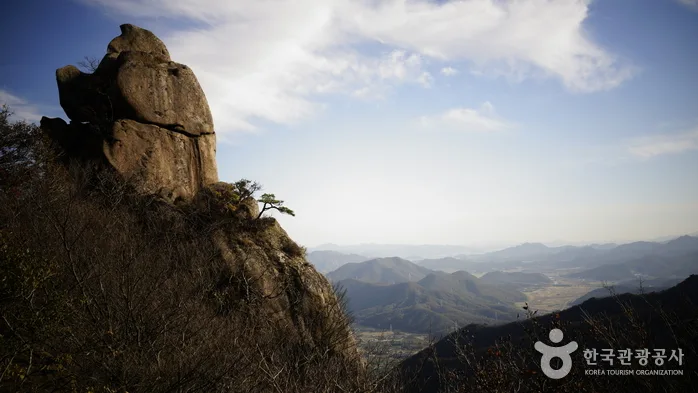
Many travelers overlook Wolchulsan National Park (월출산국립공원) in favor of more famous destinations. However, this park presents a unique combination of natural beauty and accessible hiking trails that make it well worth the visit. The park features the striking Cheonhwangbong Peak, which rises 810.7 meters above sea level and offers panoramic views that are simply memorable.
What makes Wolchulsan National Park worth visiting?
The diverse ecosystems and impressive rock formations set Wolchulsan apart. More than 700 plant species and 800 animal species thrive here, showcasing a rare blend of subtropical and warm-temperate forests. As you hike along the main trail from Cheonhwangsa Temple to the summit, you’ll encounter unique rock formations that appear to take on different shapes depending on your vantage point.
A highlight of the hike is the 120-meter high red suspension bridge, stretching 54 meters across. This bridge not only provides breathtaking views of the mountain but also overlooks picturesque fields and paddies below. Trust me on this one; walking across that bridge is a memorable part of the journey.
How do you get to Wolchulsan National Park?
Reaching Wolchulsan is relatively straightforward by car or public transport. If you’re driving, head towards Yeongam-gun in Jeollanam-do; there’s ample parking available at the entrance for a fee: ₩2,000 (about $1.50 USD) for compact cars.
If you’re relying on public transport, consider taking a bus from Gwangju or Mokpo to Yeongam-eup, then use local transportation or a taxi to reach the park entrance. Keep in mind that night hikes are not allowed from sunset until two hours before sunrise for safety reasons.
What should you know before visiting?
Planning your visit around trail access periods is crucial since parts of the park are closed during specific times of year—specifically from March 2 to April 30 in spring and November 15 to December 15 in fall. This can vary slightly based on weather conditions, so it’s best to check the official website for updates before heading out.
Additionally, restrooms are available within the park, but consider dress appropriately for hiking. Proper footwear is essential given some rocky sections along the trails. One thing that bugged me a little was the lack of clear signage at certain points; having a map or using a hiking app can be very helpful. I found that pretty refreshing.
What else is nearby?
If you’re looking to extend your trip beyond Wolchulsan, consider visiting nearby attractions like Dogapsa Temple (도갑사). This temple features beautiful architecture surrounded by nature and provides additional opportunities for peaceful exploration.
You could also explore local markets in Yeongam-eup for some authentic Korean food experiences after your hike—just remember that tipping isn’t expected here!
[Restriction on night hiking] From sunset to 2 hours before sunrise (time staying in the park)
Closed
[Trail access control period] Spring: March 2 – April 30 Fall: November 15 – December 15 * The control period may be partially adjusted for each park in consideration of weather conditions, etc., so please refer to the notice on the park website when visiting the park.