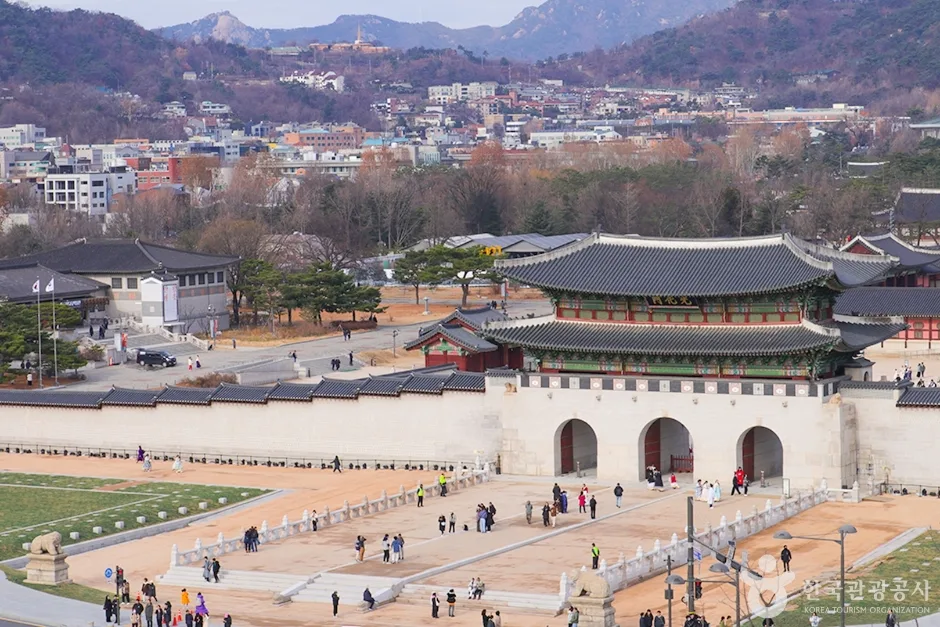
At a Glance: Gwanghwamun Gate (광화문) offers a glimpse into Korea's royal past and is a must-visit for those exploring Seoul's history.
Families visiting Seoul will find Gwanghwamun Gate (광화문) an excellent starting point to explore the city’s cultural background. This iconic gate, the main entrance to Gyeongbokgung Palace, serves as a perfect backdrop for photos while providing insights into Korea’s Joseon dynasty. Its historical significance makes it a suitable stop for travelers of all ages.
What is Gwanghwamun Gate (광화문) exactly?
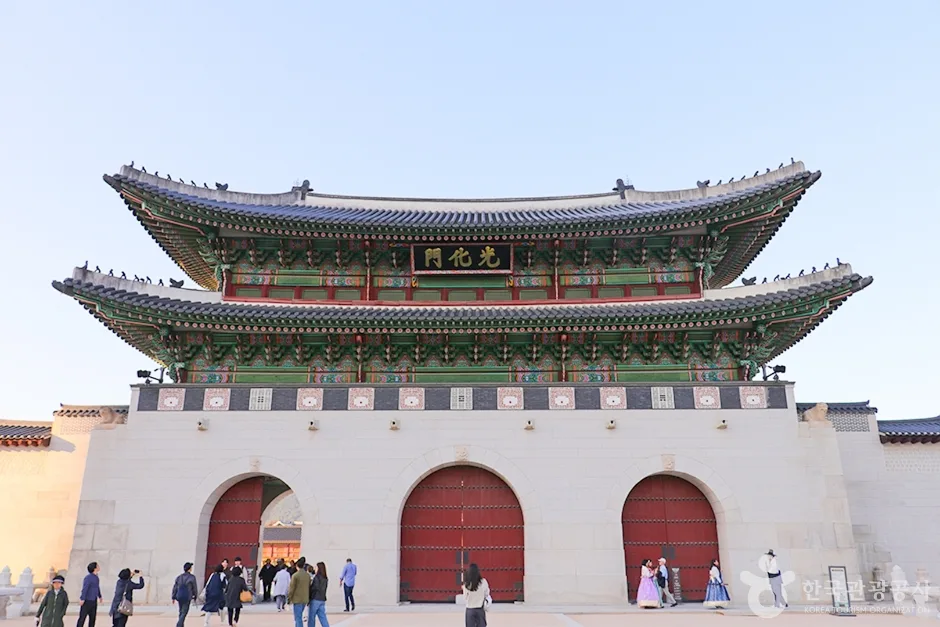
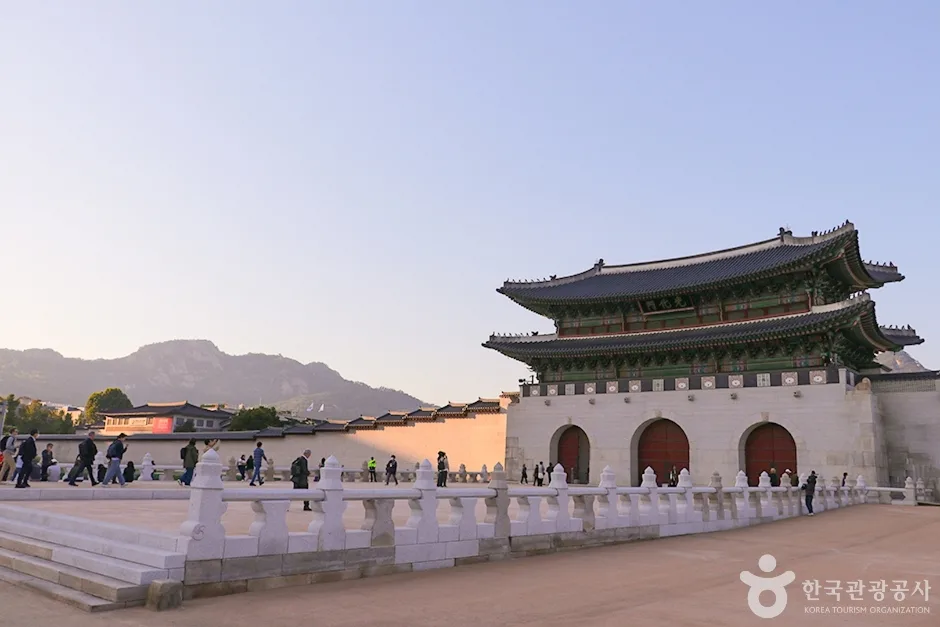
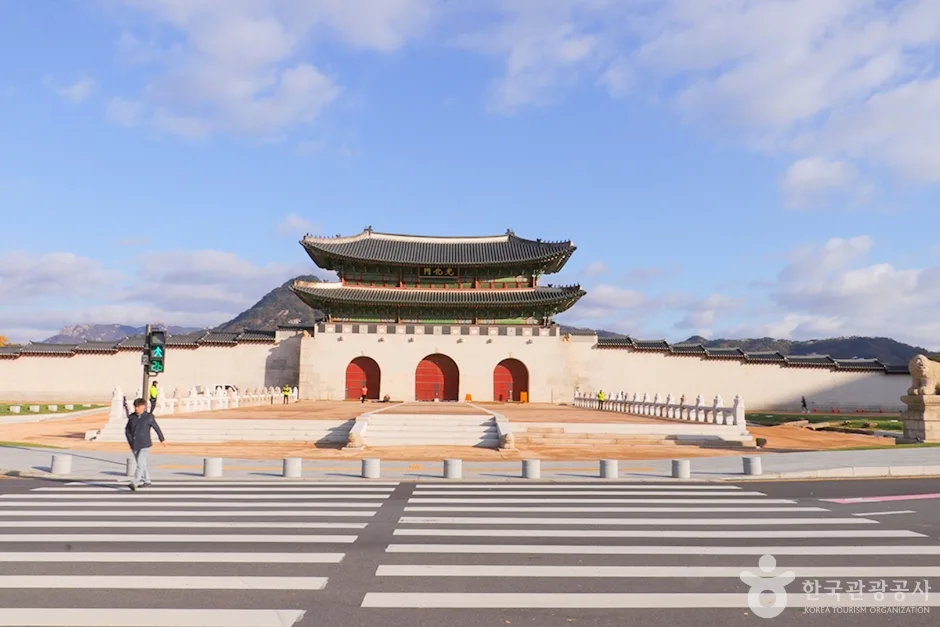
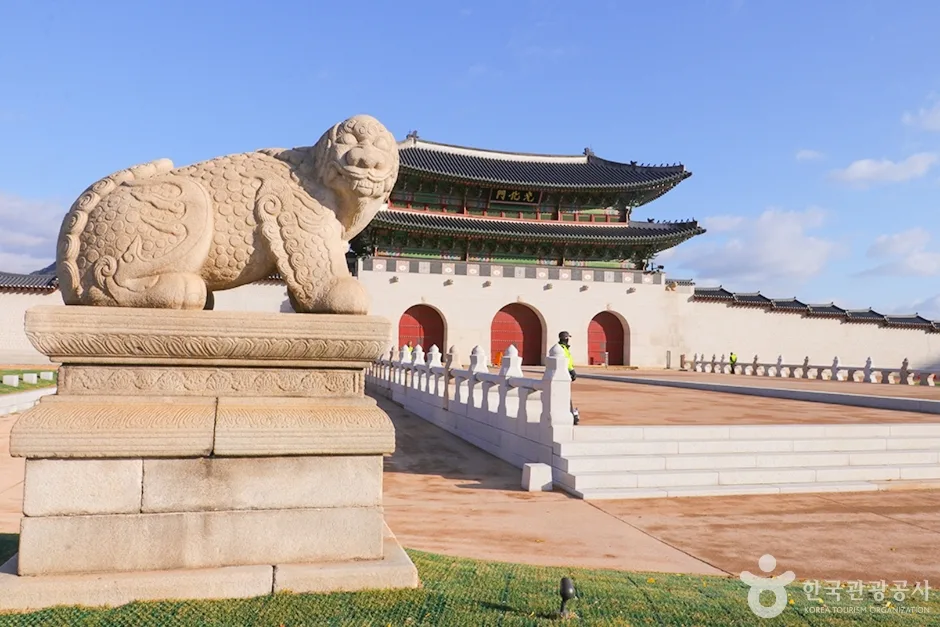
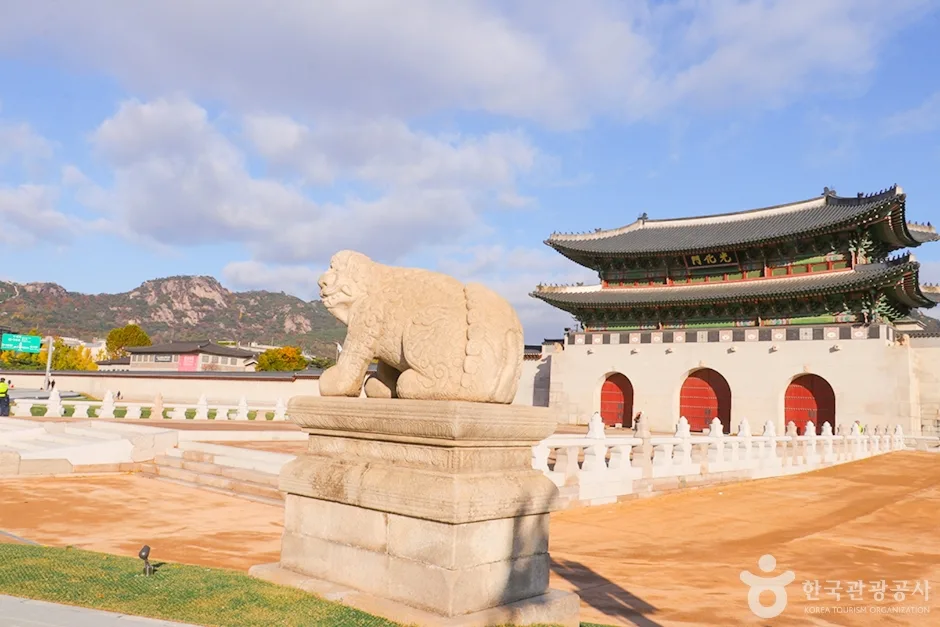
Gwanghwamun Gate was originally built in 1395 during the reign of King Taejo, the first king of the Joseon dynasty. As the southern gate of Gyeongbokgung Palace, it features three arched entrances; the central one was designated for the king, while the side gates were used by officials and the crown prince. The impressive structure is elevated on granite walls that support a wooden gate tower adorned with its name sign.
Here is the thing though — this gate has faced numerous challenges throughout its history, including destruction during wars and various restorations. It underwent significant reconstruction from 2006 to 2010 to restore its original form and materials. Today, visitors can appreciate not just its beauty but also its resilience through time.
Is it worth the trip?
Absolutely. If you’re in Seoul, Gwanghwamun Gate is not only visually striking but also with a long history. It’s centrally located and serves as an excellent gateway to nearby attractions like Gyeongbokgung Palace and The National Folk Museum of Korea.
This might be a personal preference, but the atmosphere around Gwanghwamun can be quite lively, especially during ceremonial guard-changing events held twice daily at 10 AM and 2 PM. Watching these ceremonies adds another layer of experience that showcases traditional Korean culture right before your eyes.
How to plan your visit?
To make your visit smooth, check out these practical details: Gwanghwamun Gate operates from 9:00 AM to 5:00 PM from January to February and November to December; until 6:00 PM from March to May and September to October; and until 6:30 PM during June to August. Keep in mind that last admission is one hour before closing time, so plan accordingly. Note that it’s closed on Tuesdays.
I was not expecting this, but if you have mobility concerns or are traveling with someone who does, rest assured that wheelchair rentals are available on-site. There are restrooms nearby as well, making it convenient for families with young children or elderly members.
What I would do differently next time?
If I’m being honest, I wish I had arrived earlier in the day. Exploring at opening time gives you a chance to enjoy a quieter atmosphere before crowds arrive—especially if you’re interested in photography without many people in your shots. Also, I’d recommend checking out some nearby cafes or street vendors after your visit for a taste of local snacks.
, visiting Gwanghwamun Gate can be both educational and enjoyable if planned wisely. Take your time wandering around this area; there’s much more than just the gate itself waiting for you!
Photo Gallery

Essential Information
| Address | 161 Sajik-ro, Jongno-gu, Seoul |
|---|---|
| Website | gwanghwamun.seoul.go.kr |
| Operating Hours | January-February, November-December: 09:00-17:00 March-May, September-October: 09:00-18:00 June-August: 09:00-18:30 *Last admission one hour before closing |
| Closed | Tuesdays |
| Inquiries | +82-2-3700-3900 |
| Map | View on Google Maps |
Additional Details
Available
* Wheelchair rentals available
Frequently Asked Questions
What are the operating hours for Gwanghwamun Gate?
Gwanghwamun Gate operates from 9:00 AM to 5:00 PM January-February and November-December; until 6:00 PM March-May and September-October; until 6:30 PM June-August.
Are there facilities available at Gwanghwamun Gate?
Yes, there are restrooms available on-site along with wheelchair rentals for those who need them.
How do I get there using public transport?
The closest subway station is Gyeongbokgung Station (Line 3). Exit through Exit 5, which leads directly toward the gate.
Useful Korean Phrases
Tap to expand
Nearby Recommendations
Explore more places within 5km of this location
Nearby Restaurants
- Gwanghwamun Hanokjip (광화문한옥집)443m7, Saemunanro5ga-gil, Jongro-gu, Seoul
- Modern Shabu House Gwanghwamun D Tower Branch (모던샤브하우스 광화문D타워점)589m17 Jong-ro 3-gil, Jongno-gu, Seoul
- Pyunkang Yul Flagship & Tea house (편강 율 플래그십&티하우스)684m35-4 Bukchon-ro 5ga-gil, Jongno-gu, Seoul
Nearby Accommodation
- STAY dayoff (스테이 데이 오프)520m6 , Jahamun-ro 1da-gil, Jongno-gu, Seoul
- Seoul Hanok Stay (JNP Stay) (서울한옥스테이(jnpstay))534m7-28 , Jahamun-ro 1na-gil, Jongno-gu, Seoul
- Hanok Guesthouse Dongchonchae (한옥 게스트하우스 동촌재)767m21-10 , Jahamun-ro 11-gil, Jongno-gu, Seoul
Nearby Attractions
- Sejong-ro Park (세종로공원)295mjiha 189, Sejong-daero, Jongno-gu, Seoul
- Statue of Admiral Yi Sun-Shin (충무공 이순신 동상)398m175, Sejong-daero, Jongno-gu, Seoul
- Seochon Village (서촌마을)410m45 Pirundae-ro, Jongno-gu, Seoul (Nuha-dong)