Click to generate audioFirst play may take 10-15 seconds
At a Glance: Jagyuru Pavilion and Gwanpungheon Hall offer a glimpse into Korea's past and a peaceful retreat in Yeongwol-gun.
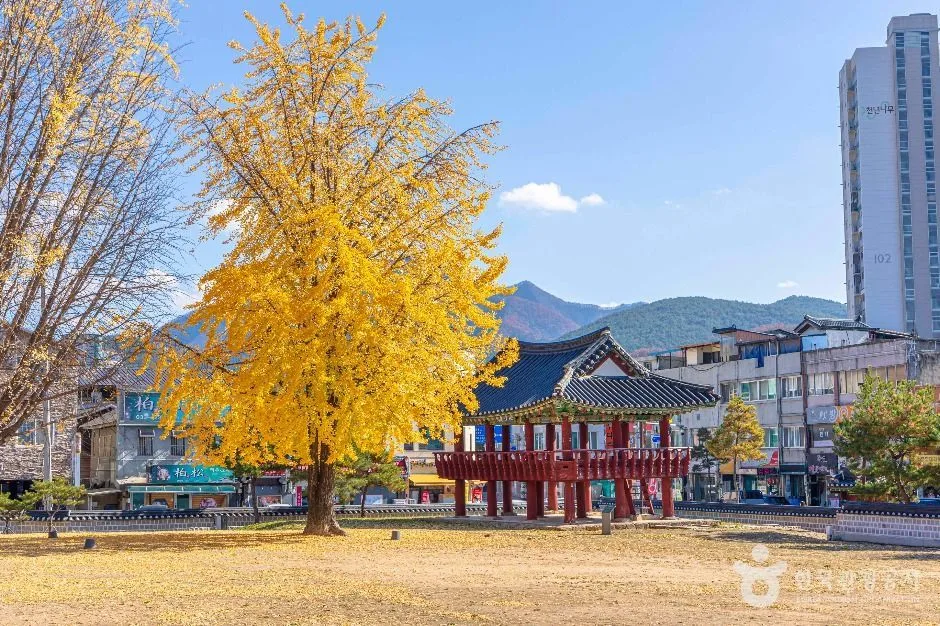
Jagyuru Pavilion (자규루) and Gwanpungheon Hall (관풍헌) are located in Yeongwol-gun, Gangwon-do, providing visitors with a unique combination of history and tranquility. Before visiting, know that the site is open 24 hours a day, allowing for flexible exploration at your convenience.
What makes Jagyuru Pavilion and Gwanpungheon Hall (자규루 및 관풍헌) worth visiting?
This location is steeped in historical significance. Gwanpungheon Hall was originally used as a magistrate’s office during the Joseon Dynasty, serving to manage local affairs. The hall features a traditional 3×3 kan structure, which showcases classic Korean architecture.
Just a short walk of about 50 meters from the hall is Jagyuru Pavilion. This pavilion is where King Danjong (r. 1452–1455) spent time during his exile after losing the throne to King Sejo (r. 1455–1468). It’s interesting to note that Danjong would often write poetry here, expressing his sorrow through jagyu poetry, which draws its name from the mournful calls of the jagyu bird.
How do you get to Jagyuru Pavilion and Gwanpungheon Hall (자규루 및 관풍헌)?
Getting to this cultural site is fairly straightforward. If you’re driving, the pavilion and hall are located at 61 Jungang-ro in Yeongwol-eup, with free parking available on-site. For public transport options, buses frequently run from nearby cities to Yeongwol-gun.
If you plan on using public transport, consider checking local bus schedules beforehand. They can be sporadic, especially outside peak tourist seasons. Personally, I find it easier to drive if you have access to a vehicle. And honestly, that makes a big difference.
What should you know before visiting?
Visitors should keep in mind that while there’s no entry fee or specific opening times—since it’s open all day—it’s still best to visit during daylight hours for optimal visibility of the structures and surrounding landscape.
As for etiquette, be respectful while exploring these historic sites. Maintaining a quiet demeanor enhances the peaceful atmosphere that many seek here. And remember, it’s common courtesy in Korea not to tip at restaurants or cafes—water is usually served for free. Would you agree?
What else is nearby?
The area surrounding Jagyuru Pavilion and Gwanpungheon Hall offers additional attractions worth exploring. Not far away is Bodeoksa Temple, an active temple of the Jogye Order of Korean Buddhism where visitors can learn more about Korean Buddhist practices.
Another nearby attraction is the picturesque river that runs through Yeongwol-gun. Taking a stroll along the riverbank can provide a nice contrast to your historical explorations.