Click to generate audioFirst play may take 10-15 seconds
At a Glance: Donggok Museum of Art in Gwangju offers free admission to a unique space combining art exhibitions and educational experiences.
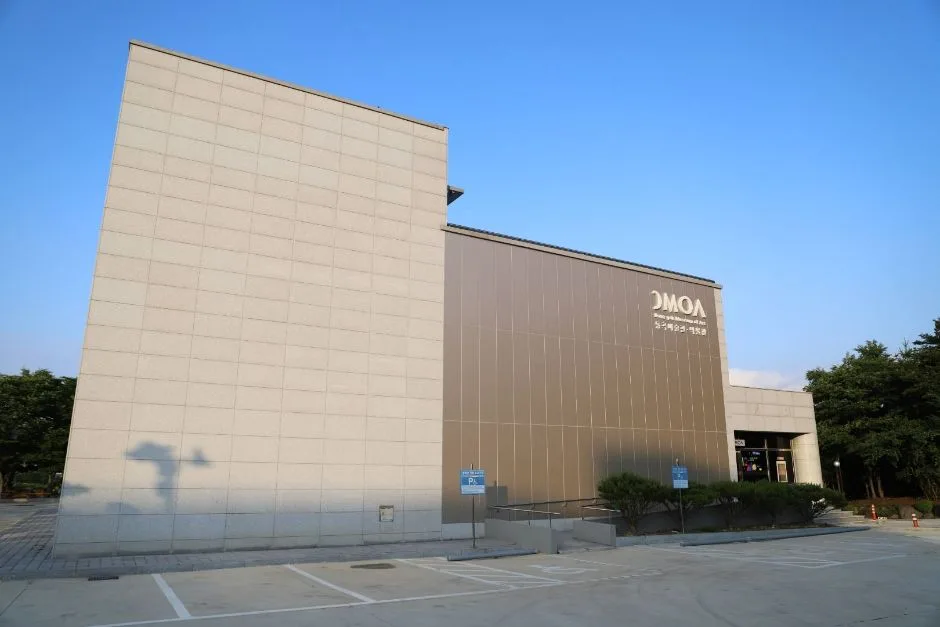
Arriving at the Donggok Museum of Art (동곡미술관), you’re greeted by the tranquil ambiance of a modern two-story building. The sight of carefully curated exhibitions and the soft murmur of art enthusiasts sets a reflective tone. This is not just a space for viewing art; it’s about engaging with it.
What makes Donggok Museum of Art (동곡미술관) culturally significant?
Opened in December 2020, this museum was established to foster creativity and artistic engagement within the community. It focuses on contemporary art while providing a platform for both emerging and established artists. The museum aims to inspire visitors through diverse programs, including educational initiatives and artist talks.
The collection’s emphasis on local talent showcases Gwangju’s rich cultural landscape. In my experience, museums that highlight local artists create a deeper connection to the area and its heritage. Curious what you think about that.
What are the main exhibitions or features?
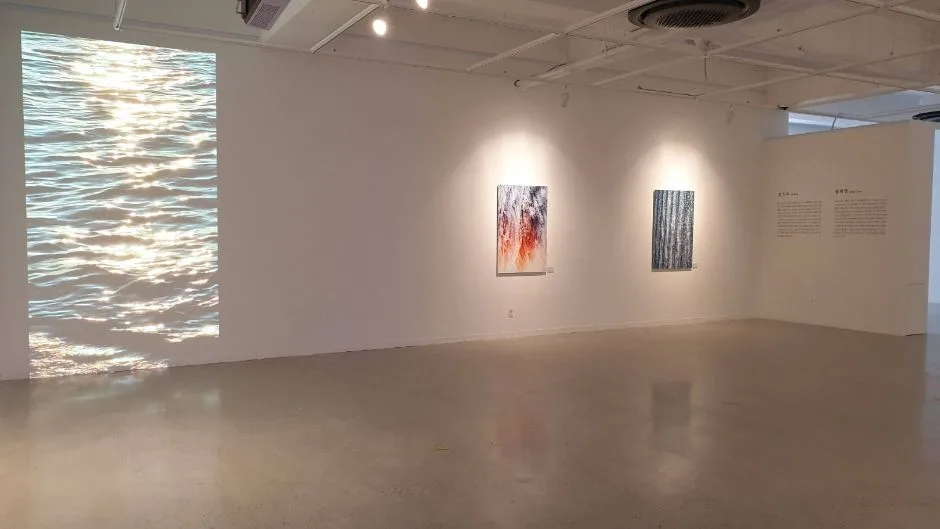
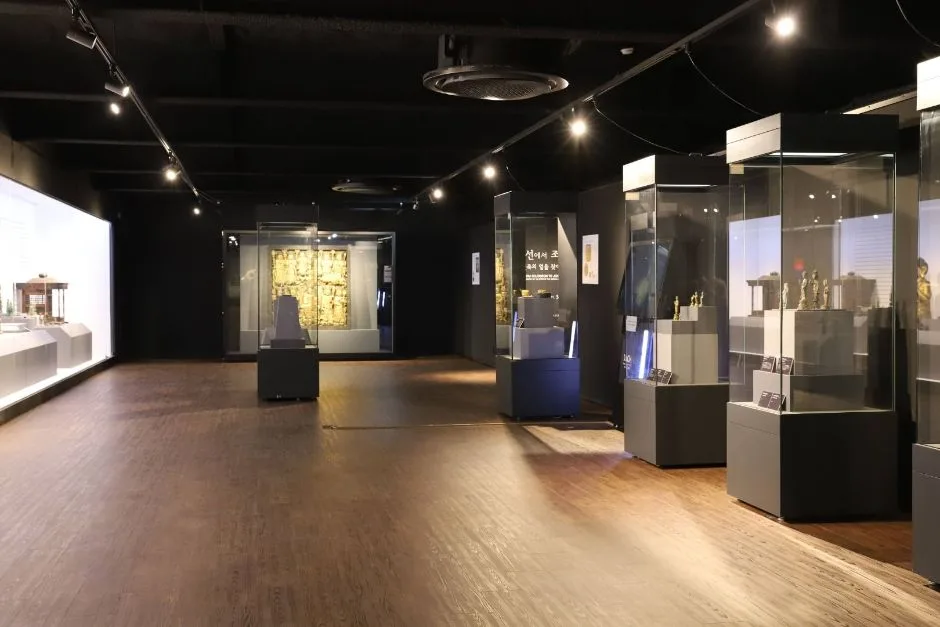
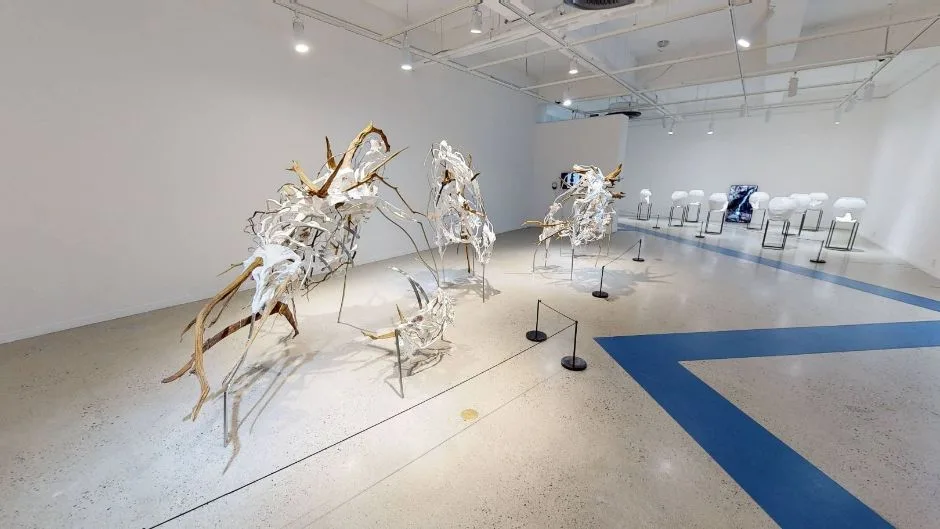
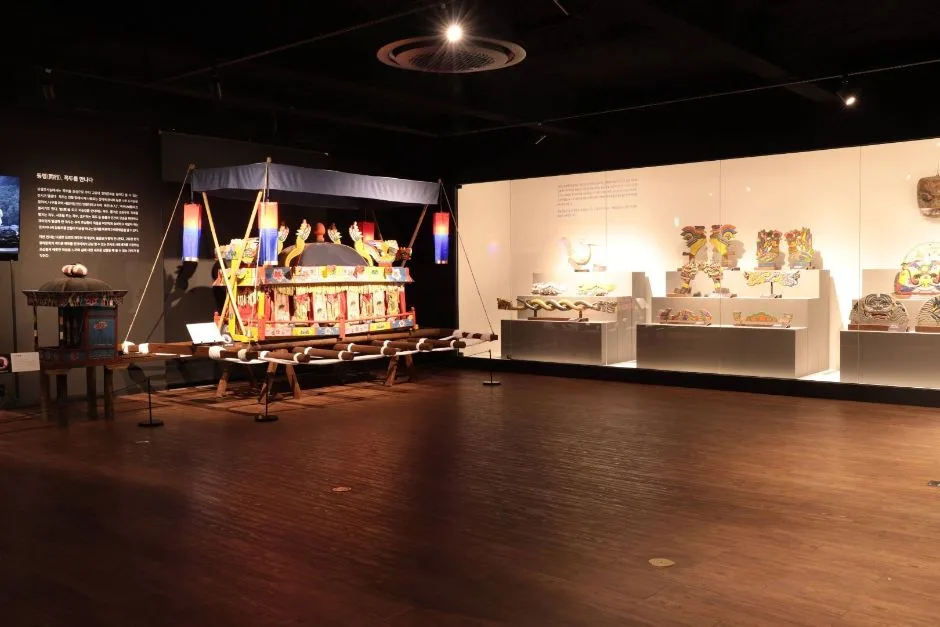
The Donggok Museum of Art offers various exhibitions throughout the year. While specific shows may change regularly, you can typically expect contemporary works that provoke thought and discussion. The museum also features a sculpture park where visitors can walk among larger-than-life installations, creating an immersive experience.
Additionally, there are educational rooms designed for workshops and talks, making this museum not just a place to observe but also to learn. Admission is free, which is a significant draw for families looking for budget-friendly outings. Just keep in mind that temporary closures may occur during exhibition preparations, so it’s good to check ahead.
Is Donggok Museum of Art (동곡미술관) suitable for all ages?
This museum is indeed family-friendly. The spacious layout allows children to explore without feeling cramped. The sculpture park is particularly appealing for kids, as they can engage with art in a hands-on way.
If I’m being honest, the lack of dedicated children’s programming might be a slight downside if you’re looking specifically for activities tailored to younger audiences. Still, the open spaces and educational opportunities provide plenty of chances for family interaction and creativity.
What practical tips should you know?
Plan your visit between 10:00 AM and 6:00 PM, as these are the official operating hours. Be mindful that last admission is at 5:30 PM. The museum is closed on Mondays, January 1, and during major holidays like Seollal (Lunar New Year) and Chuseok (Korean Thanksgiving Day).
Parking is available on-site if you’re driving. For public transport options, checking local bus routes can help plan your visit more smoothly. And remember, tipping isn’t expected in Korean restaurants nearby if you decide to grab a meal after your visit; water will usually be served free of charge.
10:00-18:00 (Last admission 30 min before closing)
Closed
Mondays, January 1, on the day of Seollal (Lunar New Year’s Day) & Chuseok (Korean Thanksgiving Day) * Separate announcement will be posted for temporary closing during new exhibition preparation period