Click to generate audioFirst play may take 10-15 seconds
At a Glance: Sejong National Arboretum offers a tranquil escape with diverse plant life and educational facilities in South Korea's Sejong City.
Before visiting Sejong National Arboretum (국립세종수목원), note that it’s closed on Mondays and public holidays, so plan accordingly. This urban arboretum is designed to showcase various plant species through different themed gardens. It’s a peaceful spot good for nature lovers or anyone looking to escape the urban hustle.
What was my first impression of Sejong National Arboretum?
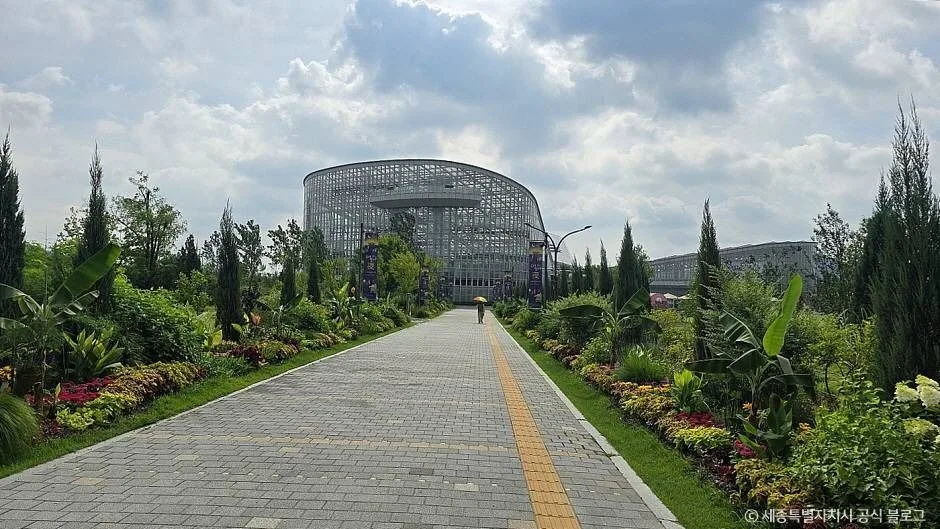
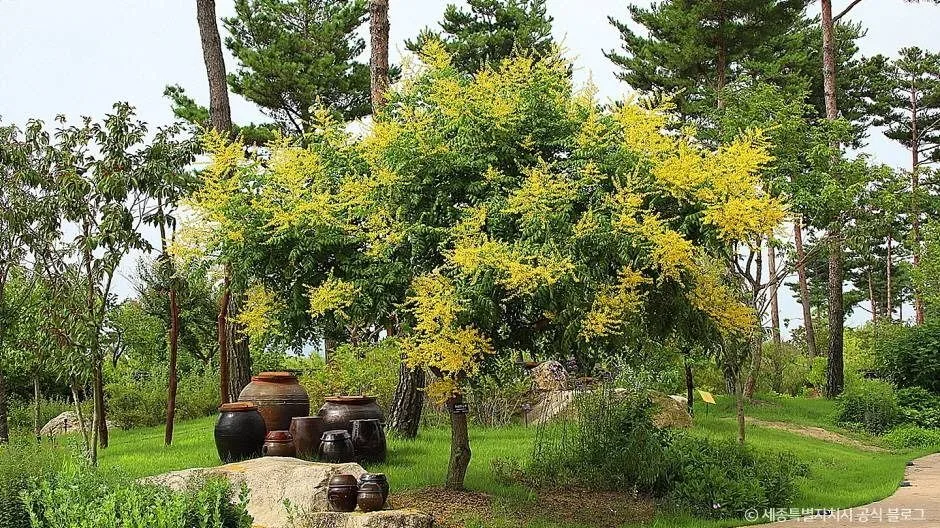
The moment I entered Sejong National Arboretum, I was struck by the sheer variety of flora. The layout felt intentional, with each area reflecting a unique theme and purpose. It’s well-maintained and has a calm atmosphere that encourages visitors to linger.
What parts of Sejong National Arboretum stood out?
The arboretum is divided into three main sections: the community program center, the educational center, and the garden exhibition center. Each section has its own charm. For instance, the educational center features displays about local plant species and conservation efforts that I found enlightening.
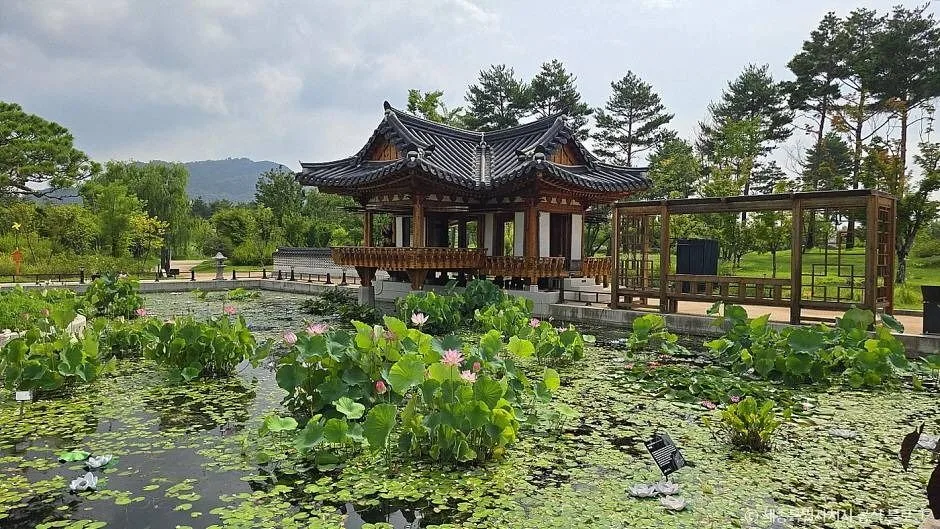
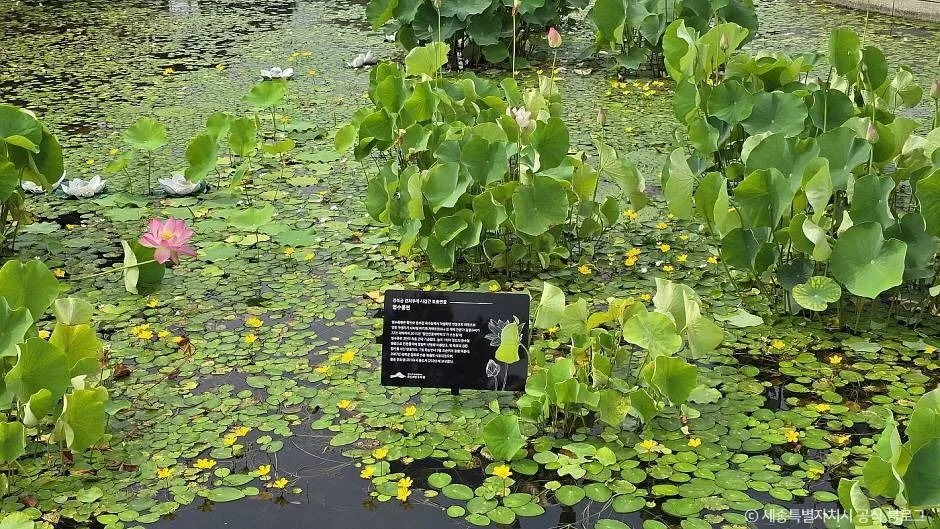
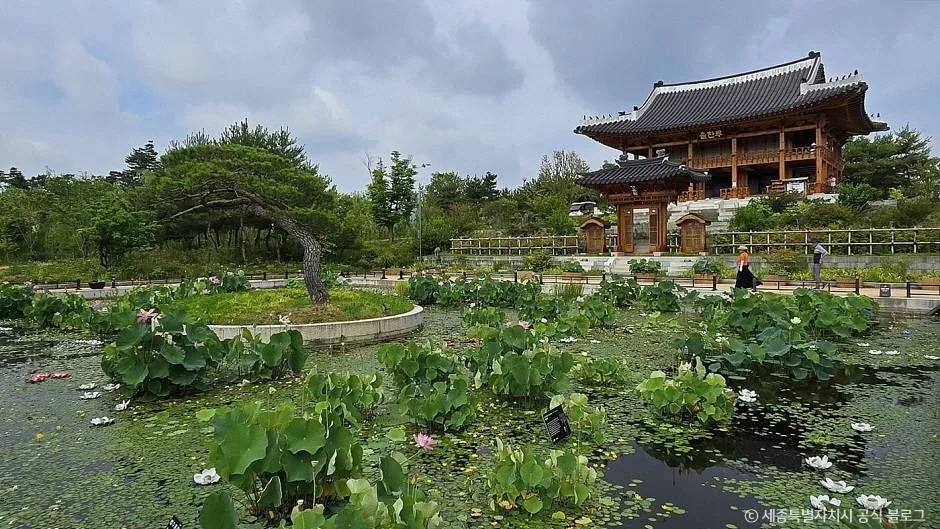
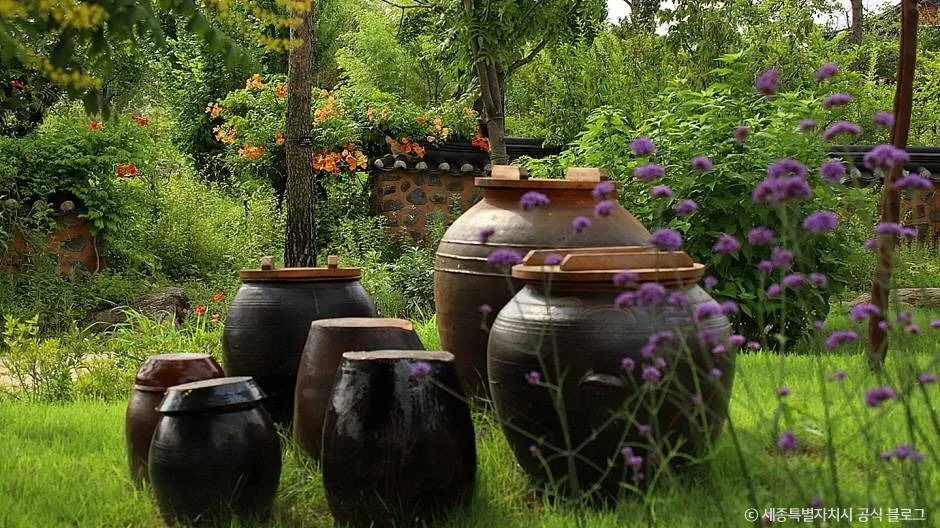
The themed gardens really caught my attention too. From medicinal plants to ornamental varieties, visitors of different interests will find options here. If you enjoy gardening or botany, this place will provide you with fresh ideas for your own space. Have you experienced something similar?
How do you get to Sejong National Arboretum?
Reaching the arboretum is straightforward if you’re coming from central locations in South Korea. It’s located at 136 Sumogwon-ro in Sejong-si, which is well connected via public transport. The nearest bus stop is just a short walk away, making it convenient for travelers.
If you’re driving, there’s parking available on-site — always a plus when visiting places like this where you might want to spend several hours exploring. Honestly, using a car gives you more flexibility to explore nearby attractions afterward.
A few things to keep in mind
Admission fees are reasonable: adults pay ₩5,000 (about $4 USD), teenagers ₩4,000 (about $3 USD), and children ₩3,000 (about $2 USD). Groups of 20 or more can enjoy discounted rates as well; this might be worth considering if you’re traveling with family or friends.
Operating hours vary seasonally — from March to October it’s open from 09:00-18:00 and from November to February until 17:00. Just remember that last admission is an hour before closing time. There are also facilities like cafes and restaurants on-site where you can grab a bite after your exploration. I noticed most guides skip this detail.
One thing that bugged me a little was the limited English signage throughout some sections; it could be improved for international visitors wanting deeper insights into what they’re seeing.
Closed on Mondays, January 1, and on the day of Seollal (Lunar New Year’s Day) and Chuseok (Korean Thanksgiving Day)* Closed the next day if Monday is a public holiday