Click to generate audioFirst play may take 10-15 seconds
At a Glance: Discover unique forest therapy and educational experiences at the National Center for Forest Activities, Jangseong, surrounded by nature.
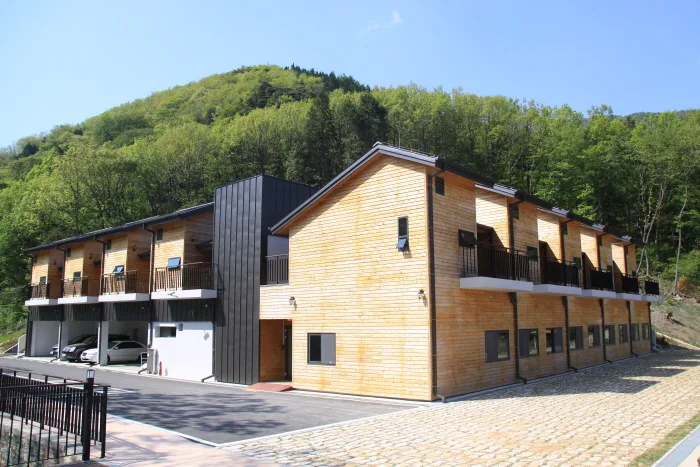
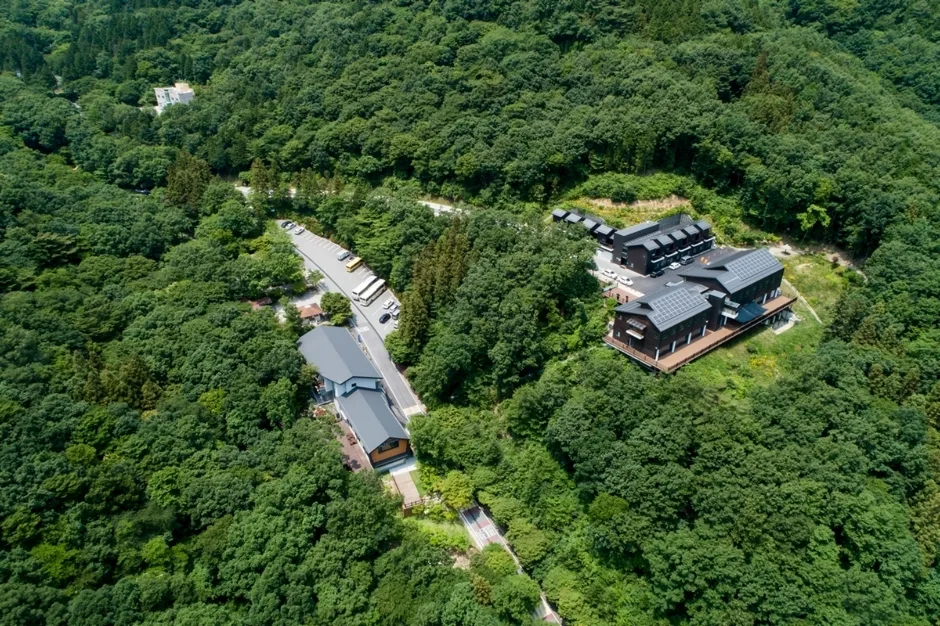
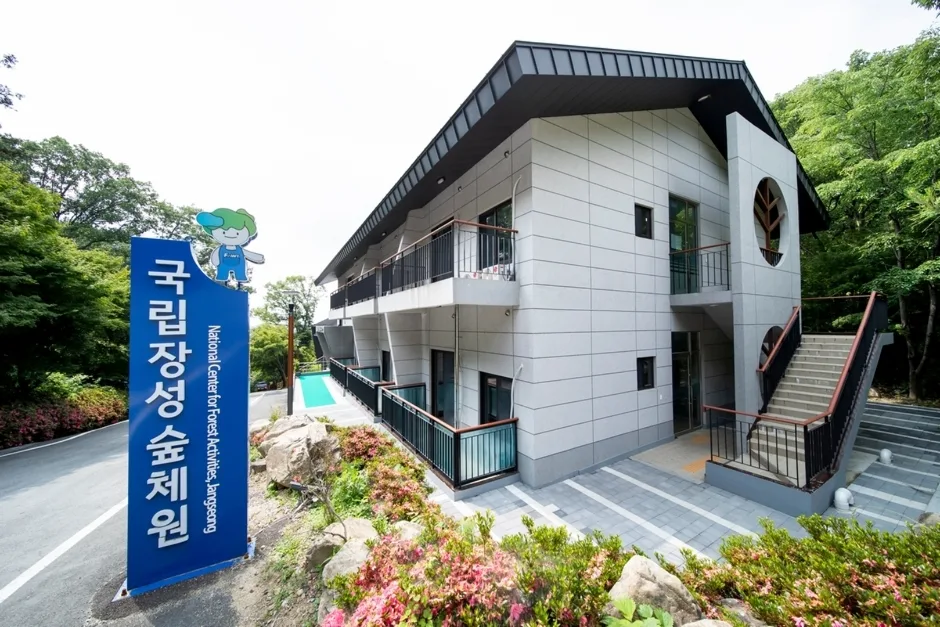
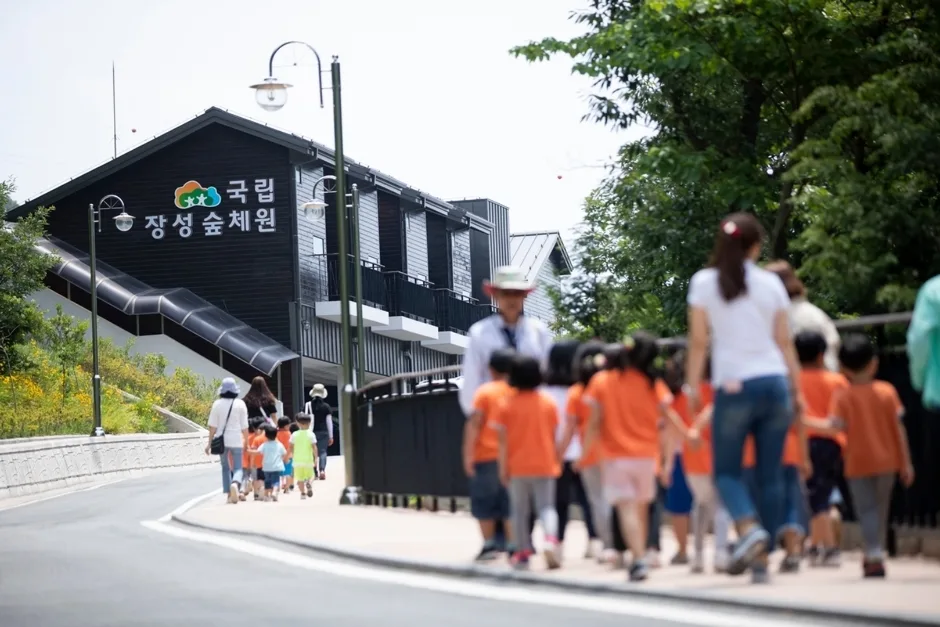
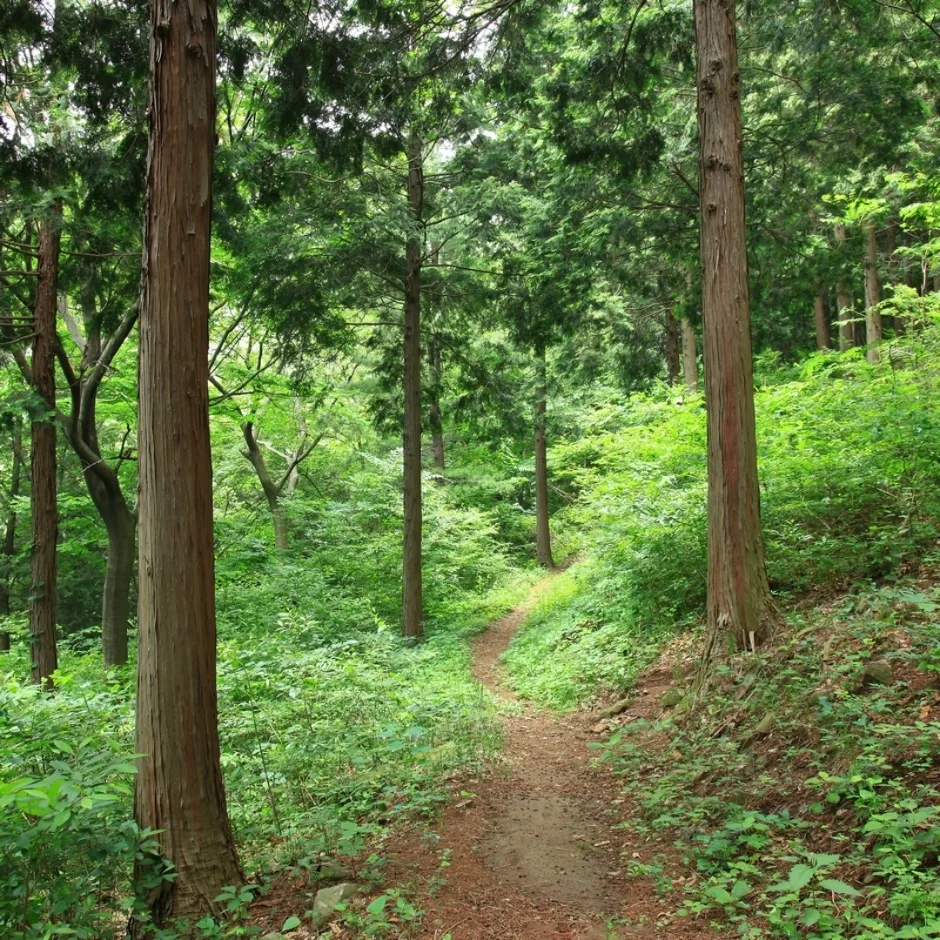
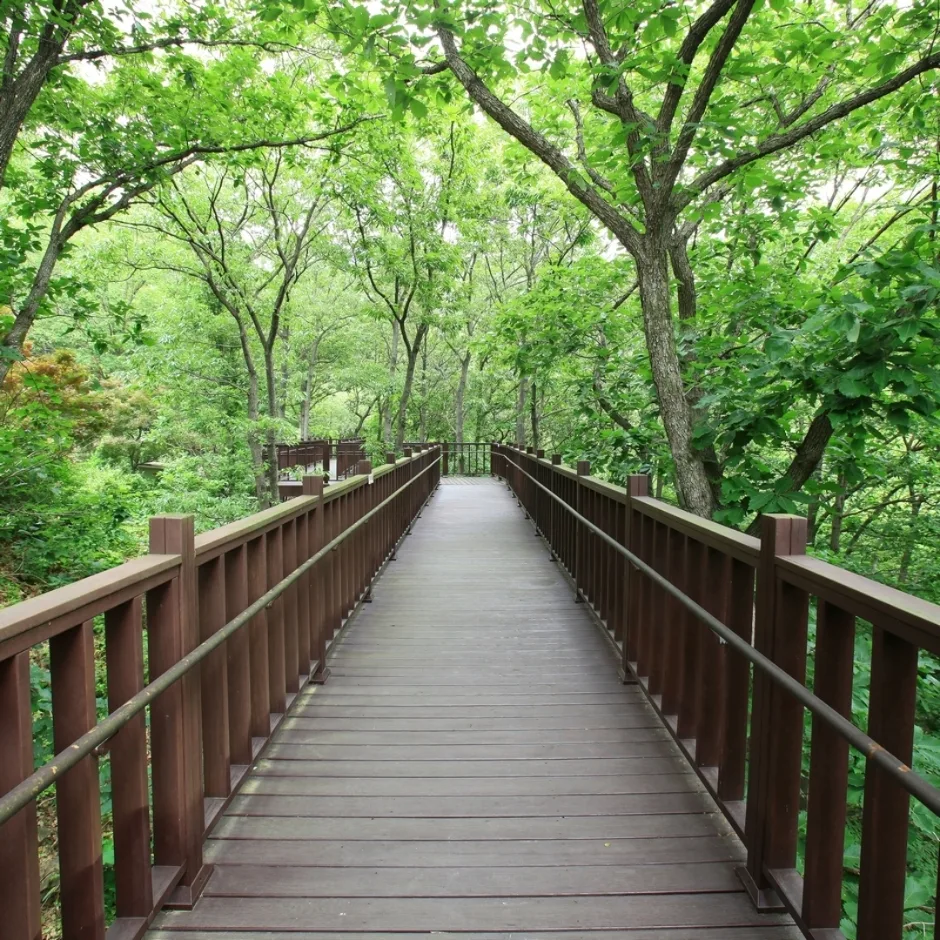
The first thing you’ll notice upon arriving at the National Center for Forest Activities, Jangseong (국립장성숲체원) is the crisp scent of pine trees mingling with the earthy aroma of damp soil. It’s a serene setting, with lush greenery and the distant sound of birds chirping. Located in Jangseong-gun, Jeollanam-do, this center offers a deep dive into Korea’s rich natural environment through various forest education and therapy programs.
What makes National Center for Forest Activities, Jangseong (국립장성숲체원) worth visiting?
This center stands out not only for its focus on educational programs but also for its location near Bangjangsan Mountain and Chungnyeongsan Mountain. The area is home to the largest subtropical forest plantation in South Korea—National Jangseong Healing Forest. These mountains provide an ideal backdrop for a range of outdoor activities and learning experiences about forest ecosystems.
To be fair, participants can engage in hands-on workshops that connect them with nature while discovering sustainable practices that benefit both personal well-being and environmental health. Honestly, I was surprised by how effective some simple breathing exercises amidst these trees felt; it’s worth trying if you’re looking to de-stress.
How do you get to National Center for Forest Activities, Jangseong (국립장성숲체원)?
The center is accessible by car from Gwangju city or other nearby regions. If you’re driving, take route 1 and then follow signs toward Bugi-myeon. Parking is available on-site, making it convenient for visitors.
If public transport is more your style, buses are available from major cities like Gwangju to Jangseong. However, be prepared for a bit of walking once you arrive at the bus station as there aren’t many direct connections right to the entrance. Something to consider when planning your trip.
What should you know before visiting?
Operating hours are structured around your stay; check-in begins at 15:00 and check-out is by 11:00. This allows ample time to experience the various activities available each day. If you’re planning to spend more than just a day here, booking accommodations in advance might be wise as availability can fluctuate depending on the season.
One thing that bugged me a little was the lack of clear signage around some trails within the center—so downloading a map beforehand or asking staff for directions can save time. As with many nature-centric venues in Korea, remember that tipping isn’t expected here; instead, simply enjoy free water that’s provided!
What else is nearby?
If you’re up for more outdoor activities after your visit to the center or temple, check out local hiking trails or even plan a picnic along one of the riverbanks nearby—a great way to unwind while soaking up more of Korea’s natural beauty.
Photo Gallery
국립장성숲체원_28국립장성숲체원 (1)_전경국립장성숲체원 (2)국립장성숲체원 (3)국립장성숲체원 (4)_방장산 편백향 가득한길국립장성숲체원 (5)_방장산 햇살좋은 길