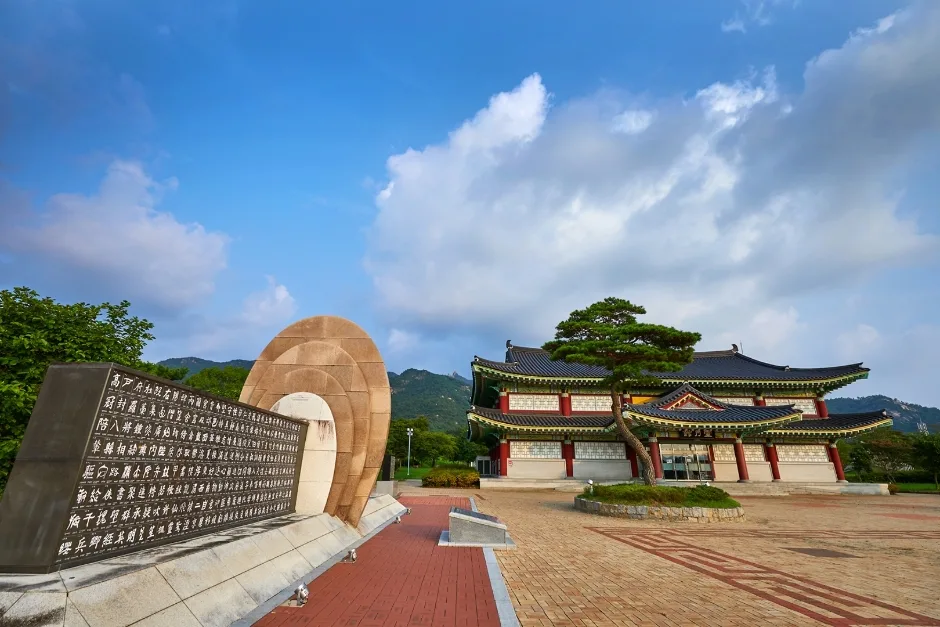
At a Glance: Explore the Historical Site of Wangin (왕인박사 유적지) to learn about Korea's early cultural exchanges with Japan.
The Historical Site of Wangin (왕인박사 유적지) is a fascinating testament to the early cultural interactions between Korea and Japan. Located at the foot of Munpilbong Peak in Yeongam-gun, Jeollanam-do, it commemorates Wangin, a renowned scholar who played a pivotal role in shaping Japanese culture. His contributions during the Baekje dynasty are significant, and visiting this site offers deep insights into his life and legacy.
- •What will you find at the Historical Site of Wangin (왕인박사 유적지)?
- •When is the best time to visit the Historical Site of Wangin (왕인박사 유적지)?
- •How can you reach the Historical Site of Wangin (왕인박사 유적지) by public transit?
- •Any tips for first-time visitors?
- •Photo Gallery
- •Essential Information
- •Frequently Asked Questions
What will you find at the Historical Site of Wangin (왕인박사 유적지)?
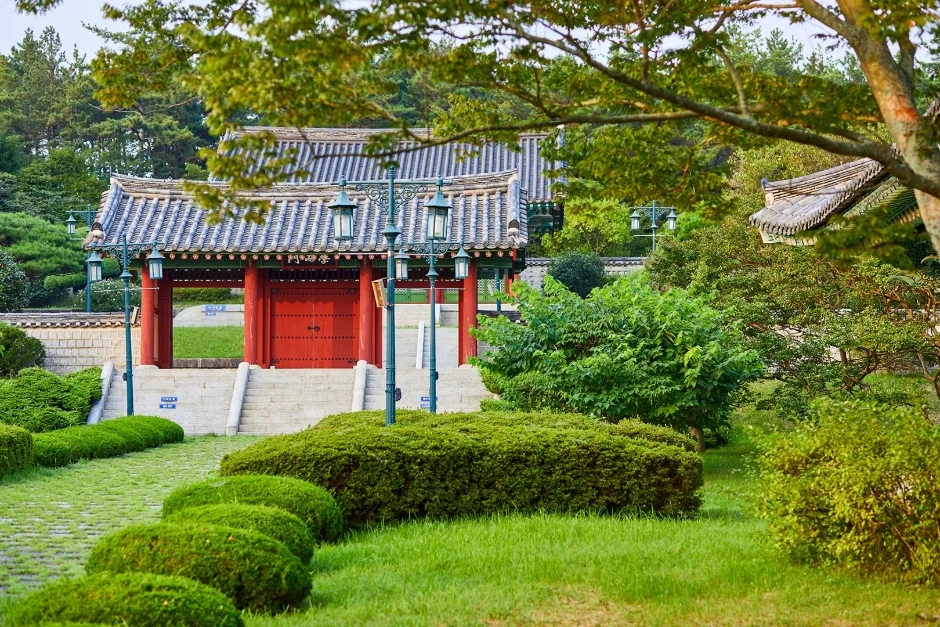
This historical site features several key elements that shed light on Wangin’s life. The Yuheobi memorial monument marks his birthplace, where he is believed to have spent his formative years. Nearby, Seongcheon well is said to be where he drank water as a child.
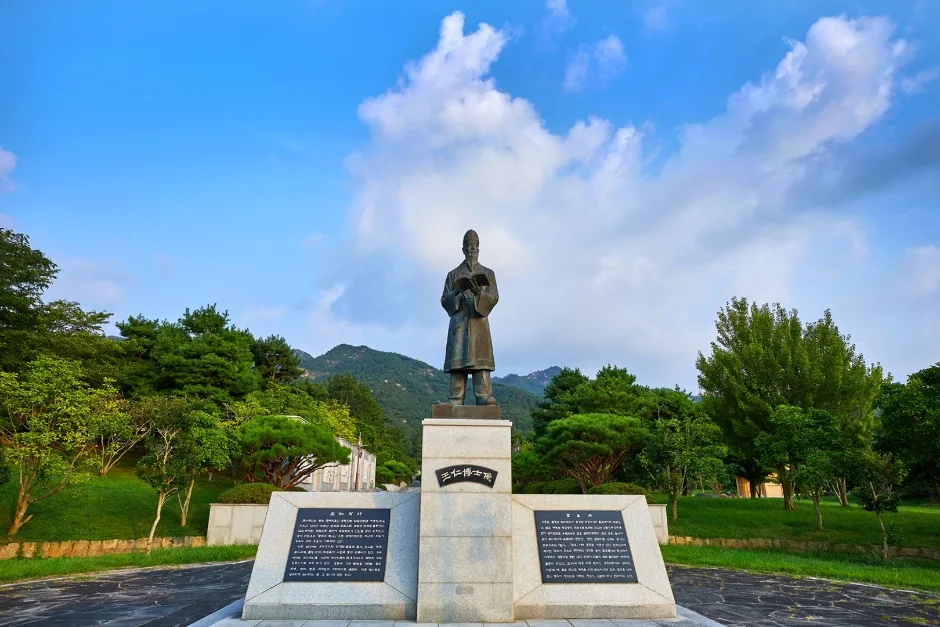
You can also see Chaekgul, Munsanjae, and Yangsajae along Wolchulsan Mountain, locations where Wangin supposedly educated local students. The site has undergone improvements since its initial reconstruction between 1985 and 1987, enhancing accessibility for visitors. I found the statue of Wangin particularly striking; it represents his compassionate character.
When is the best time to visit the Historical Site of Wangin (왕인박사 유적지)?
The site operates from 9:00 AM to 6:00 PM during summer and until 5:00 PM in winter. Visiting in spring or autumn offers pleasant weather for exploring the outdoors. I went in late autumn when colorful foliage made for stunning views.
Since entrance fees are relatively low—₩1,000 (about $0.74 USD) for adults—it’s an affordable outing. Additionally, free admission is available for preschoolers and senior citizens aged 65 or older. You might feel differently though.
How can you reach the Historical Site of Wangin (왕인박사 유적지) by public transit?
Getting to this historic location requires some planning as there isn’t a direct subway line nearby. If you’re coming from Gwangju or Mokpo, consider taking an intercity bus to Yeongam-gun and then use local transportation options like taxis or rental bikes from there.
If driving is more your style, there’s ample parking available—about 150 spaces—though keep in mind that parking fees vary based on vehicle size. For small vehicles, expect to pay ₩1,500 (about $1 USD), which makes it convenient if you’re traveling with family or friends.
Any tips for first-time visitors?
Before heading out to visit the Historical Site of Wangin, consider have comfortable walking shoes since some parts require a bit of hiking uphill. The site also features restrooms for convenience.
If I’m being honest though, while learning about Wangin’s influence on Japanese culture was enlightening, some aspects felt underexplained—such as specific details regarding his teachings in Japan. Don’t hesitate to ask staff about any questions; they are typically eager to share knowledge!
Photo Gallery
Essential Information
| Address | 440 Wangin-ro, Yeongam-gun, Jeollanam-do |
|---|---|
| Website | www.yeongam.go.kr |
| Operating Hours | Summer 09:00-18:00 / Winter 09:00-17:00 |
| Parking | Available (150 parking spaces) |
| Inquiries | +82-61-470-6643 |
| Map | View on Google Maps |
Additional Details
Large vehicles 2,500 won / Mid-sized vehicles (more than 9 passengers) 2,000 won / Small vehicles 1,500 won
Adults (ages 19-64) 1,000 won / Teenagers (ages 13-18) 800 won / Children (ages 7-12) 500 won
* Free admission: Preschoolers (ages 6 or younger) & Senior citizens (ages 65 & older)
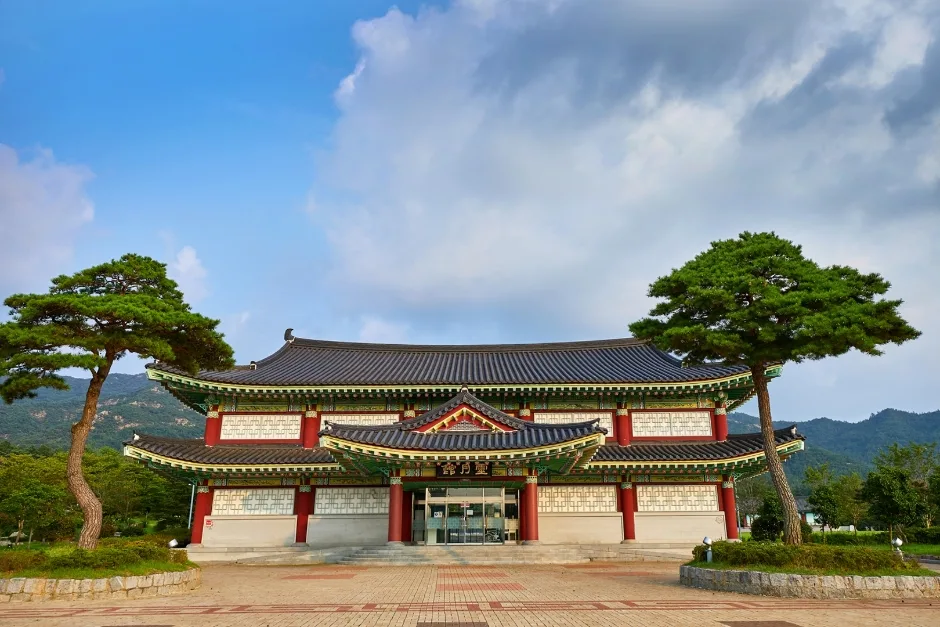
* Yeongwolgwan – Information on Waningin’s achievements and contributions to the Baekje dynasty on display. Second floor houses video room and exhibition hall.
* Statue of Wangin
* Reliefs depicting life of Wangin – A total of six artworks chronicling the life of the great scholar.
* Bongseondae –A variety of events and festivals held at the historic site of Wangin.
* Sinseon Taegeuk Garden & the Tombstone of Wangin – Replica of Wangin’s burial site in Hirakata, Japan. (In celebration of the 10th anniversary of the Wangin Culture Festival, Sinseon Taegeuk Garden was decorated with blue and yellow dragons. The two dragons symbolize co-existence of Korea and Japan.)
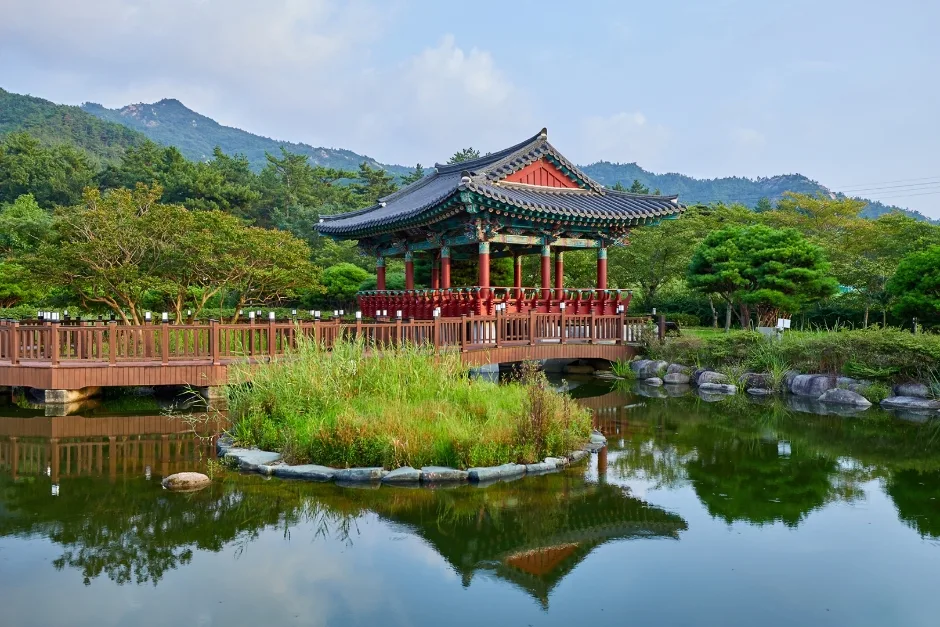
* Wolak-ru Pavilion and Rampart
* Wangin Suiseki Exhibition Hall – More than 700 suiseki contributed by Park Chan-dae of Yeongam are on display.
* Mangujeong Pavilion – Rest area.
* Aehyang Suseok Hall – Visitors can relax and take a break here within the historic site.
* The Statue of Choe Ji-mong, a meritorious retainer of the Goryo Dynasty, Hongsalmun Gate, Jemyeongdang, Baekjemun Gate
* Other Facilities – Store, Viewing Deck, Wangin Park
Available
Frequently Asked Questions
What are the operating hours for the Historical Site of Wangin?
The site operates from 9:00 AM to 6:00 PM during summer months and until 5:00 PM during winter.
Is there an entrance fee?
Yes, admission costs ₩1,000 (about $0.74 USD) for adults aged 19-64; teenagers pay ₩800 (about $0.59 USD), while children pay ₩500 (about $0.37 USD).
Are there facilities available at the site?
Yes! Facilities include restrooms and Yeongwolgwan which houses information about Wangin’s achievements and contributions.
Useful Korean Phrases
Tap to expand
Nearby Recommendations
Explore more places within 5km of this location
Nearby Restaurants
- No results found within 5km
Nearby Accommodation
- No results found within 5km
Nearby Attractions
- Dogapsa Temple (도갑사)2.8km306, Dogapsa-ro, Yeongam-gun, Jeonnam-Gwangju Special Metropolitan City