Click to generate audioFirst play may take 10-15 seconds
At a Glance: Explore the rich traditions of Donamseowon Confucian Academy, a UNESCO World Heritage Site in South Korea.
Donamseowon Confucian Academy (돈암서원) is not ideal for those seeking fast-paced attractions or modern entertainment. Instead, it’s good for travelers interested in history, culture, and education. This serene site offers a glimpse into Korea’s Confucian past and the values that shaped its society.
What makes Donamseowon Confucian Academy worth visiting?
Donamseowon stands out due to its historical significance as a center of Neo-Confucianism since its establishment in 1634. The academy was originally located 1.5 kilometers away but relocated to its current site in 1880 due to flooding issues. It was designated a UNESCO World Heritage Site, emphasizing its cultural importance.
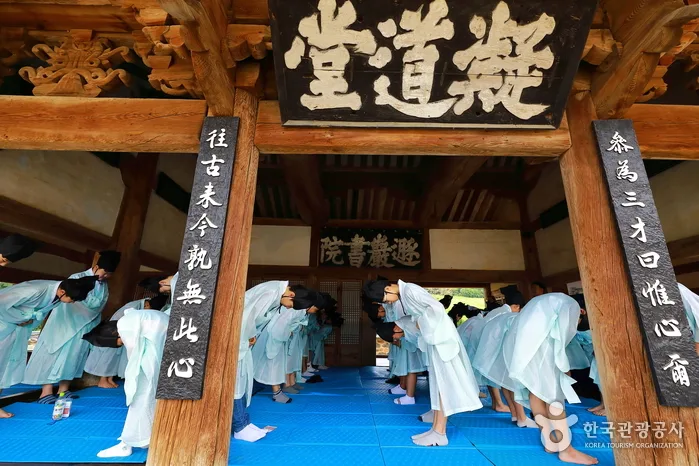
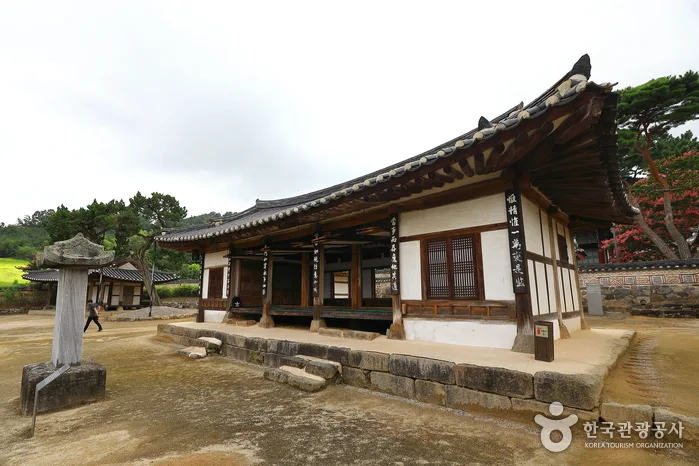
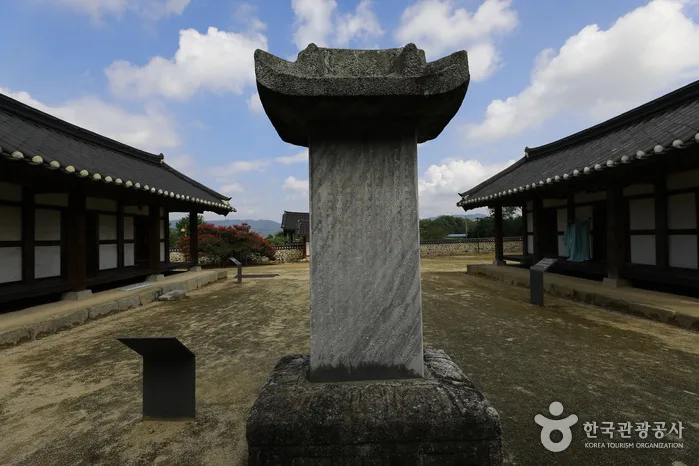
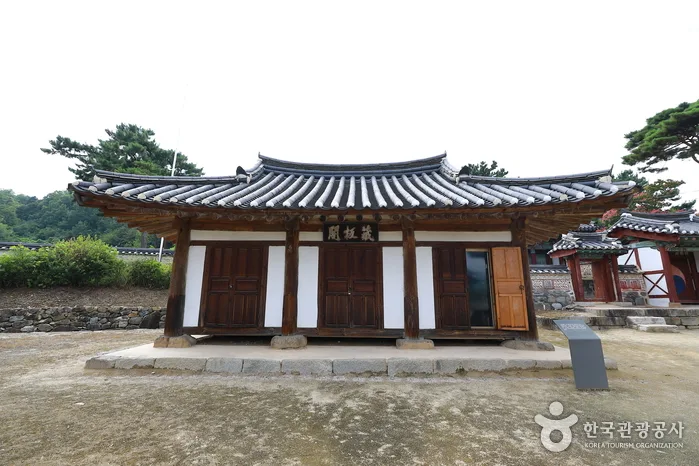
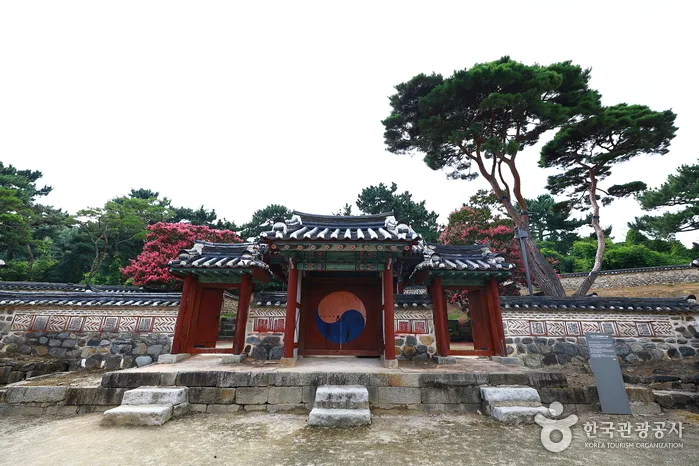
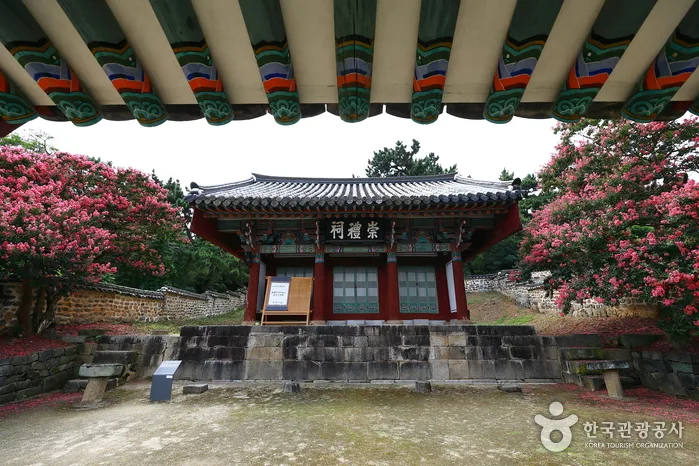
I was not expecting this, but upon arrival, visitors are greeted by the Ipdeokmun Gate, featuring three entrance doors that set the tone for your visit. Once through the gate, you’ll find Yangseongdang Hall directly ahead and Eungdodang Hall to your left. The layout is both functional and reflective of traditional Korean architecture. Ancestral rites held every February and August at Jungjeong Hall add to the site’s cultural depth, showcasing the academy’s ongoing relevance.
How do you get to Donamseowon Confucian Academy?
The academy is located at 26-14 Im 3-gil, Nonsan-si, Chungcheongnam-do. If you’re driving, there’s free parking available on-site, making it convenient for families with kids or those traveling in groups.
If public transport suits you better, consider taking a bus from nearby towns to Nonsan City. From there, local taxis can take you to the academy easily. Just consider have your destination written down in Korean, as some drivers may not speak English.
What should you know before visiting?
Admission to Donamseowon is free, which is a nice bonus for budget-conscious travelers. It’s open most days of the year but closed on January 1 and during major holidays like Seollal (Lunar New Year) and Chuseok (Korean Thanksgiving). You won’t find interpretation services here, so brushing up on basic Korean phrases or bringing a translation app could enhance your visit.
Restrooms are available on-site, which is helpful if you’re traveling with children. Also, keep in mind that the staff is generally helpful; I’ve found them accommodating even with language barriers. They seem eager to assist anyone curious about the site’s features and history.
What else is nearby?
The surrounding area features additional cultural sites worth exploring. For instance, you might want to check out local temples or other historical academies that echo the educational traditions of Donamseowon. Additionally, Nonsan offers various restaurants where you can enjoy regional specialties—consider out on trying some local dishes.
If you’re up for a bit of hiking or outdoor activities, nearby trails provide lovely views of the countryside and a chance to experience Korea’s natural beauty. It’s also an excellent opportunity for families looking to combine culture with some active fun.