Click to generate audioFirst play may take 10-15 seconds
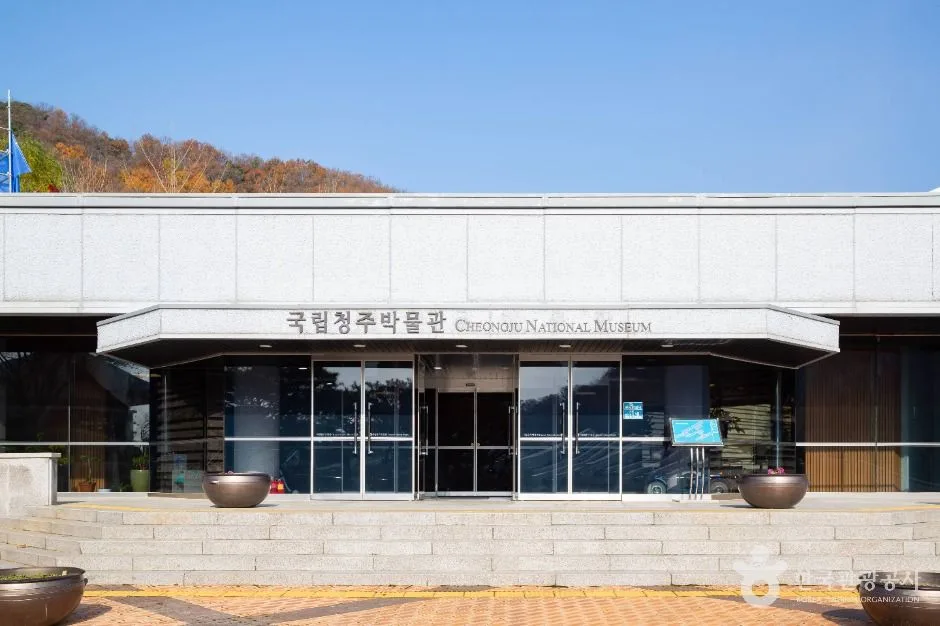
At a Glance: Discover the Cheongju National Museum (국립청주박물관), a cultural hub showcasing Korea's heritage with free admission and diverse exhibitions.
Visiting the Cheongju National Museum (국립청주박물관) is especially enjoyable in the spring or fall when the weather is mild. The outdoor exhibition areas are particularly pleasant during these seasons. You can stroll around while appreciating both nature and culture, making it a perfect way to spend an afternoon.
What makes Cheongju National Museum (국립청주박물관) culturally significant?
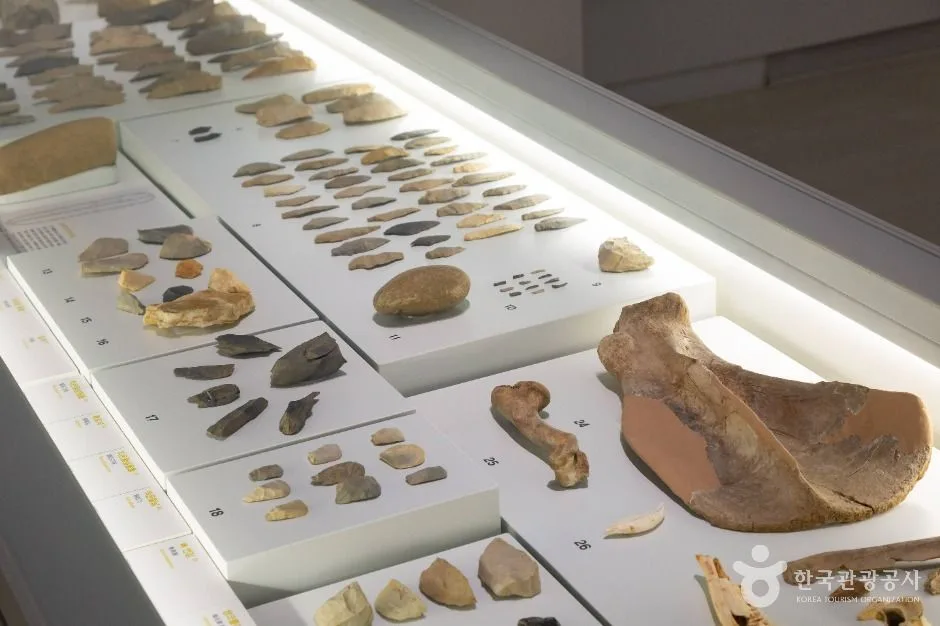
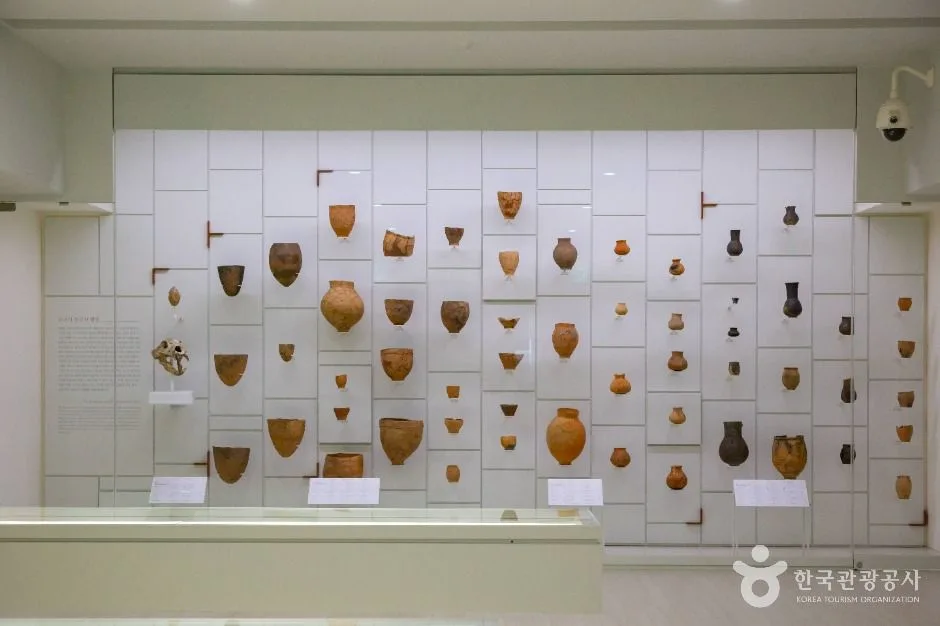
This museum plays a crucial role in preserving and showcasing Korean culture. Established in 1987, it holds over 42,000 artifacts spanning from the Old Stone Age to the Joseon period. This extensive collection allows visitors to gain insight into Korea’s artistic and historical evolution.
Moreover, the museum is dedicated to making culture accessible. Admission is free for most of its exhibitions, which sets it apart from many other cultural institutions where entry fees can add up quickly. Special themed exhibitions co-sponsored with other organizations may have fees, but they usually provide unique insights into specific aspects of Korean history or art.
What are the main exhibitions or features?
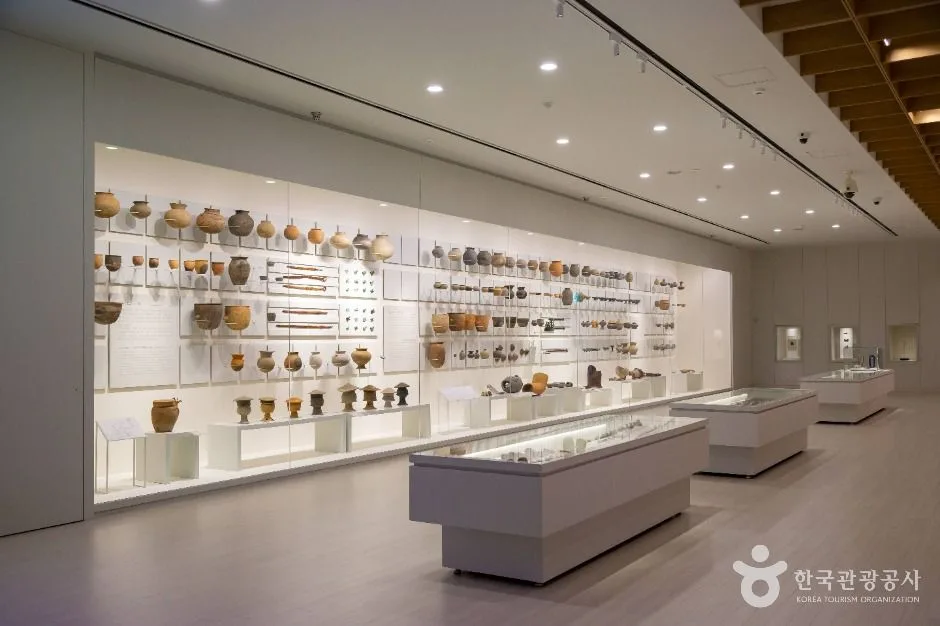
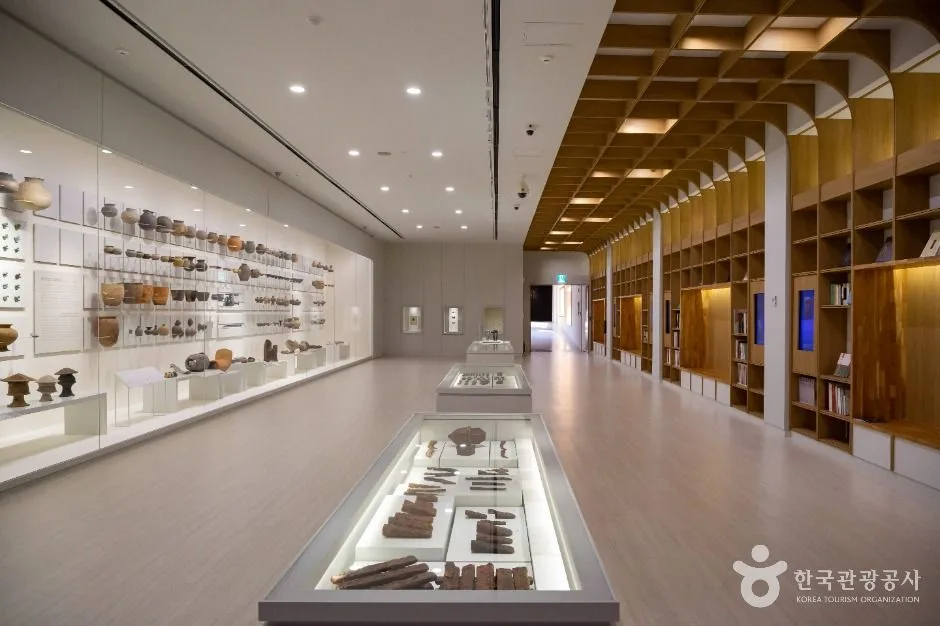
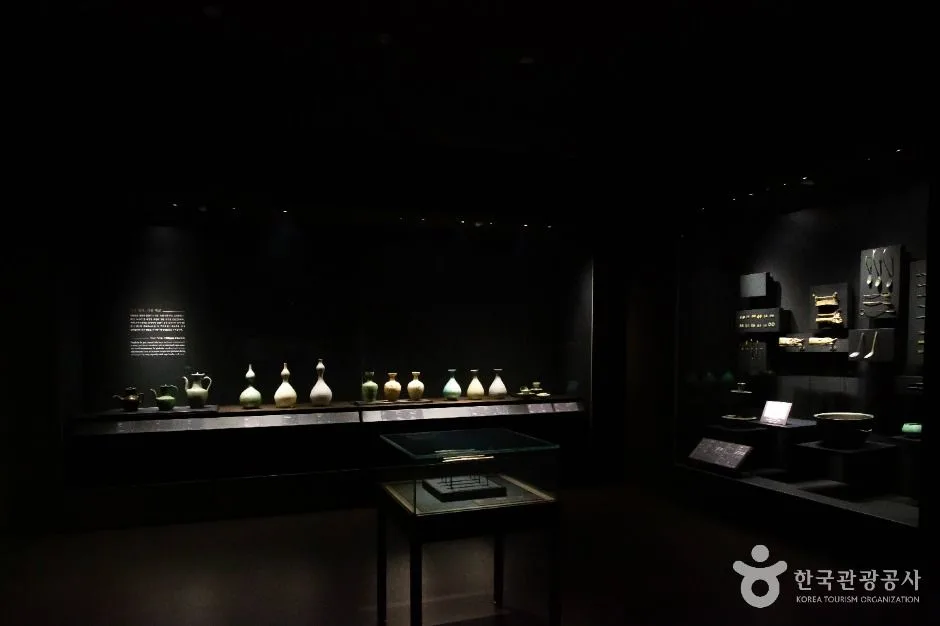
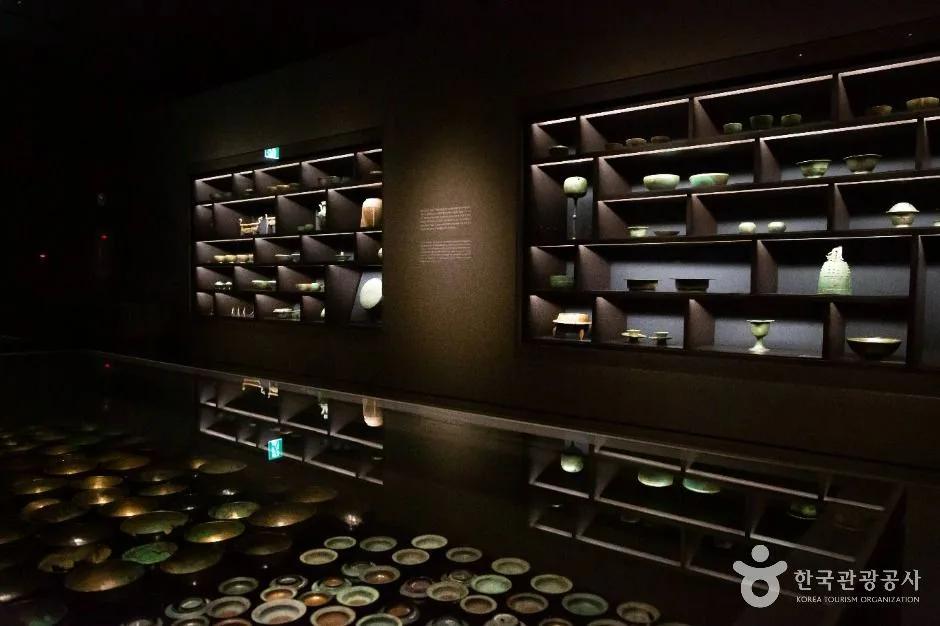
The museum consists of several exhibition halls that display a variety of artifacts, including pottery, paintings, and traditional clothing. The special exhibition hall hosts themed exhibitions every spring and fall that delve into specific topics, which keeps things fresh for repeat visitors.
The outdoor exhibition area features sculptures and installations that complement the indoor displays. There’s also a children’s museum designed to engage younger audiences with interactive exhibits. The recommended time to explore is about 1 hour and 30 minutes; this gives you enough time to appreciate key pieces without feeling rushed.
Is Cheongju National Museum (국립청주박물관) suitable for all ages?
Yes, this museum works for visitors of all ages. Families will find the children’s museum particularly engaging as it offers hands-on learning experiences tailored for kids. There are also educational programs available that aim to foster interest in Korean history among younger generations.
If you’re visiting with older relatives or friends who may need assistance, keep in mind that while there are ramps available, some areas might require navigating stairs. If I’m being honest, clearer signage would enhance accessibility further.
What practical tips should you know?
Plan your visit accordingly since the museum operates from 09:00 to 18:00 but is closed on New Year’s Day, Mondays, and during major holidays like Seollal (Lunar New Year’s Day) and Chuseok (Korean Thanksgiving Day). Arriving early can help you avoid crowds during peak times.
If you’re using public transport, take bus routes that stop nearby or consider driving if that’s more convenient for your group. Parking facilities are available on-site but check if there are any fees involved beforehand.