Click to generate audioFirst play may take 10-15 seconds
At a Glance: Discover the Jamsa Insect Plant, a unique cultural facility in South Korea focused on silkworm farming and insect ecology.
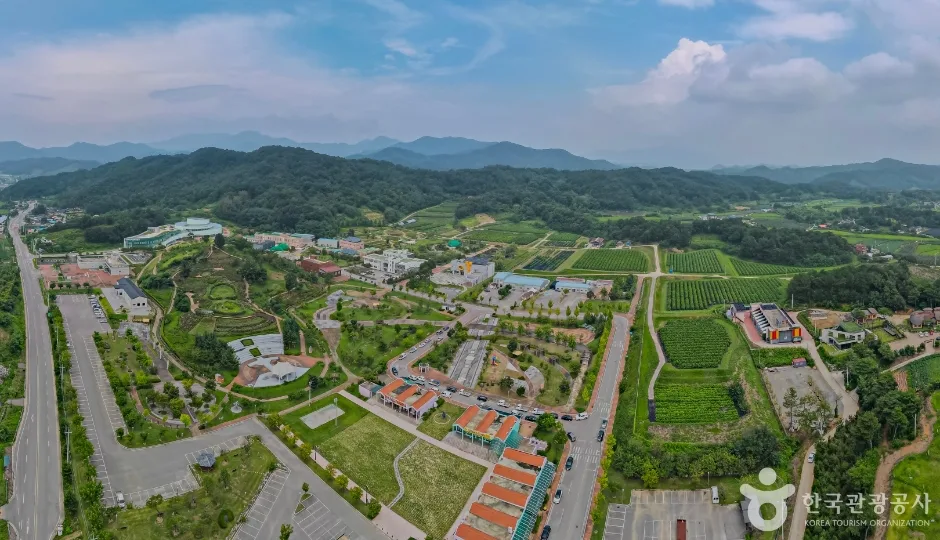
Many locals regard the Jamsa Insect Plant (잠사곤충사업장) as an interesting spot for family outings or educational trips. It’s more than just a tourist destination; it’s a place where traditional silkworm farming intersects with modern technology. This cultural facility in Sangju, Gyeongsangbuk-do, offers insights into Korea’s agricultural practices and insect biodiversity, which might be overlooked by international visitors.
What is Jamsa Insect Plant (잠사곤충사업장) and why does it matter?
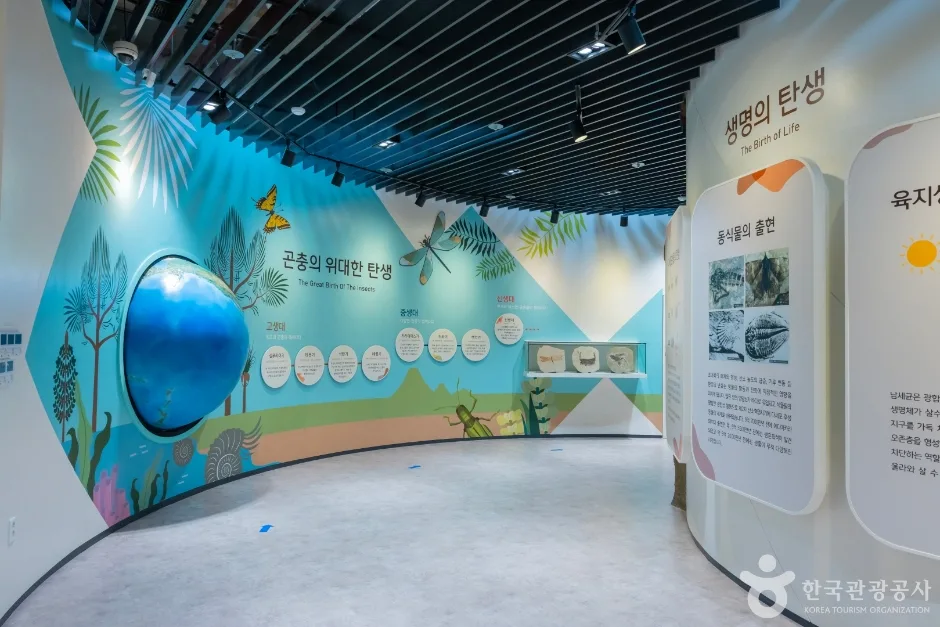
The Jamsa Insect Plant showcases the significance of silkworms in Korean culture and economy. Silkworm farming has deep roots in this region, linking the past to present industries such as tourism and medicine. Visitors can learn about the lifecycle of insects through interactive exhibits that employ AR and VR technologies.
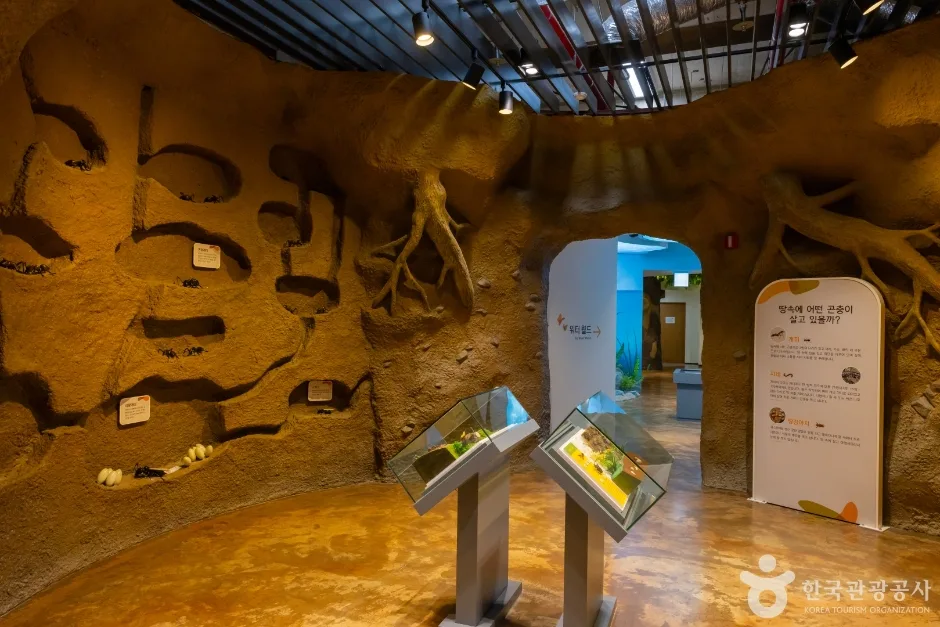
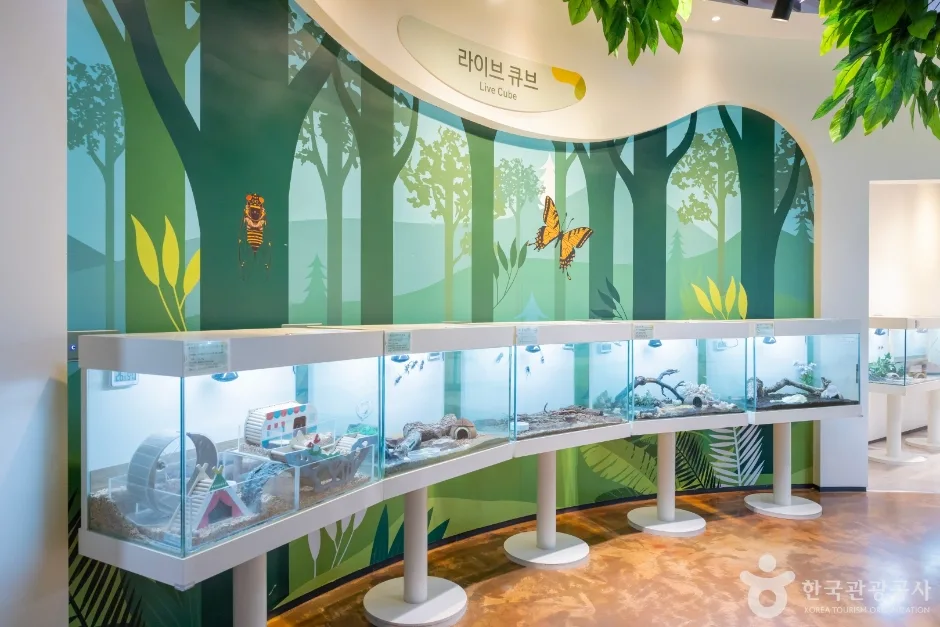
This facility is divided into two main sections: the silkworm experience hall and the insect ecology exhibition hall. The former presents different types of silkworms alongside butterflies, while the latter focuses on various insect species and their roles within ecosystems. Such an experience is particularly valuable for families looking to educate their children about nature.
A walkthrough of the main highlights
Upon entering the Jamsa Insect Plant, you’ll first encounter the silkworm experience hall. Here, displays illustrate how silk is produced from these fascinating creatures. It’s surprisingly engaging for kids who might not have encountered live silkworms before. Just a heads up though—some children may find them off-putting at first.
The insect ecology exhibition hall offers another layer of interaction with insects. Displays here highlight important ecological concepts through informative panels and hands-on activities suitable for various age groups. For parents interested in fostering curiosity about nature, this venue ticks many boxes. Something to consider when planning your trip.
Is it engaging for non-Korean visitors?
Absolutely! The mix of technology with natural history makes it appealing to anyone interested in entomology or agriculture. While most information is available in Korean, the visual aspects are engaging enough that language barriers won’t be too daunting.