Click to generate audioFirst play may take 10-15 seconds
At a Glance: Discover the unique educational journey at the Hanbat Museum of Education (한밭교육박물관) in Daejeon, highlighting Korea's teaching history.
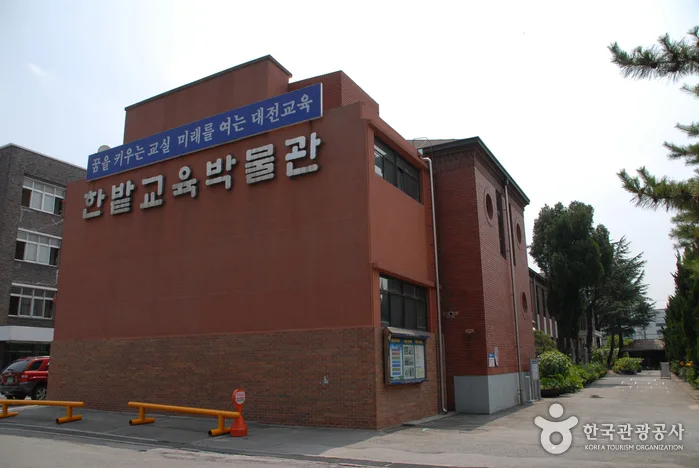
For anyone interested in education and cultural development, the Hanbat Museum of Education (한밭교육박물관) in Daejeon offers a fascinating glimpse into South Korea’s educational evolution. Located at 96, Uam-ro, Dong-gu, this museum is distinct from other cultural attractions because it focuses specifically on the history of education in Korea, showcasing how teaching methods and philosophies have transformed over time.
What is Hanbat Museum of Education (한밭교육박물관) and why does it matter?
The Hanbat Museum of Education is dedicated to preserving and presenting the history and significance of education in Korea. This museum is essential for understanding how education shaped society and culture in the country. Visitors will find exhibits that range from traditional teaching methods to modern educational practices, all contextualized within Korea’s unique cultural landscape.
If you’re curious about how education has influenced various aspects of Korean life, this museum provides insights that are both enriching and thought-provoking. The importance of education in shaping modern South Korea cannot be understated, making this museum a relevant stop for anyone wanting to grasp the country’s development. Something to consider when planning your trip.
A walkthrough of the main highlights
As you explore the Hanbat Museum of Education, you’ll encounter a variety of exhibits designed to engage visitors with interactive displays and informative panels. The main highlights include historical artifacts such as traditional school supplies, uniforms, and materials used in classrooms throughout different eras. One particular exhibit showcases models of old-style classrooms which are quite nostalgic for many locals.
There’s also a section dedicated to notable figures in Korean education who have made significant contributions to pedagogy. I found it fascinating to see how these individuals helped shape educational reform over decades. consider take your time here; the thoughtful presentation encourages deeper reflection on what education means. Keep that in mind when you visit.
Is it engaging for non-Korean visitors?
Absolutely. While most exhibits are in Korean, many have English translations that make it easier for non-Korean speakers to understand the content. The museum staff is friendly and willing to help translate or explain specific items if you ask them directly.
One thing that might feel less engaging is that some interactive elements could use more English instructions. But here’s the thing: even without fully understanding everything at first glance, the visual displays are compelling enough to convey their importance. If you’re traveling with children or just enjoy hands-on activities, you might appreciate these features more than you expect. That part surprised me.
How do I get to Hanbat Museum of Education (한밭교육박물관)?
The museum is conveniently located in Daejeon, making it accessible by public transport. The nearest subway station is Daejeon Station (대전역), from which you can catch local buses heading toward Dong-gu. You can also opt for a short taxi ride from downtown Daejeon if you prefer direct access.
Admission fees are quite reasonable, though specific costs weren’t provided in verified data. Most likely, they range between ₩3,000-₩5,000 (approximately $2-$4 USD). Operating hours typically vary but expect them to open around 9 AM and close around 6 PM daily.