Click to generate audioFirst play may take 10-15 seconds
At a Glance: Seunghaksan Mountain (승학산) offers diverse hiking trails and stunning views, perfect for nature lovers and outdoor enthusiasts in Busan.
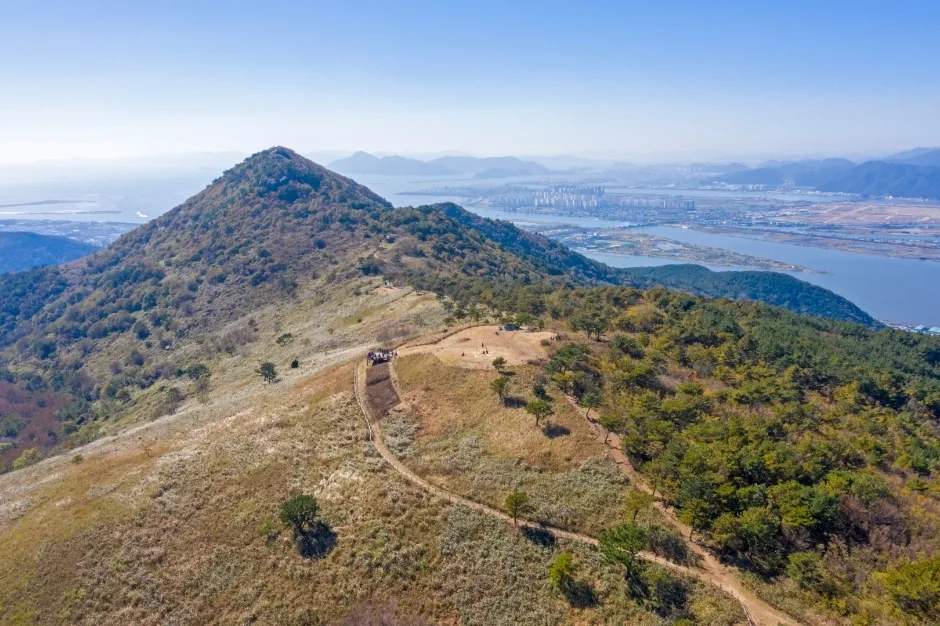
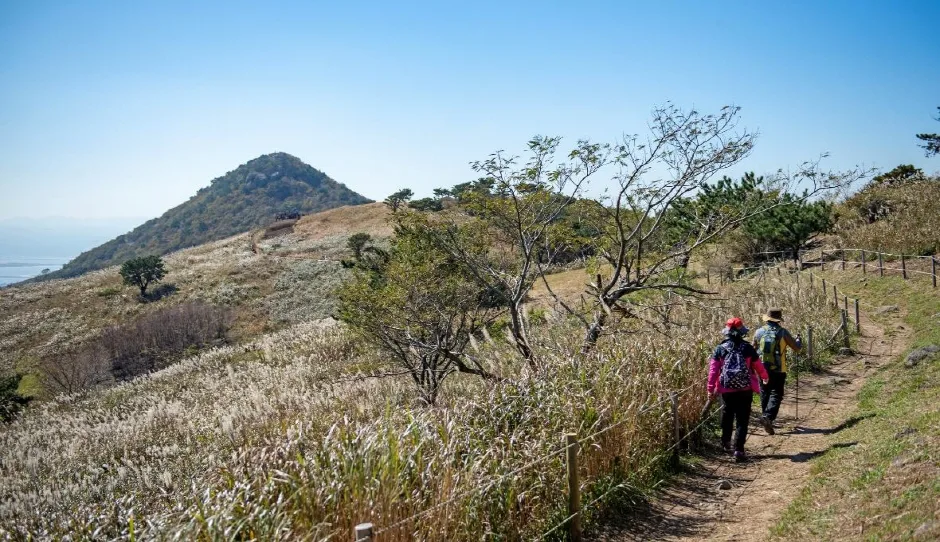
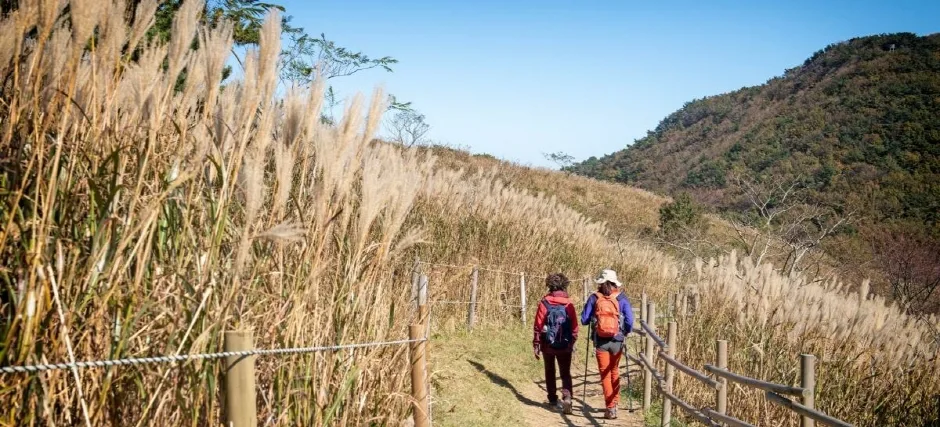
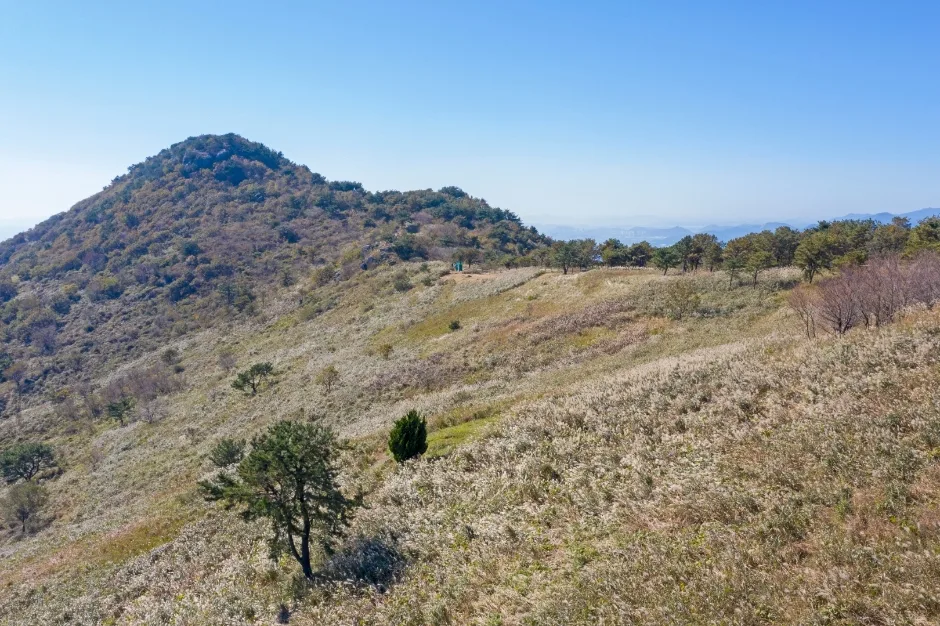
Seunghaksan Mountain (승학산), standing at 496 meters tall, is a fantastic destination for those seeking a mix of outdoor adventure and tranquil scenery. Whether you are an avid hiker or just someone looking to enjoy nature, this mountain has something to offer. With five distinct hiking trails, you can choose the one that best suits your skill level and time constraints.
What makes Seunghaksan Mountain (승학산) worth visiting?
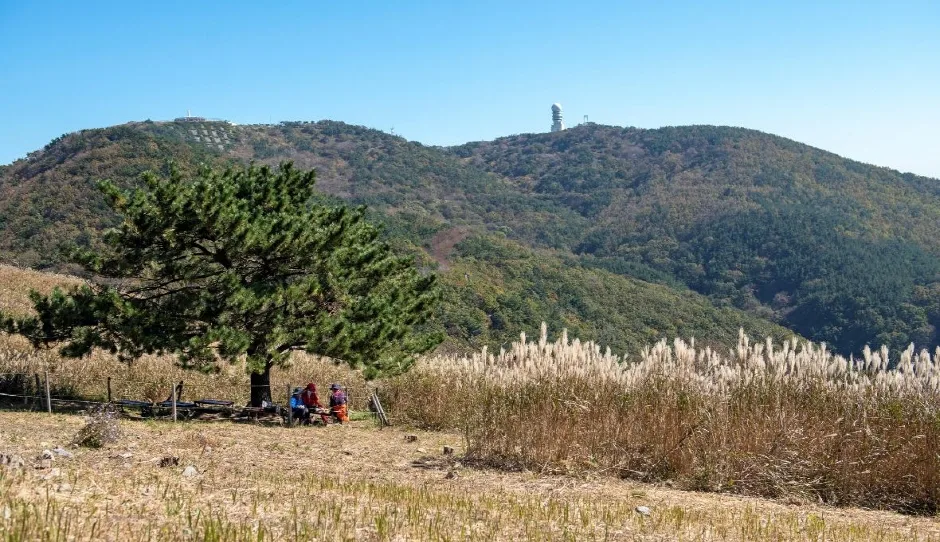
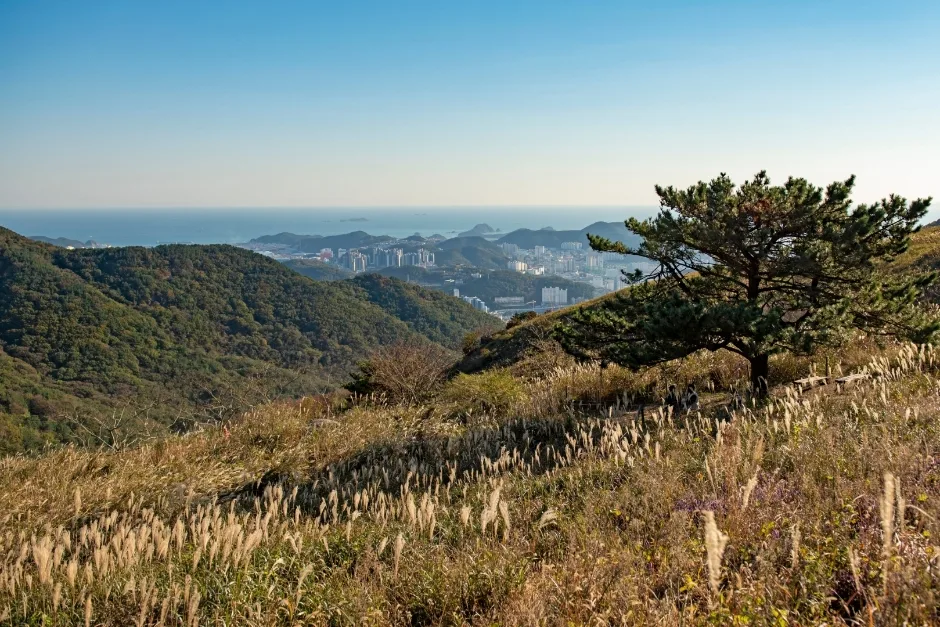
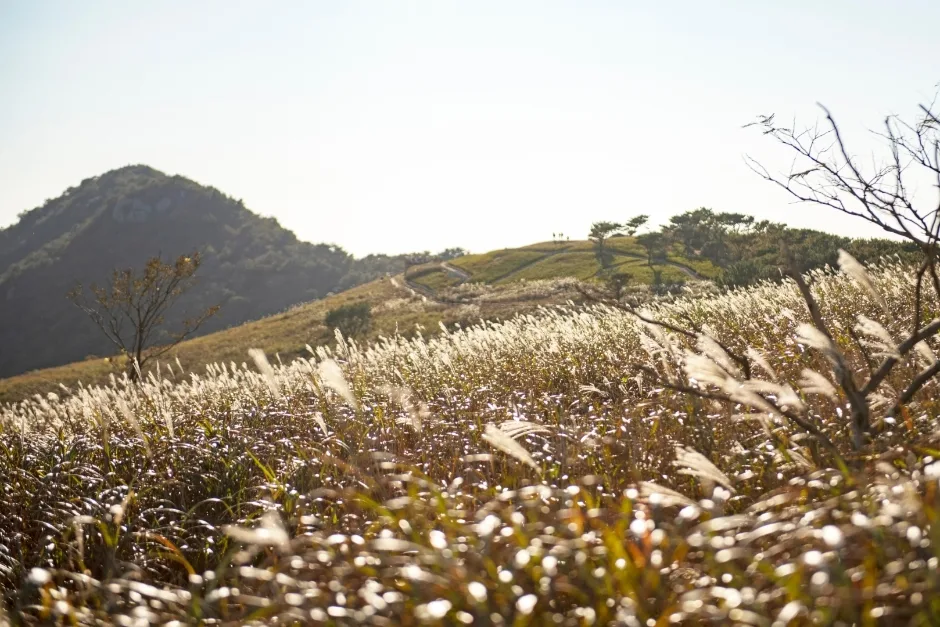
The unique terrain of Seunghaksan resembles a flying crane, which adds an element of intrigue to your hike. One of the highlights is the silver grass habitat found near the summit. In autumn, the sight of this grass swaying in the wind is captivating. Alongside the natural beauty, there are several attractions including a forest park, a cypress forest, and even a meditation space made from cedar trees.
I found the observatory particularly useful; it provides breathtaking panoramic views of Busan. On a clear day, you can spot various landmarks across the city. If you’re into sports, there’s also a range of facilities available nearby that cater to different activities. Keep that in mind when you visit.
How do you get to Seunghaksan Mountain (승학산)?
Getting to Seunghaksan Mountain is straightforward. If you’re coming from downtown Busan, you can take Bus No. 7 or No. 188 directly to Dangni-dong Station, which is about a 15-minute walk from the base of the mountain. Alternatively, driving is an option since parking is available right at the foot of the mountain.
The journey takes roughly 30 minutes by bus from central areas like Seomyeon or Nampo-dong. For anyone relying on public transport, consider check local schedules as they can vary during weekends and holidays.
What should you know before visiting?
Admission to Seunghaksan Mountain is free, making it an affordable outing for anyone exploring Busan. There are restrooms available at various points along the trails. But here’s the thing: while I appreciated having access to facilities, I noticed they could use some upkeep.
For those who prefer not to rush their hike, plan for at least two hours if you’re tackling one of the longer trails. Also remember that South Korean culture places emphasis on being quiet in public spaces; it’s always good practice to keep conversations low during your hike. Let me know if you have a different experience.
What else is nearby?
If you’re looking for more activities after your hike at Seunghaksan Mountain, consider checking out nearby parks or even local markets for some delicious street food options. The Jangsan Mountain area isn’t far either and offers additional hiking opportunities.
You might also stumble upon small eateries serving traditional Korean dishes post-hike — just be aware that tipping isn’t customary in restaurants here.