Click to generate audioFirst play may take 10-15 seconds
At a Glance: Pungsuwon Museum (풍수원유물전시관) offers insights into Korean Catholic history through its unique collection of artifacts.
I almost skipped the Pungsuwon Museum (풍수원유물전시관) when planning my visit. The gloomy weather made me think twice, but I’m glad I didn’t miss it. This museum is a small yet significant stop that sheds light on the unique history of Catholicism in Korea.
What is Pungsuwon Museum (풍수원유물전시관) and why does it matter?
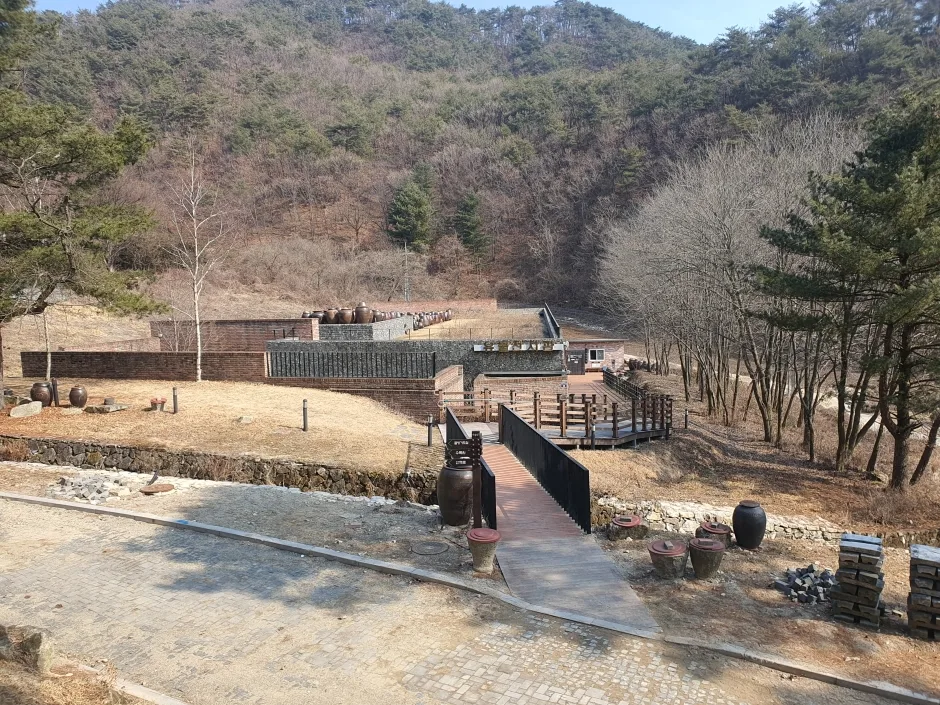
Pungsuwon Museum is located in Hoengseong-gun, Gangwon-do, behind the Pungsuwon Catholic Church. It was established to showcase artifacts that reflect the experiences of Korean Catholics, particularly during times of persecution. As the fourth Catholic church built in Korea and the first by a Korean priest, this site plays an important role in understanding how faith evolved amidst adversity.
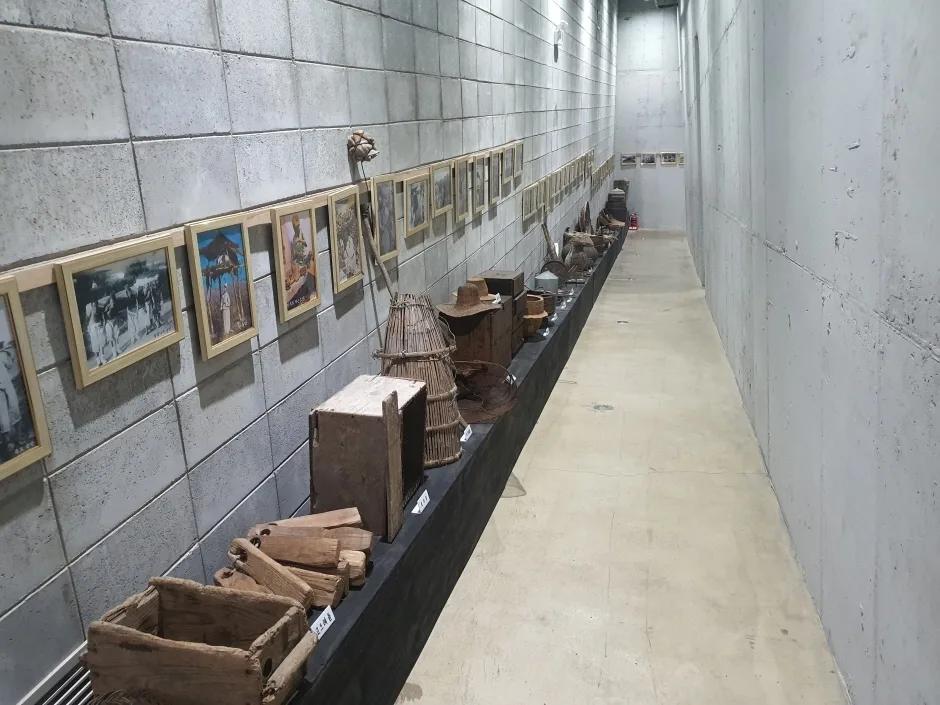
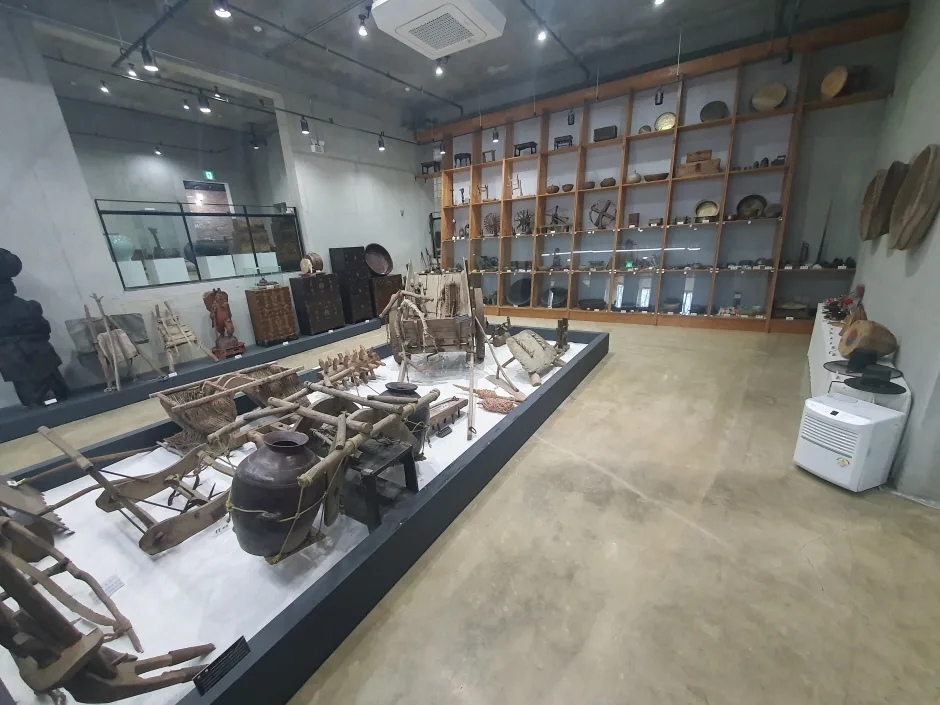
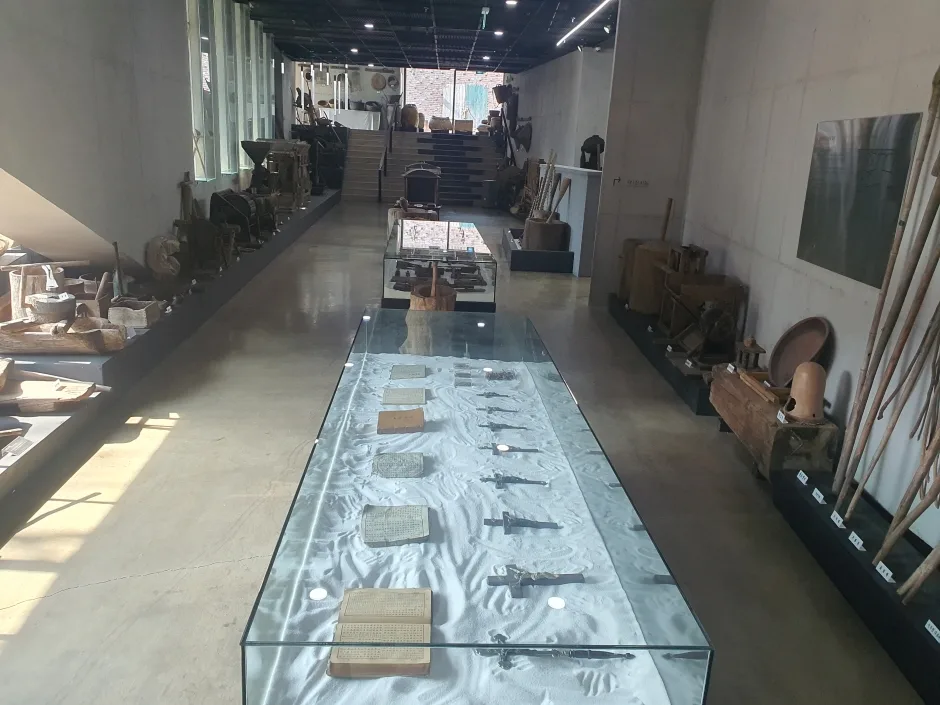
The museum houses over 1,000 items used for mass and daily life from earlier generations. Visiting here provides a tangible connection to the past and illustrates how deeply intertwined Catholic practices are with Korean culture. Have you experienced something similar?
A walkthrough of the main highlights
The museum consists of three exhibition facilities on the second floor. One section focuses on religious objects used by priests, which include altars and ceremonial tools that may not be commonly seen elsewhere. There’s also an impressive display showcasing relics that tell stories about life during challenging periods for believers.
Admission to the museum is reasonably priced at ₩2,000 (about $1.50 USD). With hours from 9:00 AM to 6:00 PM, except on Mondays and Fridays as well as during major holidays like Seollal (Lunar New Year’s Day) and Chuseok (Korean Thanksgiving Day), it’s quite accessible for most travelers. Which, if you ask me, is a good sign.
Is it engaging for non-Korean visitors?
This museum might not seem like an obvious choice if you’re not familiar with Korean Catholicism, but there’s value for all visitors. While some displays may lack English explanations, many artifacts are self-explanatory or intriguing enough to spark curiosity. Have you ever seen a traditional altar used in mass? It’s fascinating to see how religious practices differ worldwide.
The only downside is that if you’re visiting during peak tourist seasons or holidays, crowds can detract from your experience—especially since space isn’t extensive. But honestly, even on a rainy day, exploring this museum felt worthwhile; it offered shelter along with profound historical insights.