Click to generate audioFirst play may take 10-15 seconds
At a Glance: Jingwansa Temple offers a serene retreat in Seoul with beautiful architecture and a connection to Korean Buddhism.
Located at 73 Jingwan-gil, Eunpyeong-gu, Seoul, Jingwansa Temple (진관사) is an important Buddhist site surrounded by the stunning natural beauty of Bukhansan Mountain. This temple is known for its tranquil atmosphere and serves as a center for both religious practices and academic pursuits related to Buddhism. Visitors can immerse themselves in the peaceful environment while exploring its various halls and participating in cultural activities.
Why do travelers recommend Jingwansa Temple (Seoul) [진관사(서울)]?
Travelers often recommend Jingwansa Temple for its serene setting and spiritual significance. Unlike more tourist-heavy attractions, this temple provides a chance to experience authentic Korean Buddhist culture. The surrounding nature enhances the overall ambiance, making it especially appealing during autumn when the foliage turns vibrant colors.
The temple is one of the four main Buddhist temples that encircle Seoul, emphasizing its historical relevance. Visitors appreciate the opportunity to observe traditional ceremonies and engage in practices like the Temple Stay Program, which allows deeper insight into monastic life.
What is the layout of Jingwansa Temple (Seoul) [진관사(서울)]?
The layout of Jingwansa Temple features several key buildings, including Daeungjeon Hall, Myeongbujeon Hall, and Nahanjeon Hall. Each hall has its own unique architectural style and purpose within the temple complex. Daeungjeon Hall houses a large statue of Buddha, making it a focal point for worshippers.
As you explore the grounds, you will find beautifully landscaped gardens that enhance the peaceful atmosphere. The paths are well-maintained, allowing visitors to stroll leisurely while taking in the sights and sounds of nature. Given its location at the foot of Bukhansan Mountain, many visitors also enjoy hiking nearby trails after their visit to the temple.
How much time should you spend at Jingwansa Temple (Seoul) [진관사(서울)]?
A visit to Jingwansa Temple typically takes about 1-2 hours. This allows enough time to explore the halls, walk around the gardens, and perhaps engage in a short meditation session if desired. For those interested in participating in the Temple Stay Program or other special activities, additional time may be required.
If you plan to visit nearby attractions such as Eunpyeong Hanok Village after your trip to the temple, consider allocating extra time for that experience as well. The village offers traditional Korean architecture and culture just a short distance away.
What are the practical details for visiting Jingwansa Temple (Seoul) [진관사(서울)]?
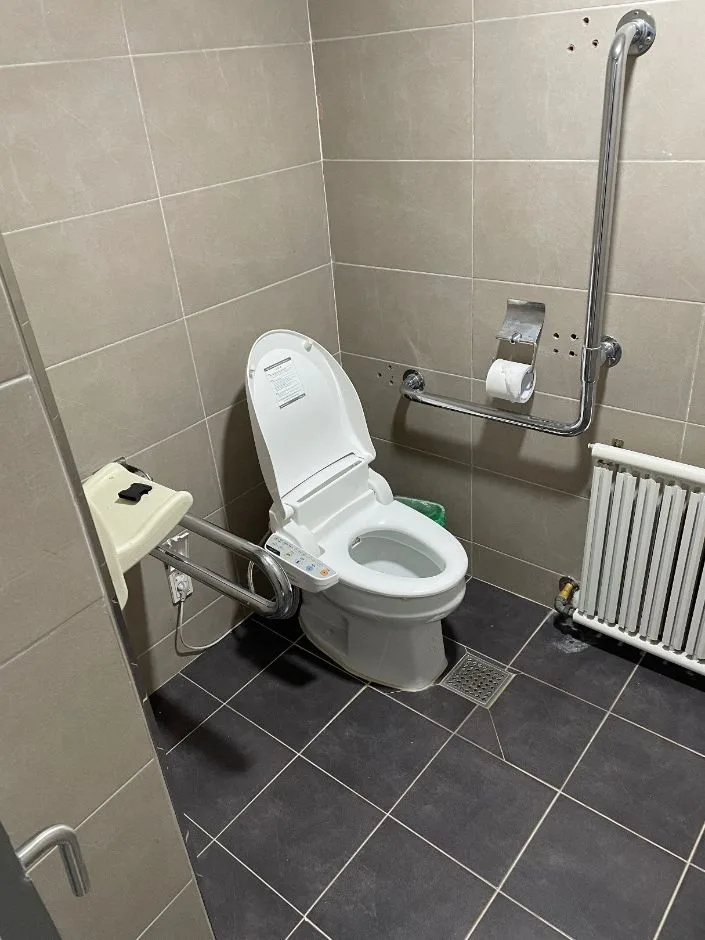
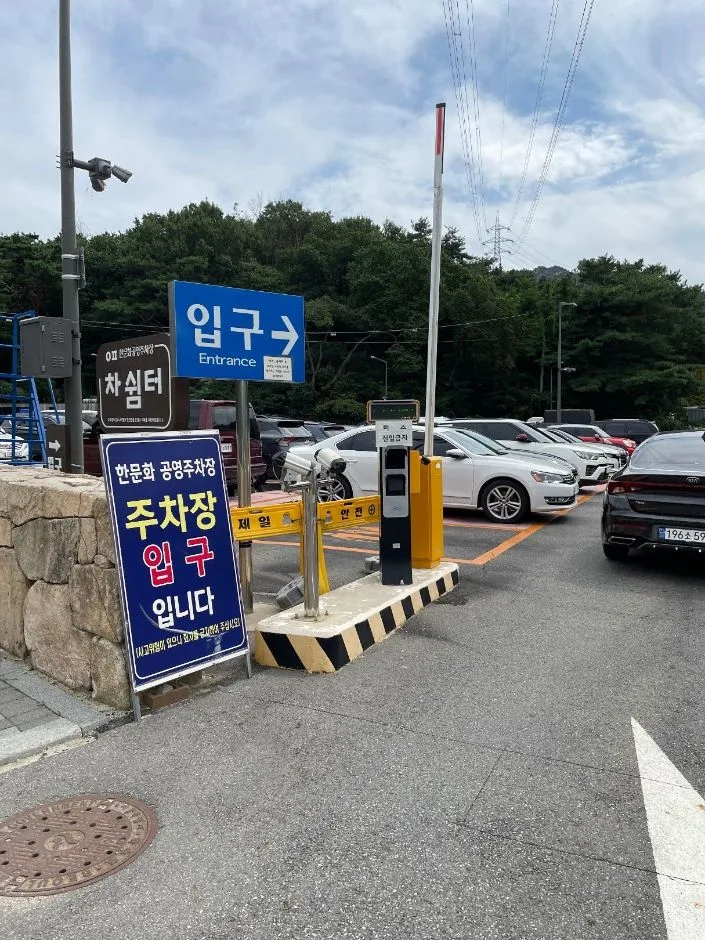
Jingwansa Temple is open year-round from 09:00 to 18:00 and admission is free of charge. Restrooms are available on-site for visitor convenience. Parking is also accessible if you’re driving; however, public transportation options are recommended due to traffic conditions.
The nearest subway station is Eunpyeong-gu Office Station (Line 3), from where you can take a bus or taxi to reach the temple directly. Alternatively, several local buses serve routes close to Jingwansa Temple.
Cultural etiquette includes removing your shoes before entering any indoor spaces within the temple complex. Additionally, maintaining a respectful demeanor is appreciated as many visitors come for quiet reflection or prayer.
Photo Gallery
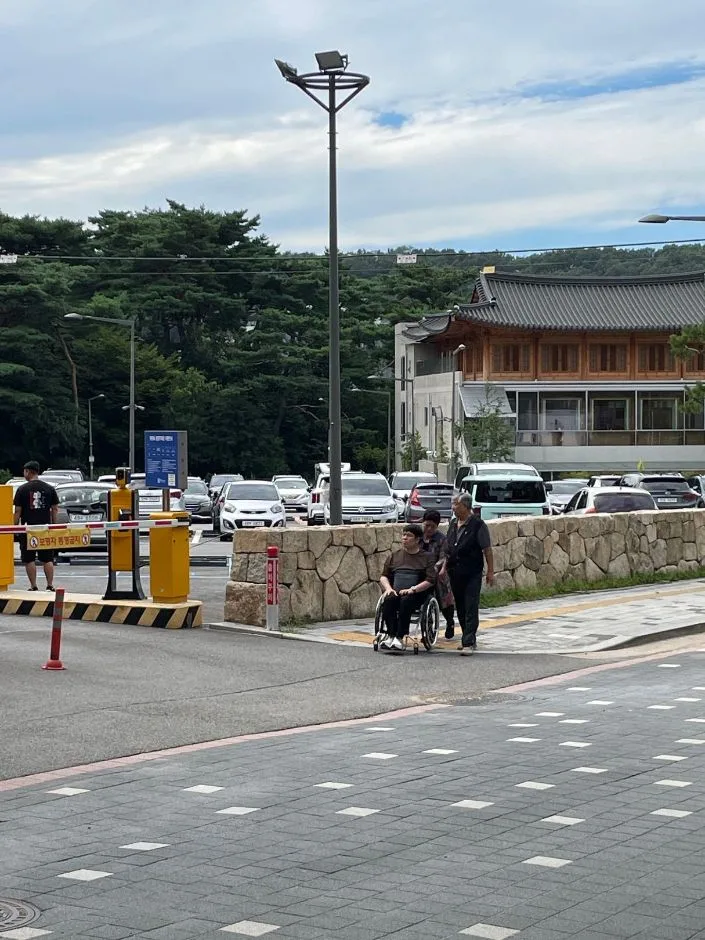
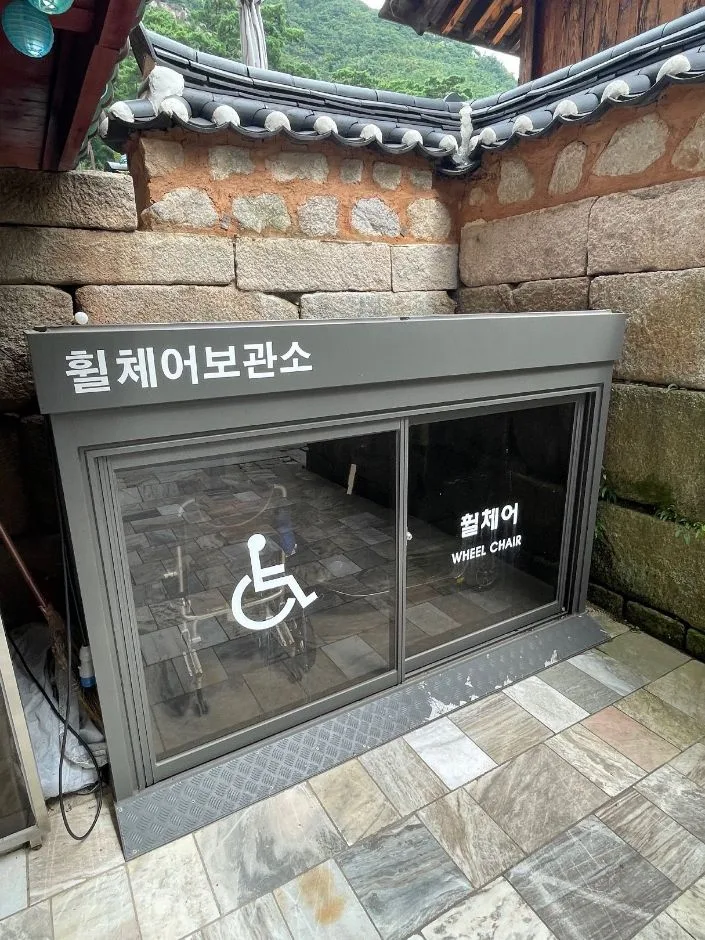
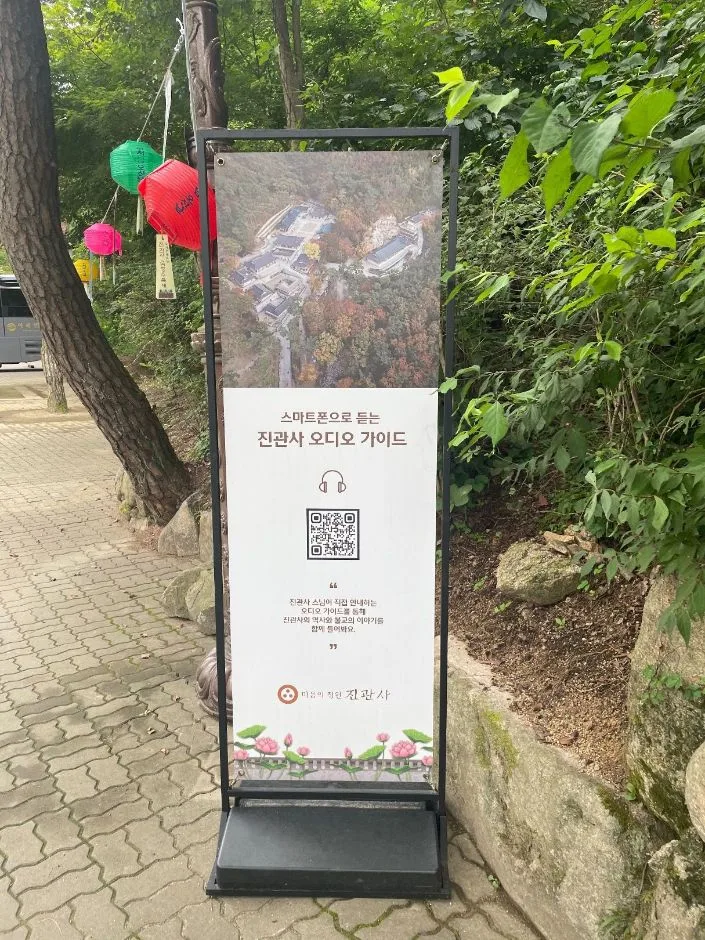
진관사_실제 휠체어 관광 모습진관사_휠체어 보관소진관사_내부 장애인 주차장진관사_오디오 가이드진관사_장애인 화장실진관사_주차장 입구
![Is Jingwansa Temple (Seoul) [진관사(서울)] Worth Visiting? A Local Perspective](https://travelkorea.co.kr/wp-content/uploads/2026/02/tourist-spot-20260208-023851-36aa.webp)