Click to generate audioFirst play may take 10-15 seconds
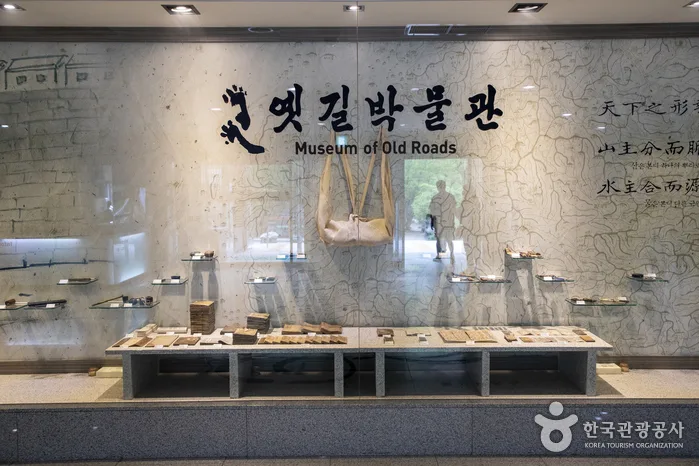
At a Glance: The Museum of Old Roads (옛길박물관) offers a unique glimpse into Korea's historical transportation routes and cultural heritage.
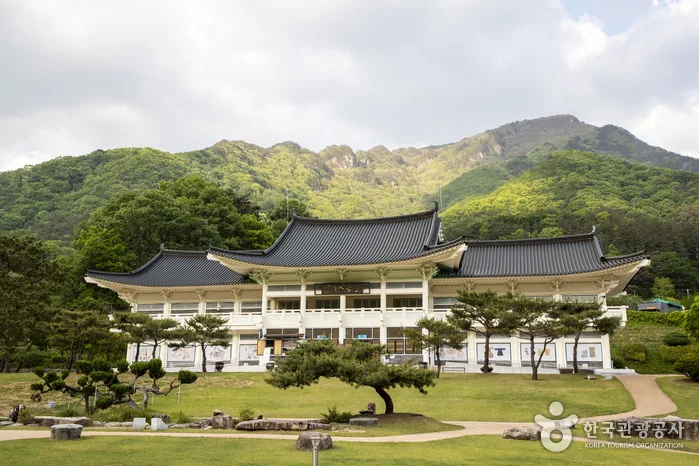
Mungyeong-si, located in Gyeongsangbuk-do, is home to the Museum of Old Roads (옛길박물관), which focuses on Korea’s ancient travel routes. Just a three-hour drive from Seoul, this museum is easily accessible for those looking to dive into the nation’s history. Admission is affordable, at ₩1,000 (about $0.75 USD) for adults and ₩700 (about $0.50 USD) for children.
Why should travelers visit the Museum of Old Roads (옛길박물관)?
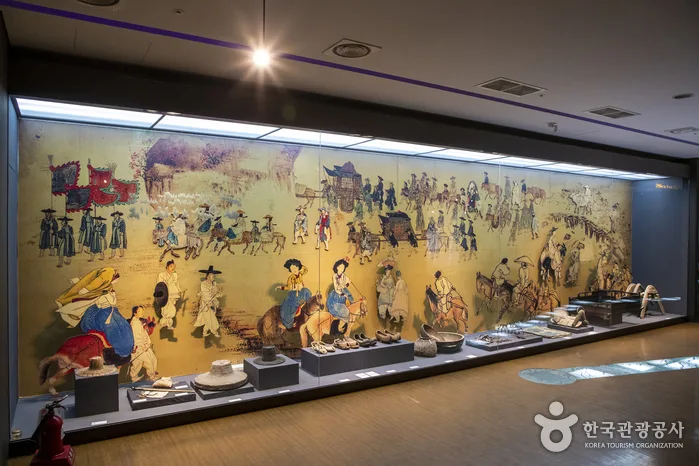
The Museum of Old Roads highlights the significance of traditional roads that once facilitated trade and travel in Korea. Mungyeongsaejae served as a crucial hub during the Joseon Period, with routes like Haneuljae, established in 156 AD, and Tokkibiri, which were vital for commerce and transportation.
I will be honest here — exploring this museum offers insight into the cultural evolution of the region. The exhibits convey not just the practical aspects of these roads but also their impact on local communities and their historical importance. While it may not be as large as other museums, the depth of information is impressive.
What is the layout and what to see first?
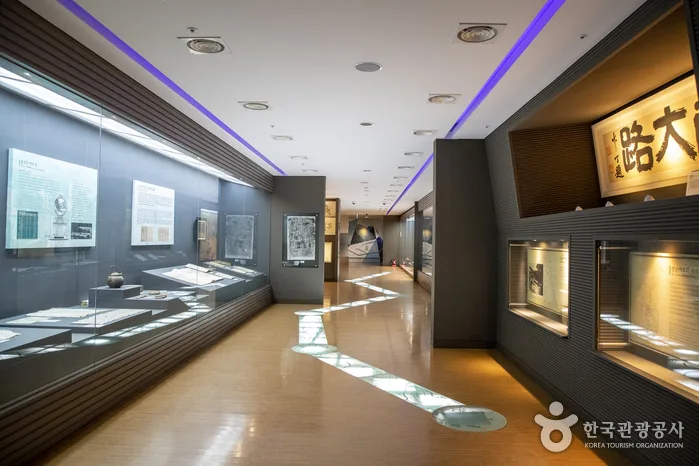
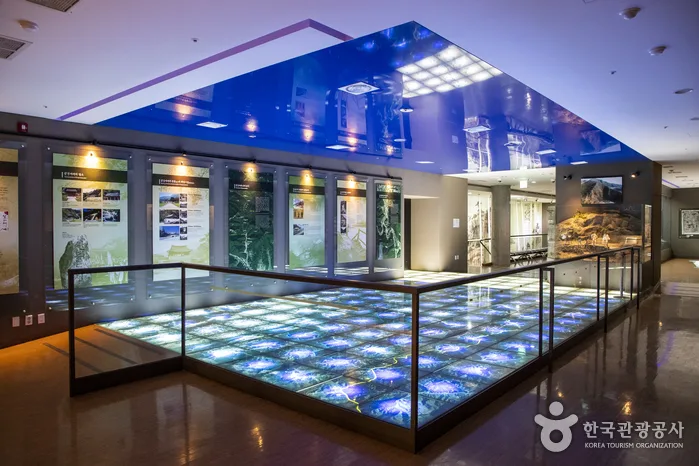
The museum occupies an area of about 1,926 square meters and provides a well-structured layout that guides visitors through various exhibits related to old travel routes. It’s recommended to start with an introductory video that sets the stage for what you’ll see.
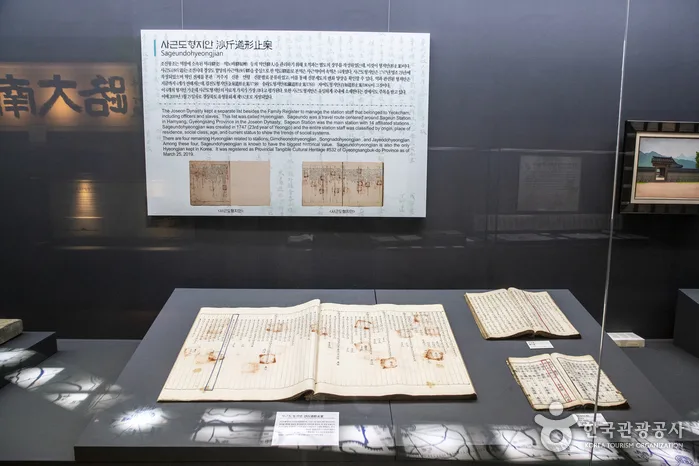
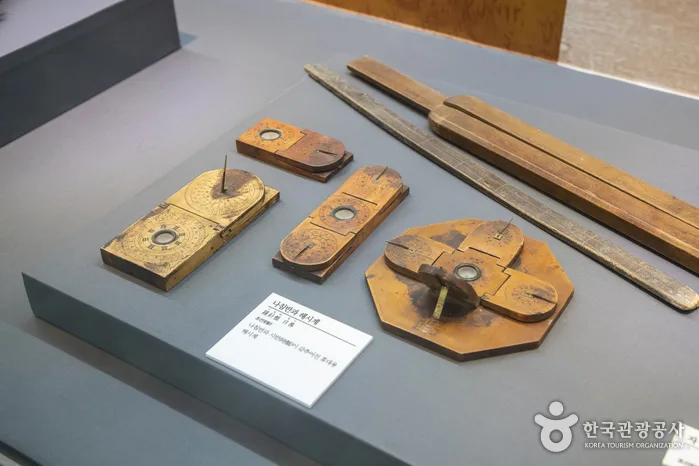
Afterward, take your time exploring detailed displays about Haneuljae and Yugok Station. Each section has informative panels in both Korean and English, making it accessible for international visitors. Plan to spend about an hour here; I found this duration sufficient to absorb the key points without feeling rushed.
Are there guided tours or English support?
While the museum does not offer formal guided tours, there are English-language materials available throughout the exhibits. This makes it easier for non-Korean speakers to follow along with the displays and understand their significance.
If you have specific questions or want deeper insights, feel free to ask staff members; they are usually quite helpful. Just a heads up though: peak visiting times can make it harder to get immediate assistance.
What nearby places complement a visit here?
After visiting the Museum of Old Roads, consider exploring Mungyeongsaejae Provincial Park. It’s right next door and offers beautiful hiking trails that follow old roads through picturesque landscapes. You can also check out local eateries serving traditional dishes — trying some jeon (Korean pancakes) would be a good choice.
If you’re driving, parking is available at Mungyeongsaejae Provincial Park for ₩2,000 (about $1.50 USD), or ₩4,000 (about $3 USD) for buses over 25 passengers. Remember that admission is closed on major holidays like New Year’s Day and Chuseok.
March-October: 09:00-18:00 /
November-February: 09:00-17:00 /
* Last admission: 30 min before closing
Closed
New Year’s Day, the day of Seollal (Lunar New Year’s Day) & Chuseok (Korean Thanksgiving Day)
Admission / Fee
Individuals – Adults 1,000 won / Children 700 won | * Adults (ages 19-64) / Children (ages 7-18) | * Preschoolers (ages 6 or under) must be accompanied by parents
Parking
Parking available at the parking lot of Mungyeongsaejae Provincial Park
Parking Fee
Cars: 2,000 won /
Buses (more than 25 passengers): 4,000 won
Inquiries
• 1330 Travel Hotline: +82-2-1330 (Korean, English, Japanese, Chinese) • For more info: +82-54-550-8372