Click to generate audioFirst play may take 10-15 seconds
At a Glance: Iksan National Museum offers free access to a wealth of Baekje dynasty artifacts and cultural programs in a serene setting.
Walking into Iksan National Museum (국립익산박물관), I was immediately struck by the tranquility of the space and the rich collection of artifacts that tell stories from Korea’s Baekje dynasty. The museum, opened in 1997, serves as a gateway to the past, showcasing items uncovered during archaeological digs at the nearby Mireuksa Temple Site. Free admission makes this cultural experience accessible for everyone, which is good for travelers eager to delve into Korean history.
Why should travelers visit Iksan National Museum (국립익산박물관)?
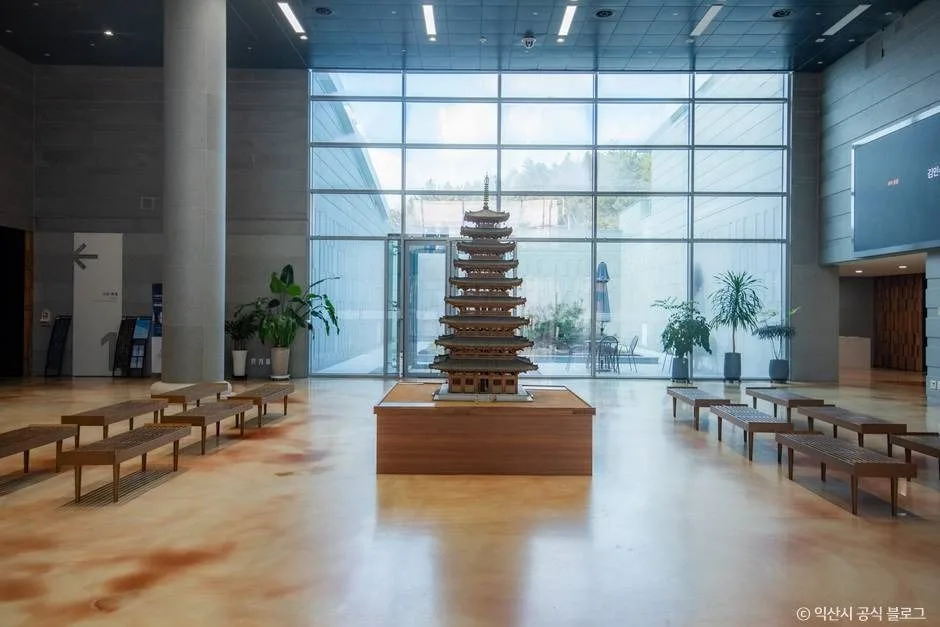
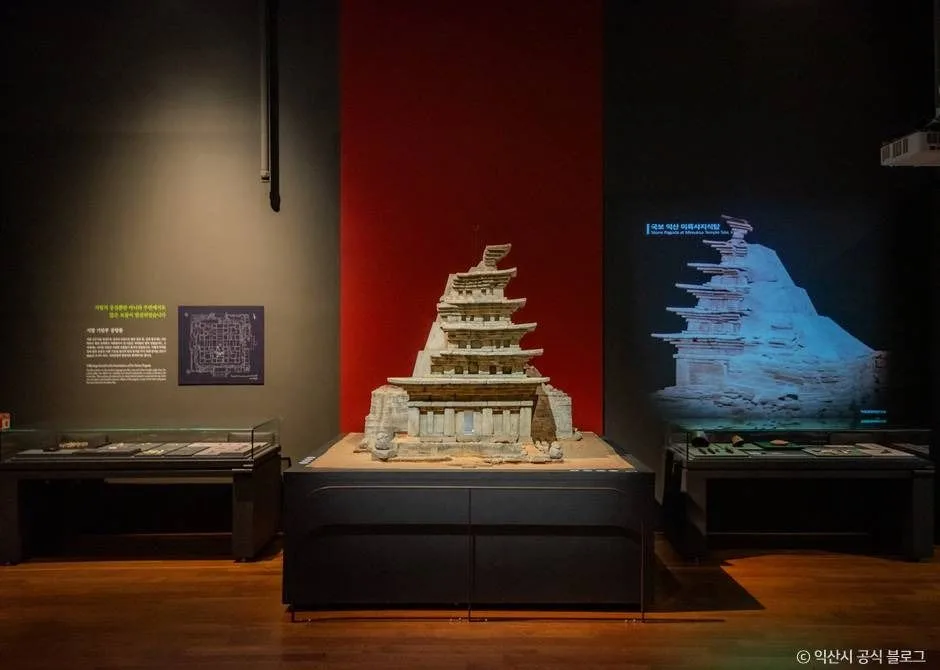
The museum is an essential stop for those interested in Korea’s ancient history, particularly during the Three Kingdoms Period. It houses around 19,000 artifacts, including the Stone Pagoda of Mireuksa Temple Site, recognized as a National Treasure. This pagoda was restored in 2009 and highlights the architectural achievements of the Baekje people.
For anyone planning to visit, keep in mind that it is located at 362 Mireuksaji-ro, Geumma-myeon, Iksan-si, Jeonbuk-do. If you’re using public transport, you might find it helpful to know that buses frequently run from Iksan Station directly to the museum area. Worth knowing before you go.
What is the layout and what to see first?
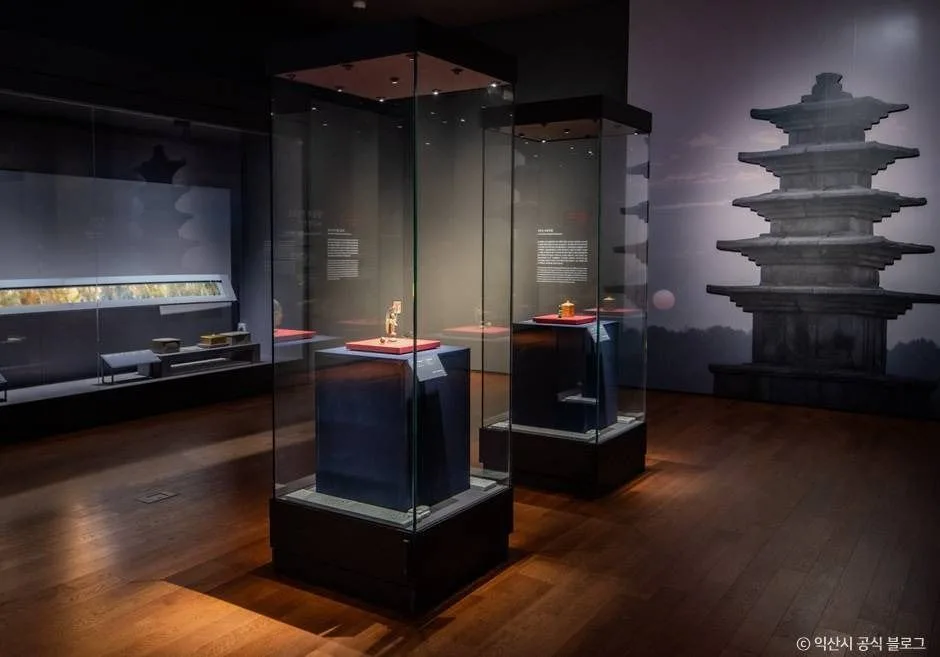
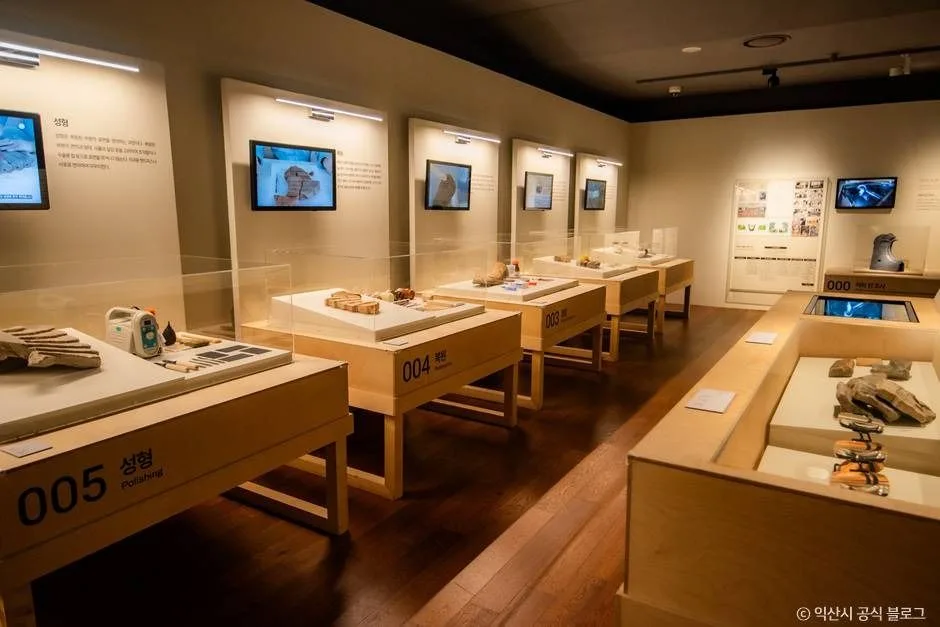
The museum’s layout is designed to guide visitors through its extensive collection seamlessly. Upon entering, consider start with the introductory exhibit on Baekje culture; this will provide context for the rest of your visit. After that, I recommend exploring the hall dedicated to archaeological findings. You’ll see pottery, tools, and decorations that were once part of everyday life in Baekje.
One thing that bugged me a little was the lack of clear signage in English at some exhibits, which could make navigation slightly challenging if you’re not familiar with Korean artifacts. Nevertheless, take your time here—there’s plenty to absorb. Don’t miss out on any special exhibitions that may be happening during your visit; these are often announced on their official site or at the entrance. Something to consider when planning your trip.
Are there guided tours or English support?
The museum does not currently offer guided tours in English, but there are some resources available for English-speaking visitors. Brochures in English can typically be found near the entrance, providing insights into key exhibits.
If you prefer a more interactive experience, consider joining one of their cultural events or lectures when available. These programs can enhance your understanding and appreciation of Korean culture as well as foster connections with other visitors interested in history. Let me know if you have a different experience.
What nearby places complement a visit here?
The proximity of Mireuksa Temple Site makes it an ideal complement to your museum trip. Just a short walk away, you can explore this historic site where many artifacts displayed at the museum were discovered. Additionally, consider visiting other local attractions such as Wanggungni Historic Site—a lovely area where remnants of ancient Baekje fortresses can be found.
If you have time for lunch afterward, check out some local eateries that serve traditional Korean food such as 비빔밥 (Bibimbap) or 불고기 (Bulgogi). One recommendation would be to head back towards Iksan city center where various options await you.
New Year’s Day, Mondays (Closed the following business day if Monday is a public holiday), the day of Seollal (Lunar New Year’s Day) & Chuseok (Korean Thanksgiving Day)