Click to generate audioFirst play may take 10-15 seconds
At a Glance: Unhyeongung Royal Residence offers a glimpse into Korea's royal past with historical architecture and cultural experiences.
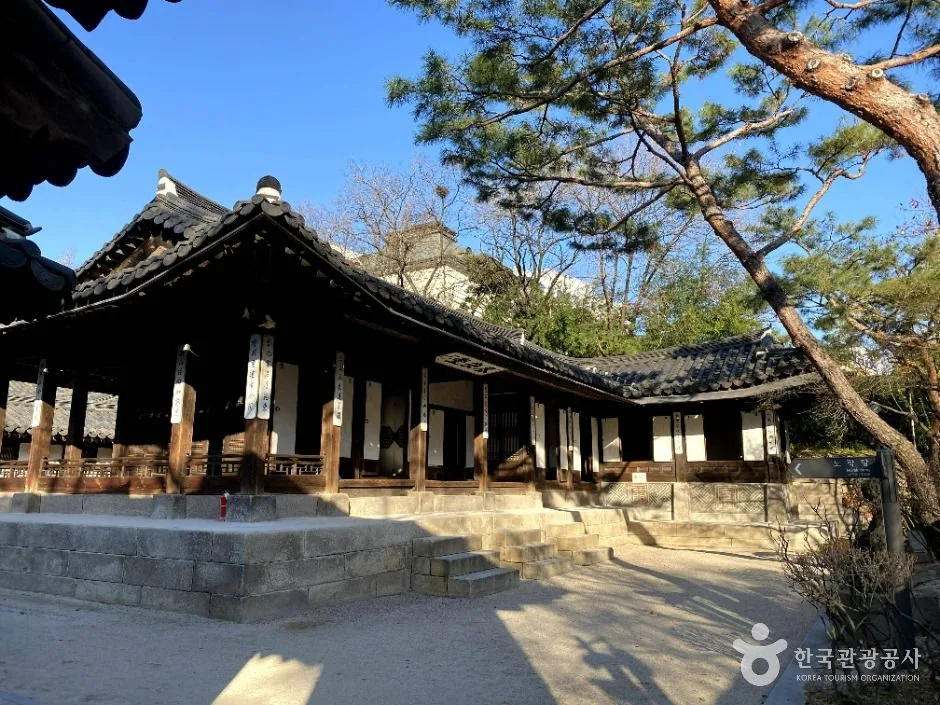
Arriving at Unhyeongung Royal Residence (서울 운현궁) on a crisp autumn afternoon, the sunlight filtered through the trees, casting playful shadows on the traditional buildings. I could feel a sense of calm wash over me as I stepped into this quieter alternative to the more crowded Gyeongbokgung Palace. This spot is not just a piece of history; it’s an intimate look at the life of Joseon’s royalty.
What was my first impression of Unhyeongung Royal Residence?
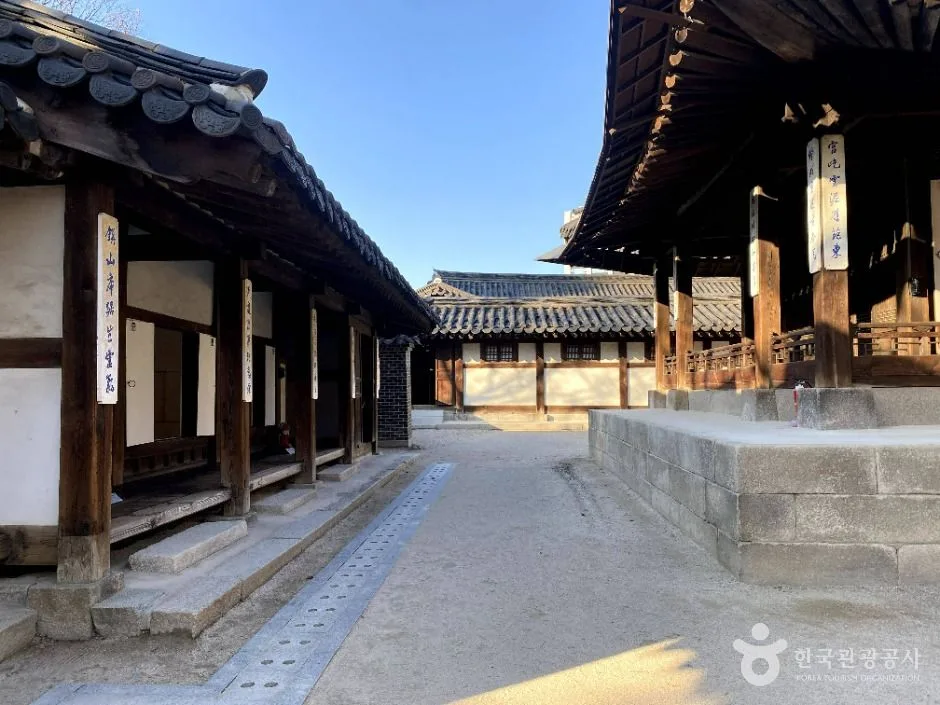
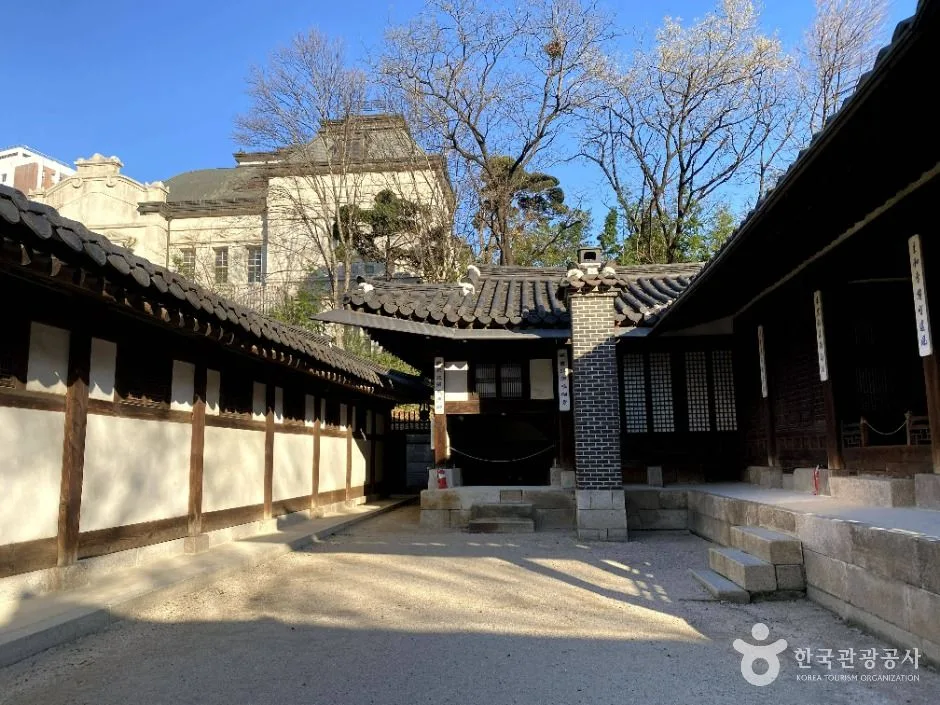
The first thing that caught my eye was the serenity of the surroundings. Unlike other palaces that can feel overwhelming, Unhyeongung has a more personal vibe. The layout is compact, making it easy to navigate, and you can really soak in the details without feeling rushed.
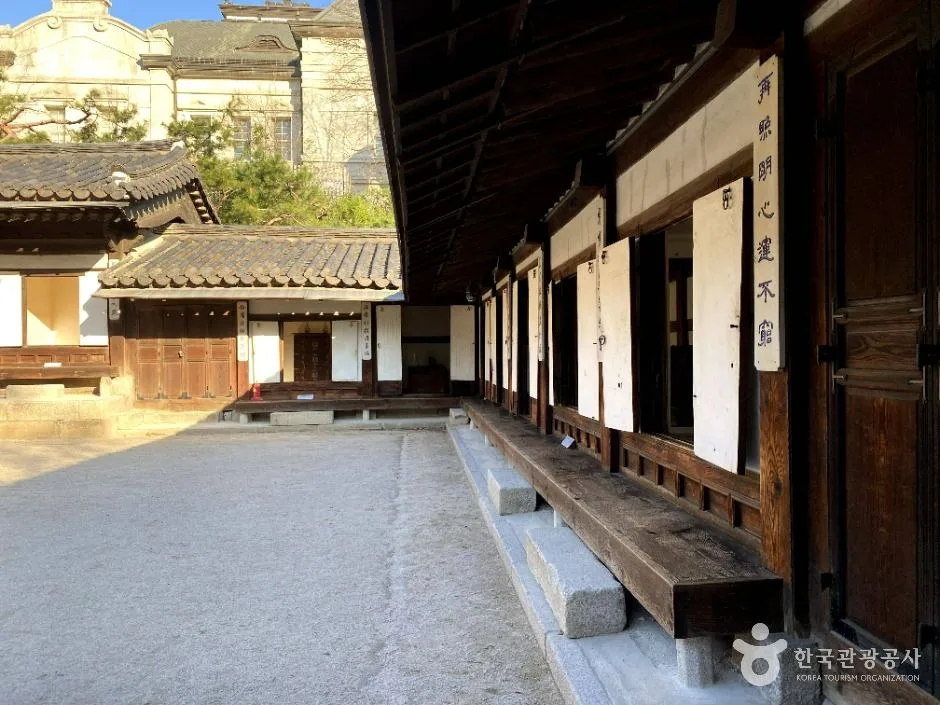
I found myself drawn to the simple elegance of Noandang Hall, where significant royal events took place. Walking around here felt like stepping back in time. It’s fascinating to think that this was once home to King Gojong (고종), who played such an important role in Korean history.
What parts stood out during my visit?
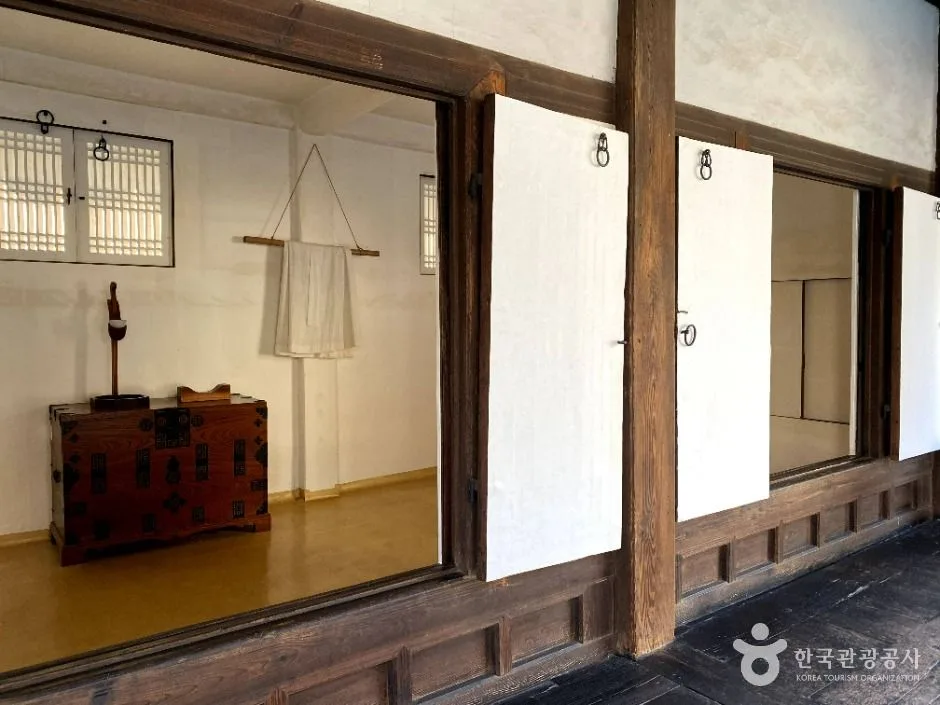
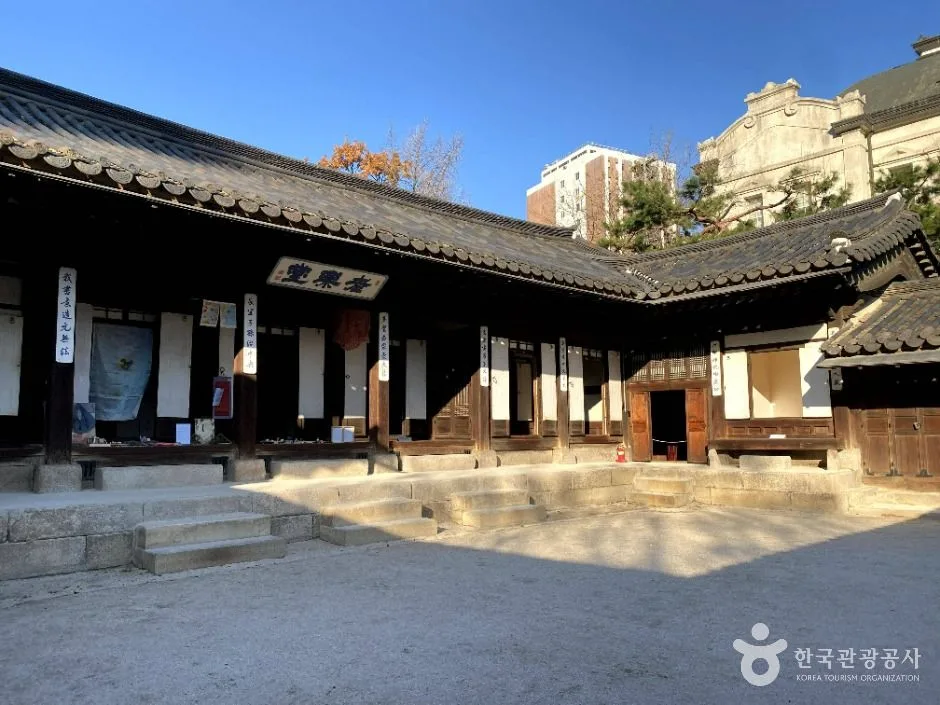
Several areas stood out for me during my exploration. Norakdang Hall is particularly noteworthy as it served as both a living space and a ceremonial hall. The intricate woodwork and serene gardens surrounding it add to its charm. Then there’s Irodang Hall, which offers another perspective on royal life.
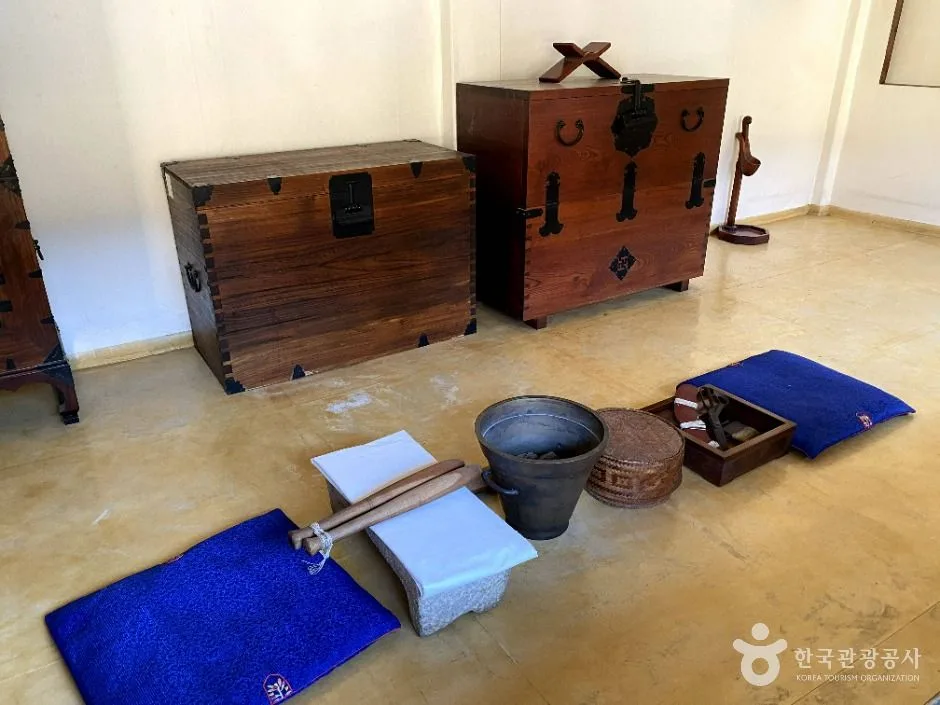
The exhibition hall also deserves mention; it displays various artifacts from the Joseon era. It provides context for what you see around you, enhancing your understanding of how life unfolded here centuries ago. Curious what you think about that.
How do I get to Unhyeongung Royal Residence?
Getting to Unhyeongung is straightforward. If you’re taking public transport, head towards Anguk Station (안국역) on Line 3; it’s about a 10-minute walk from Exit 1. Alternatively, you can take bus number 11 or 1020, both of which have stops nearby.
Once there, you’ll find that walking through the residence doesn’t take long—plan for about an hour or so if you want to take your time exploring each building and enjoying some photos along the way.
A few things to keep in mind
First off, check their operating hours before your visit: from April to October, it’s open from 09:00–19:00 and from November to March until 18:00; last admission is 30 minutes prior to closing time. Also note that they close on Mondays — if Monday happens to be a holiday, they’ll be closed the following business day too.
If you’re driving over, parking isn’t available here, so consider using public transport instead. On another note, while there’s no admission fee mentioned for entry when I visited last year (just double-check before heading out), cultural programs like traditional weddings might come at additional costs if you’re interested in participating.