Home›Tourist Spots›How to Make the Most of Your Visit to Five-story Stone Pagoda at Jeongnimsa Temple Site [UNESCO World Heritage] (부여 정림사지 오층석탑 [유네스코 세계문화유산])
How to Make the Most of Your Visit to Five-story Stone Pagoda at Jeongnimsa Temple Site [UNESCO World Heritage] (부여 정림사지 오층석탑 [유네스코 세계문화유산])
Click to generate audioFirst play may take 10-15 seconds
At a Glance: The Five-story Stone Pagoda at Jeongnimsa Temple Site offers a glimpse into Korea's architectural heritage and a peaceful cultural experience.
Not everyone will find the Five-story Stone Pagoda at Jeongnimsa Temple Site (부여 정림사지 오층석탑) appealing. If you prefer vibrant city life or fast-paced attractions, this UNESCO World Heritage site might not be your first choice. However, for those interested in history, architecture, or a serene escape into nature, this site is worth trying.
What makes the Five-story Stone Pagoda at Jeongnimsa Temple Site worth visiting?
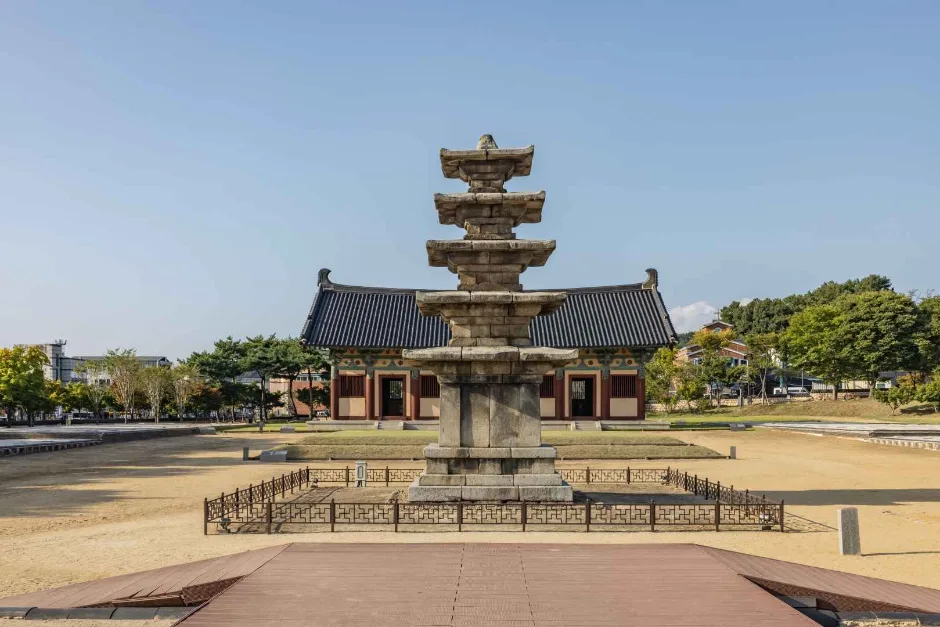
This granite pagoda dates back to the late Baekje period and stands as one of only two remaining pagodas from that era. Its refined features and unique architectural style provide insight into early Korean stone pagoda design. As you approach, you’ll appreciate the elegance of its five tiers, each intricately crafted.
Beyond just the pagoda itself, the surrounding area is rich in heritage. The site is part of a larger complex showcasing Baekje culture, making it an excellent spot for cultural exploration. If you’re lucky, you might catch glimpses of local flora and fauna during your visit, especially in spring when everything is in bloom. Curious what you think about that.
How do you get to the Five-story Stone Pagoda at Jeongnimsa Temple Site?
Reaching the pagoda is straightforward. If you’re driving, it’s located at 83 Jeongnim-ro, Buyeo-gun in Chungcheongnam-do. Free parking is available on-site. Public transport options include local buses that connect to Buyeo; check schedules as they can vary.
If you’re coming from Seoul or other major cities, consider taking a train to Gongju and then transferring to a bus towards Buyeo. The entire journey could take around two to three hours depending on connections.
What should you know before visiting?
The site operates from 9:00 AM to 6:00 PM from March to October and closes an hour earlier in winter months. Be aware that it’s closed on January 1st and during Seollal (Lunar New Year’s Day) and Chuseok (Korean Thanksgiving). Admission is free, which is a pleasant surprise considering the value of what you’ll see.
Facilities include restrooms and the Jeongnimsa Temple Museum nearby where you can delve deeper into the site’s history. Just a heads up though: while exploring, keep an eye out for signs directing you to various historical points around the site. Have you experienced something similar?
What else is nearby?
The area around Jeongnimsa offers additional attractions that complement your visit to the pagoda. The Buyeo National Museum is close by and provides further insights into Baekje history with various artifacts on display. Another notable site is Gudeok Pavilion, which provides stunning views of the surrounding landscapes.
If you’re feeling adventurous, consider hiking around Baekje Cultural Land — it’s not far from here and offers scenic trails that highlight the region’s natural beauty. So if you’re planning a cultural trip, combining these spots will give you a fuller understanding of Korea’s heritage.
![How to Make the Most of Your Visit to Five-story Stone Pagoda at Jeongnimsa Temple Site [UNESCO World Heritage] (부여 정림사지 오층석탑 [유네스코 세계문화유산])](https://travelkorea.co.kr/wp-content/uploads/2026/02/tourist-spot-20260214-093759-be14.webp)
![충남_부여_부여 정림사지 오층석탑 [유네스코 세계유산]03](https://travelkorea.co.kr/wp-content/uploads/2026/02/tourist-spot-20260214-093800-90bc.webp)
![충남_부여_부여 정림사지 오층석탑 [유네스코 세계유산]04](https://travelkorea.co.kr/wp-content/uploads/2026/02/tourist-spot-20260214-093800-8ef5.webp)
![충남_부여_부여 정림사지 오층석탑 [유네스코 세계유산]05](https://travelkorea.co.kr/wp-content/uploads/2026/02/tourist-spot-20260214-093800-4ff1.webp)
![충남_부여_부여 정림사지 오층석탑 [유네스코 세계유산]06](https://travelkorea.co.kr/wp-content/uploads/2026/02/tourist-spot-20260214-093800-4911.webp)
![충남_부여_부여 정림사지 오층석탑 [유네스코 세계유산]07](https://travelkorea.co.kr/wp-content/uploads/2026/02/tourist-spot-20260214-093801-cfba.webp)