Click to generate audioFirst play may take 10-15 seconds
At a Glance: The Gwangju Biennale Exhibition Hall is a key cultural site for contemporary art, showcasing both local and international artists.
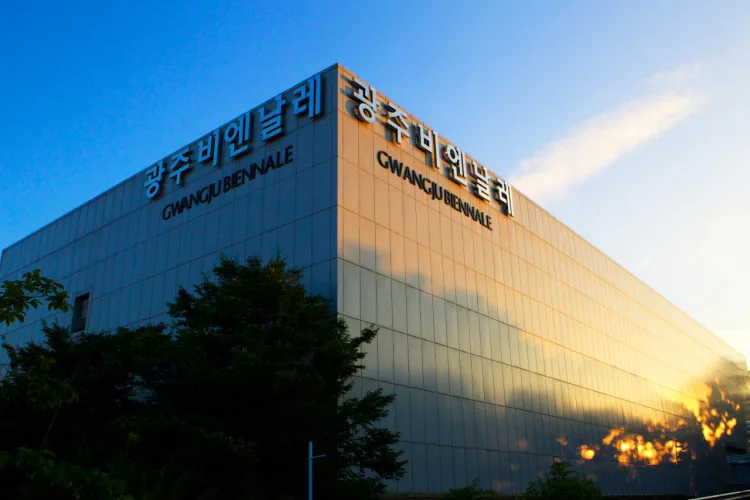
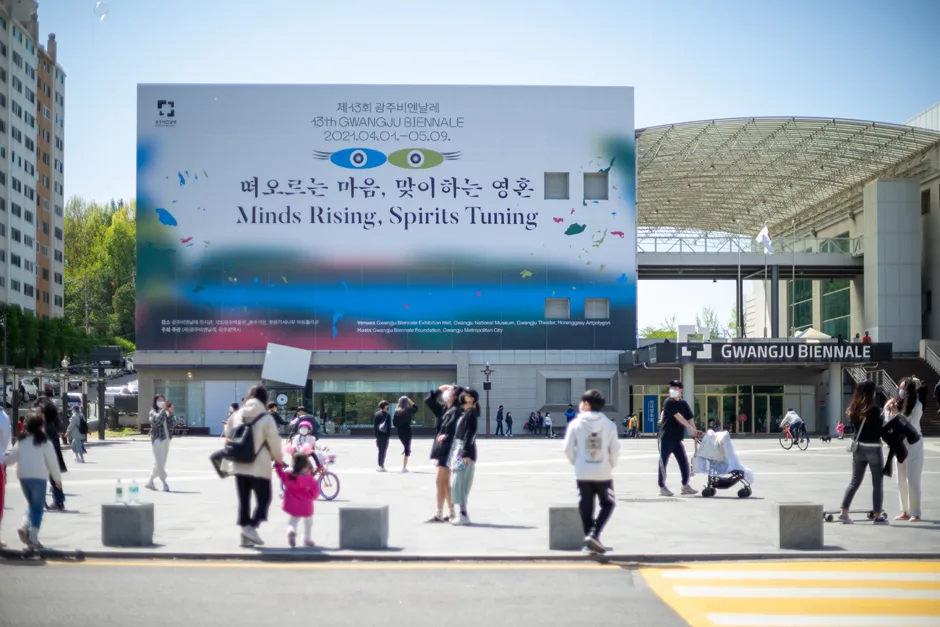
The Gwangju Biennale Exhibition Hall (광주비엔날레전시관) stands as a significant landmark in South Korea’s art scene. Established in 1994, this venue has played a crucial role in promoting contemporary art both locally and globally. It serves not just as an exhibition space but as a platform for cultural exchange and dialogue.
Why should travelers visit Gwangju Biennale Exhibition Hall (광주비엔날레전시관)?
This exhibition hall is essential for anyone interested in contemporary art. The facility hosts the renowned Gwangju Biennale, which occurs every two years, drawing artists and visitors from around the world. Even if you miss the main event, the ongoing exhibitions provide insight into current artistic trends.
The admission to the exhibition hall is free, making it an accessible option for budget-conscious travelers. I always appreciate places that prioritize accessibility without compromising quality. You might find yourself surprised by how thought-provoking some of the installations are. Worth knowing before you go.
What is the layout and what to see first?
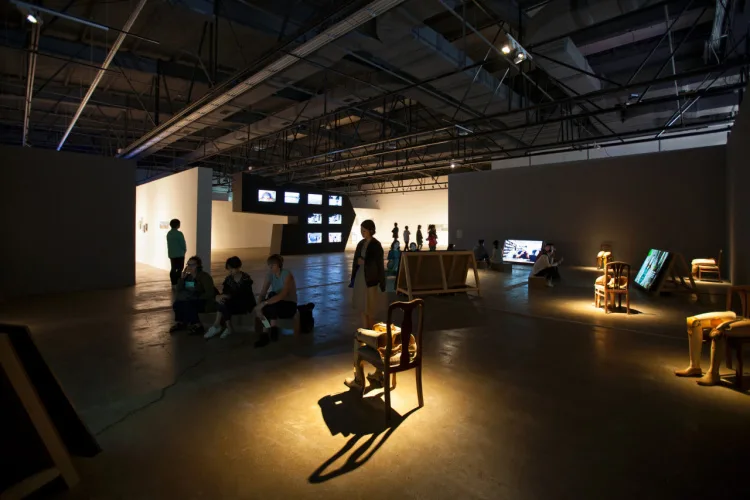
The layout of the Gwangju Biennale Exhibition Hall encourages exploration at your own pace. Upon entering, you’ll typically be greeted by large-scale installations that immediately capture attention. The central exhibition space often features thematic displays that change with each event cycle.
If you’re planning to visit, consider checking what exhibitions are currently being featured on their official website or by calling ahead at +82-62-608-4114 for program information. One thing to keep in mind is that some exhibitions may not resonate with everyone, so it’s best to have an open mind walking through. Something to consider when planning your trip.
Are there guided tours or English support?
The exhibition hall provides limited guided tours that can enhance your understanding of the artworks. If you need English support, inquire about materials available in English when you arrive. Most signage is in Korean and English, which makes navigating easier for foreign visitors.
But here’s the thing: availability of guided tours may vary based on events scheduled during your visit. It’s worth asking staff upon entry about any specific options available at that time.
What nearby places complement a visit here?
If you’re feeling peckish after all that culture, check out some local eateries within walking distance. There are plenty of spots serving traditional Korean dishes like 비빔밥 (Bibimbap) or 불고기 (Bulgogi). Honestly, nothing beats enjoying local food after immersing yourself in art!