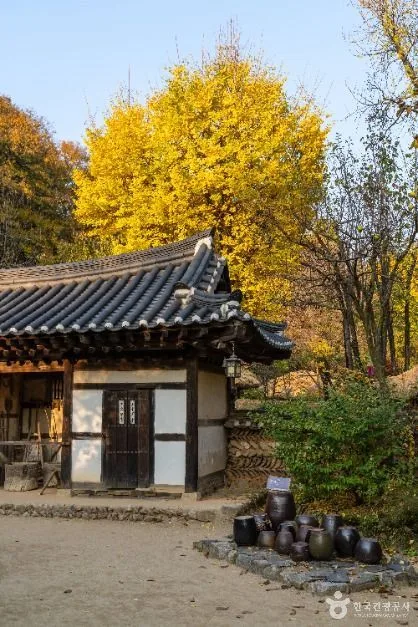
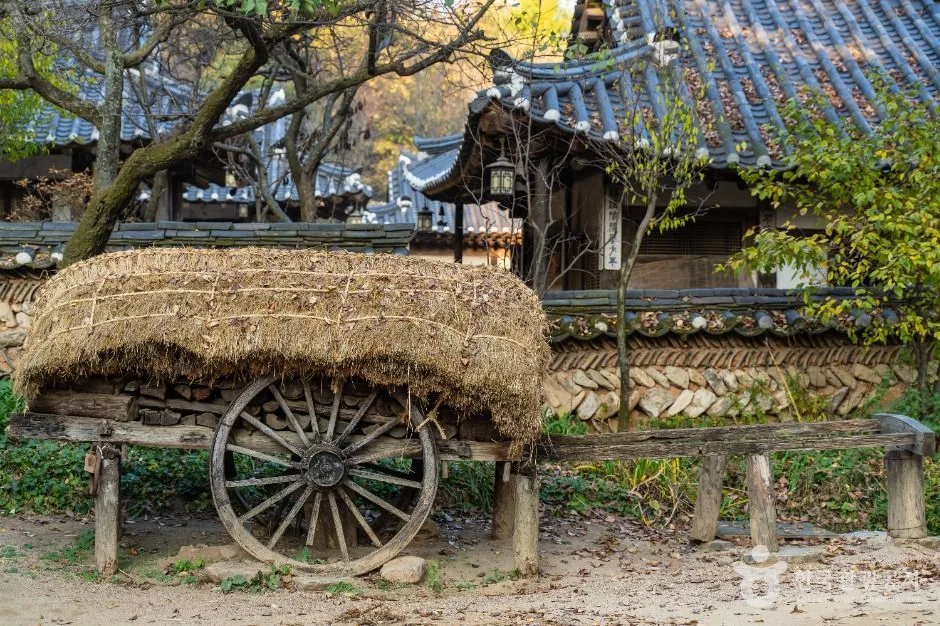
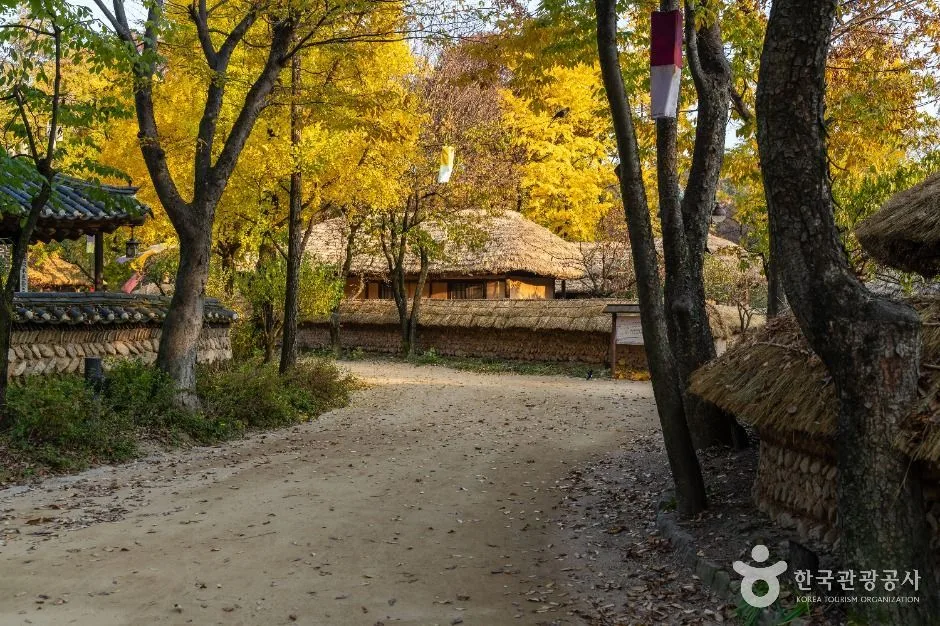
At a Glance: Korean Folk Village (한국민속촌) offers an immersive look into traditional Korean life from the late Joseon period.
Visiting the Korean Folk Village (한국민속촌) was a delightful surprise. I expected a simple museum, but found a lively re-creation of life in Korea during the late Joseon dynasty. From traditional houses to engaging performances, it brings history to life.
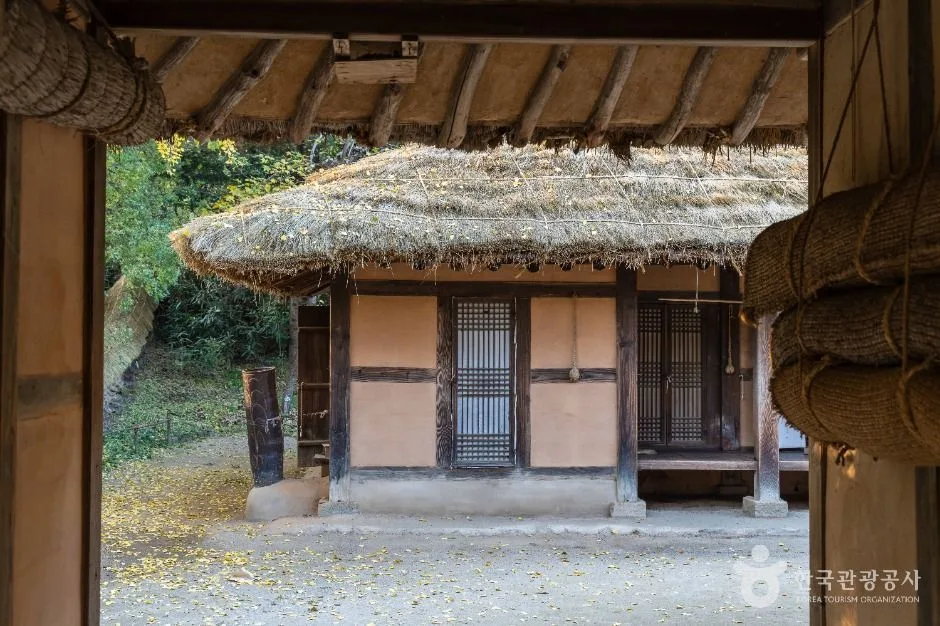
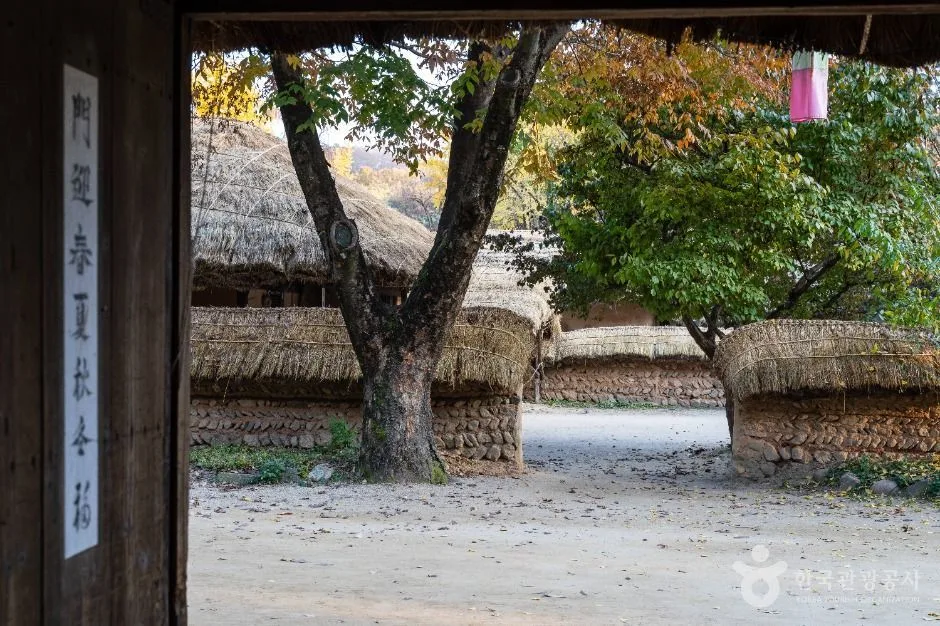
The Korean Folk Village showcases various aspects of traditional culture. You’ll find reconstructed homes that illustrate how people lived centuries ago, complete with thatched roofs and ondol heating systems. The village also hosts seasonal events and cultural classes where visitors can learn about shaman faith and local customs.
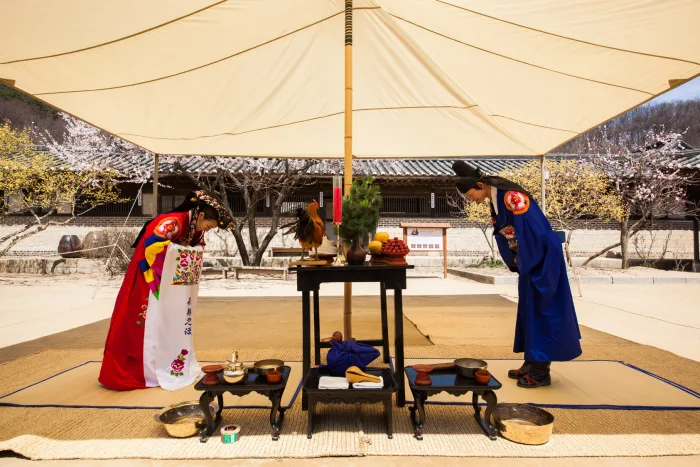
One highlight is the live performances, including folk music and martial arts on horseback. The “Welcome to Joseon” event is particularly engaging, transporting visitors back in time with reenactments of historical ceremonies. These performances change with the seasons, so there’s always something new to experience.
How do you get to Korean Folk Village (한국민속촌)?
Korean Folk Village is located at 90 Minsokchon-ro, Giheung-gu, Yongin-si in Gyeonggi-do. It’s about an hour’s drive from Seoul, making it accessible for day trips. If you’re using public transport, take the subway to Giheung Station (Line 1) and then catch a bus that goes directly to the village.
Parking is available on-site if you decide to drive. Just keep in mind that weekends can be busy due to family visits and tourists alike.
What should you keep in mind when visiting?
The village operates daily from 10:00 AM until 6:00 PM on weekdays and extends hours until 10:00 PM on Fridays and weekends. This makes it easy to fit into your travel itinerary no matter how packed your schedule is. There’s no entry fee specified here, but I recommend checking their official website or calling them at +82-31-288-0000 for any updates.
If you’re planning to explore the food options within the village, you can find various stalls offering traditional dishes like kimchi, Bibimbap, and more. While most foods are reasonably priced, be prepared for some tourist markups — not going to lie, some prices felt a bit steep compared to local markets.