Click to generate audioFirst play may take 10-15 seconds
At a Glance: Gwanghwamun Plaza (광화문 광장) offers a unique cultural and historical experience in Seoul, perfect for any time of day.
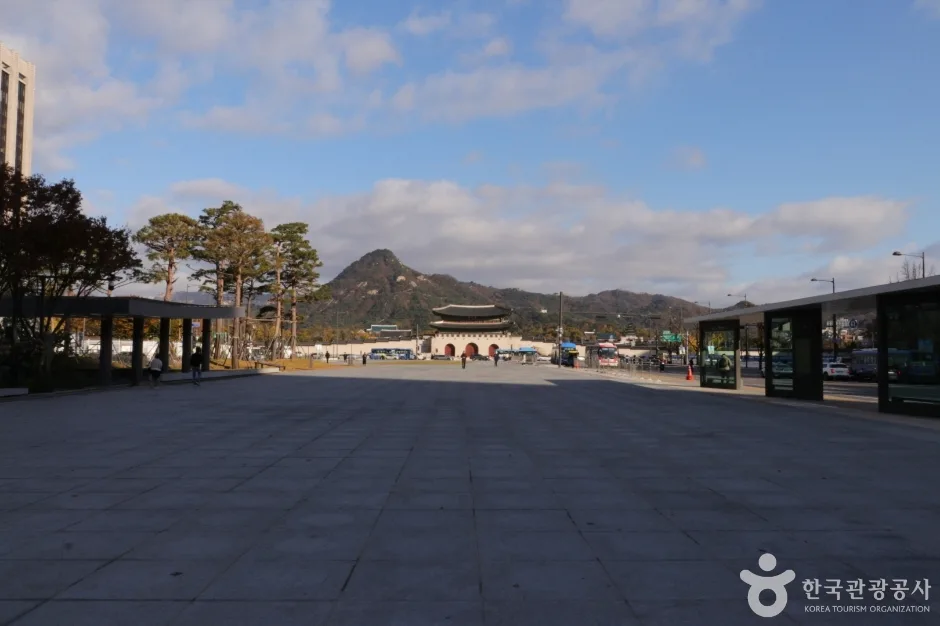
Visiting Gwanghwamun Plaza (광화문 광장) in the early morning has its own charm. The tranquility of the area is refreshing, with fewer crowds and the sun rising behind iconic landmarks like Gyeongbokgung Palace. Strolling through the plaza at this hour allows for peaceful reflection on South Korea’s history, especially as you admire statues and monuments that tell stories of the past.
What will you actually see at Gwanghwamun Plaza (광화문 광장)?
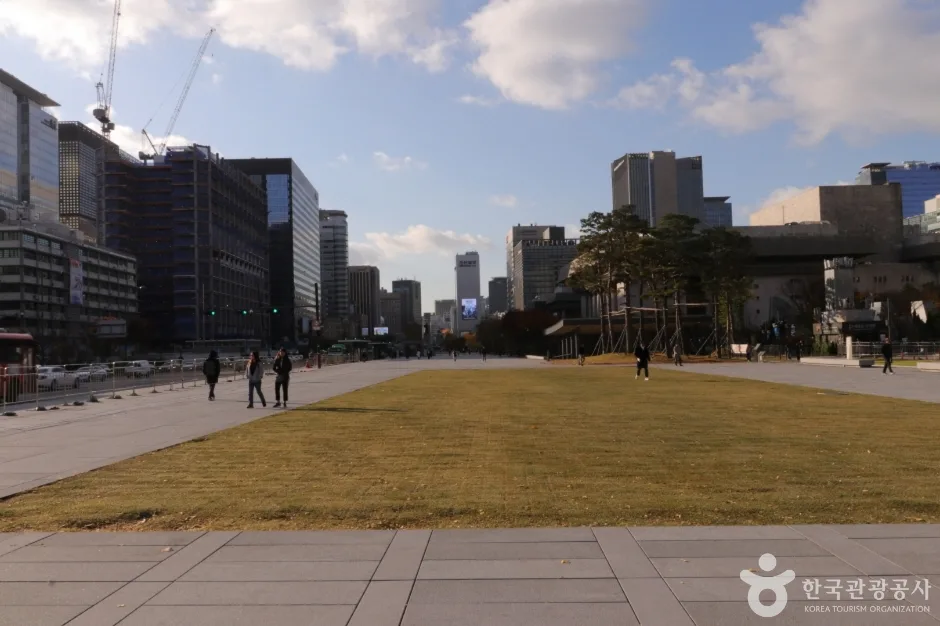
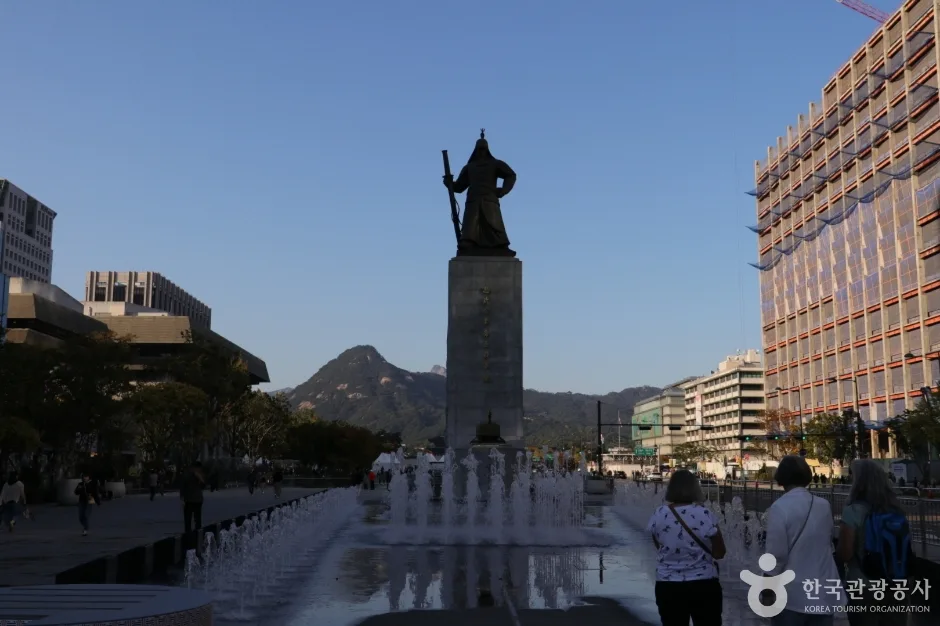
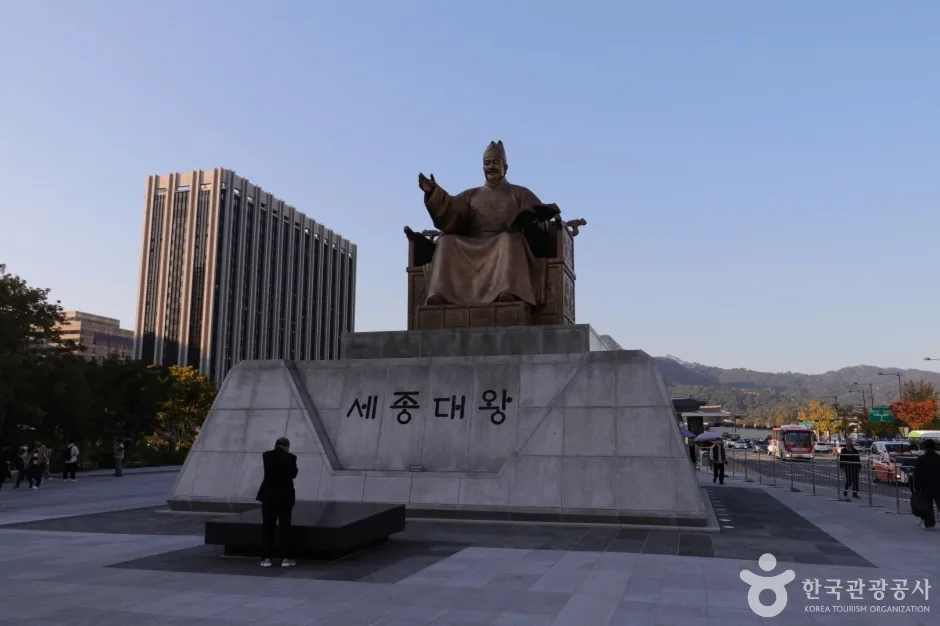
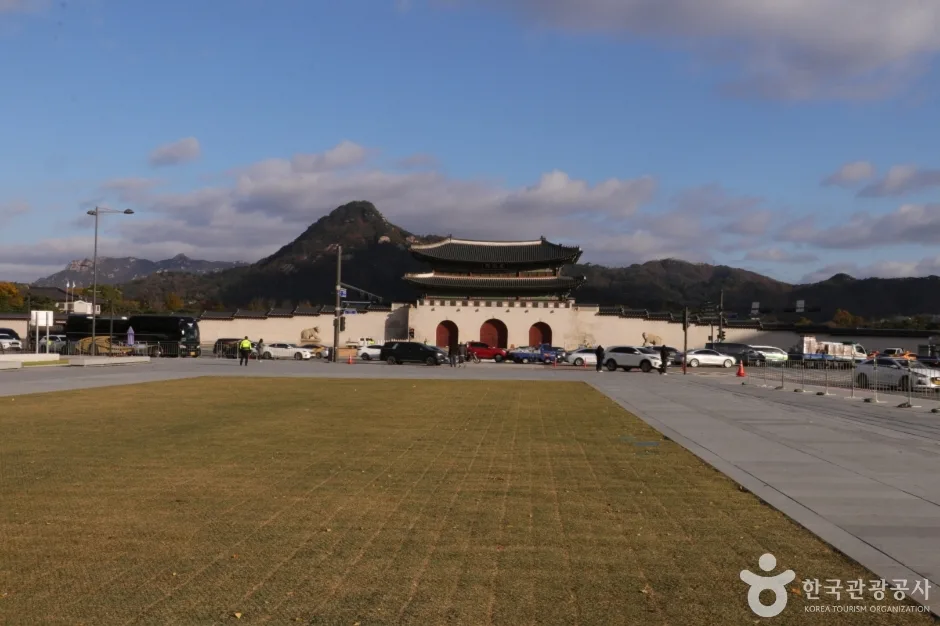
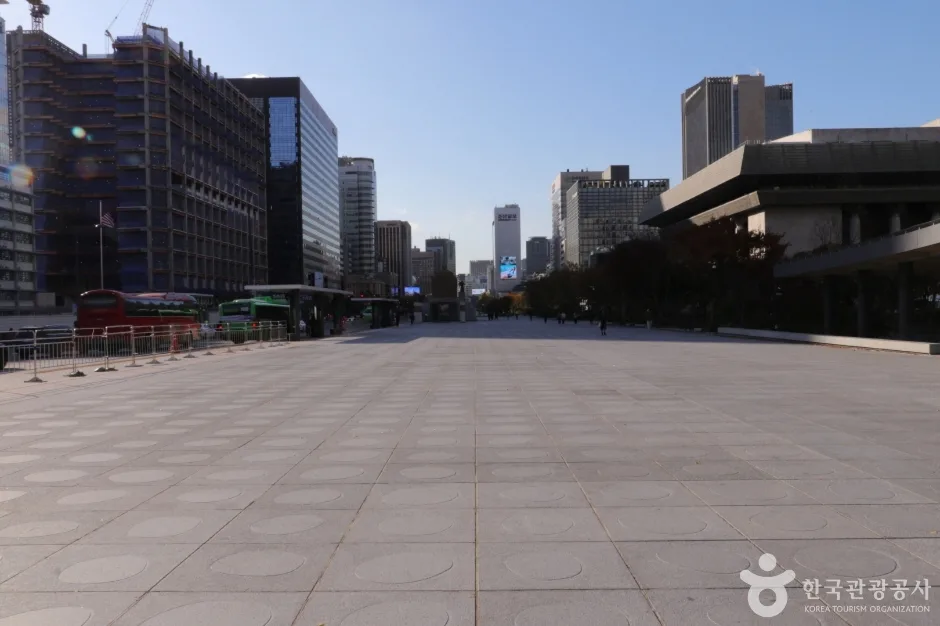
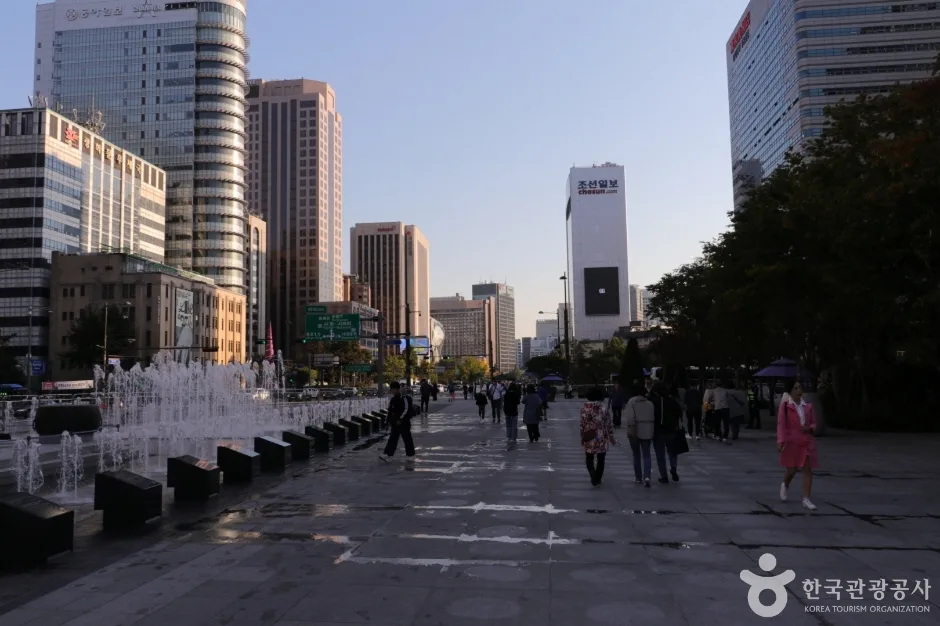
This expansive public space features several notable installations, including a central square, a flower carpet, and an impressive fountain. The plaza is home to the statue of King Sejong the Great, an important figure in Korean history known for creating the Korean alphabet. Nearby, you’ll find Woldae (Elevated Ceremonial Stage), which adds a modern touch to this historically rich area.
Additionally, there’s Haechi yard where you can see Haechi, a mythical creature symbolizing justice and prosperity. The layout reflects Yukjo Street from centuries ago — it’s interesting to see how they’ve restored this historical aspect with scale models. If you’re keen on photography or just want to take in beautiful scenery, Bugaksan Mountain serves as a stunning backdrop.
The best and worst parts
One of the best aspects of visiting Gwanghwamun Plaza is its accessibility; it’s open 24 hours year-round and free to enter. This makes it easy to fit into your travel schedule regardless of when you’re exploring Seoul. Facilities such as restrooms are conveniently available nearby.
On the downside, parking isn’t available if you’re driving here — so public transport is your best bet. Plus, depending on when you visit, it might get crowded during afternoons or weekends as locals come out to enjoy events or simply relax. Just something to keep in mind.
Practical info: hours, cost, and transport
Gwanghwamun Plaza is open 24 hours a day with no admission fees required. To get there using public transport, hop on Line 5 of the Seoul Subway and disembark at Gwanghwamun Station; it’s just a short walk from there. Buses also serve this area frequently if that’s more convenient for you.
If you’re planning your visit during peak hours like lunchtime or early evening after work hours, be prepared for larger crowds but also potentially more lively atmosphere with street performances adding flair to your visit.