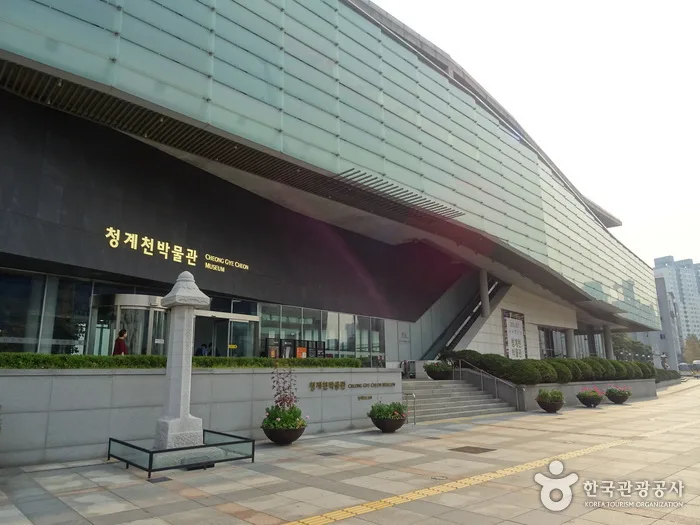
At a Glance: Cheonggyecheon Museum offers a unique insight into the transformation of Seoul's waterways, perfect for culture enthusiasts and history buffs.
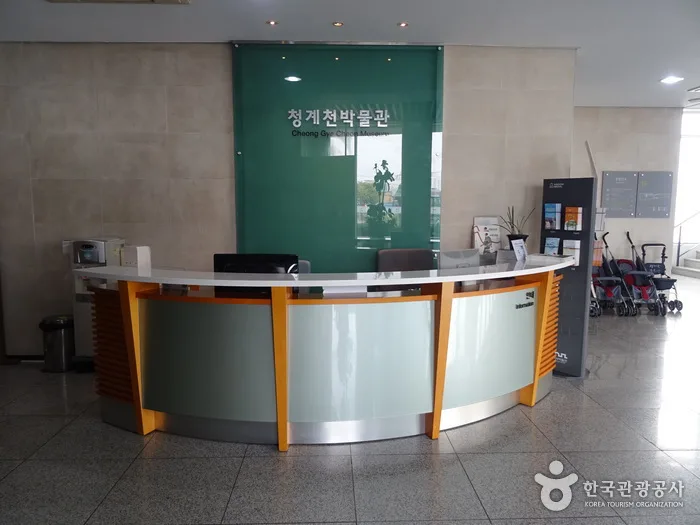
Located at 530, Cheonggyecheon-ro in Seongdong-gu, Seoul, Cheonggyecheon Museum (청계천박물관) is free to visit and provides a valuable glimpse into the history of one of the city’s most important urban revitalization projects. The museum is easily accessible via public transport; take Line 5 to Gwangnaru Station, which is just a short walk away.
What is Cheonggyecheon Museum (청계천박물관) and why does it matter?
Cheonggyecheon Museum officially opened in October 2005, highlighting the significance of the Cheonggyecheon Stream in Seoul’s landscape and development. This long glass structure symbolizes the water that flows through the city, emphasizing nature’s role in urban life. The museum serves as a cultural facility focused on exhibitions, education, and research related to this critical waterway.
The transformation of Cheonggyecheon from an overlaid highway back into a natural stream represents an impressive feat of urban renewal. It has not only revived local ecosystems but also created vibrant spaces for leisure and community gatherings. Visiting this museum gives you context for understanding these changes and their impact on daily life in Seoul. Just a thought.
A walkthrough of the main highlights
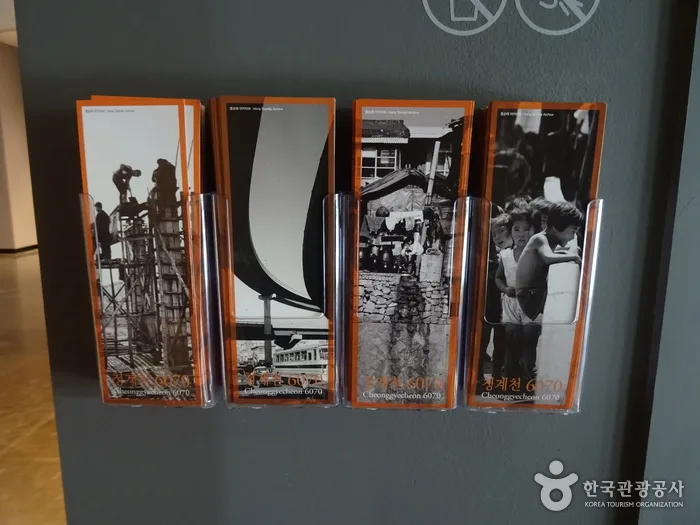
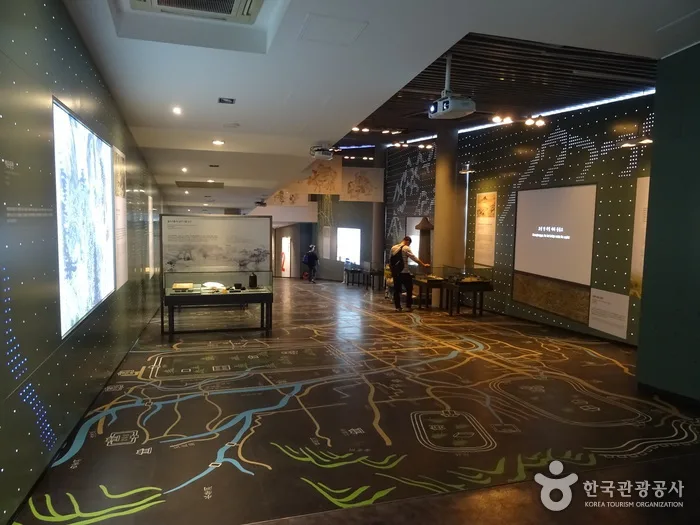
The museum features several sections including a permanent exhibition hall, special exhibition hall, educational space, and an auditorium. The permanent exhibition was remodeled in 2015 and presents various visual displays that contrast Seoul before and after the restoration of the Cheonggyecheon Stream.
Highlights include interactive displays that engage visitors with multimedia presentations about both historical events and environmental challenges faced by urban waterways. It’s well-organized for visitors of all ages—definitely a place where kids can learn while having fun. Let me know if you have a different experience.
- The educational hall regularly hosts workshops focused on water conservation and ecological education.
- If you’re interested in events or temporary exhibits, check their schedule since they often highlight local artists’ works related to environmental themes.
Is it engaging for non-Korean visitors?
Absolutely. While some information may be presented primarily in Korean, many exhibits include English descriptions that make them accessible to international visitors. Moreover, the visual elements are designed to tell stories without relying solely on text.
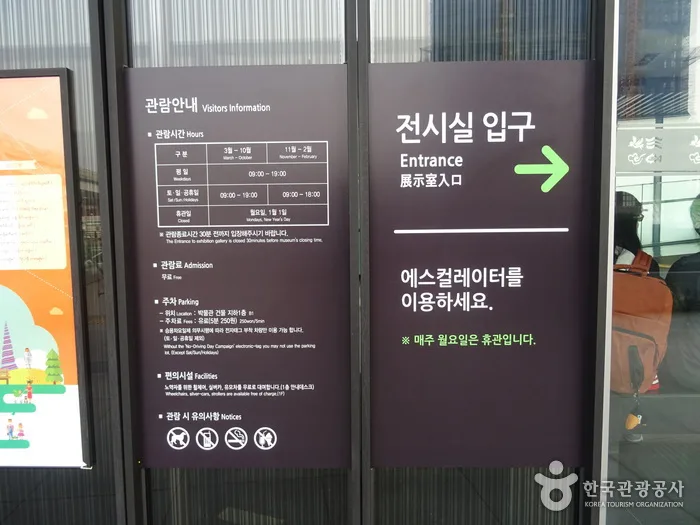
From what I saw, you might be wondering if an hour is enough time to explore; honestly, I found that amount adequate unless you’re particularly drawn to each exhibit or want to participate in guided activities. Remember that last admission is always 30 minutes before closing—so plan accordingly!
How can you get there?
If you’re driving, small vehicle parking is available for about ₩250 (about $0.19 USD) every five minutes; expect limited space as only about 40 cars can park at once. Public transport remains your best bet—aside from Gwangnaru Station on Line 5 mentioned earlier, several bus routes service nearby areas making it convenient for those navigating through Seoul’s extensive transit system.
Practical tips for visiting
The museum operates from March through October from 9:00 AM to 7:00 PM daily except Mondays and New Year’s Day. During winter months (November-February), hours are slightly reduced on weekends when it closes at 6:00 PM.
Cultural etiquette suggests being quiet while exploring public spaces like museums—and don’t forget that tipping isn’t customary here if you’re considering dining nearby after your visit!
Photo Gallery
Essential Information
| Address | 530, Cheonggyecheon-ro, Seongdong-gu, Seoul |
|---|---|
| Phone | +82-2-2286-3410 |
| Website | museum.seoul.go.kr |
| Operating Hours | March-October: 09:00-19:00 November-February: Weekdays 09:00-19:00 / Weekends 09:00-18:00 * Last admission is 30 min before closing |
| Closed | Mondays, New Year’s Day |
| Admission / Fee | Free |
| Parking | Available (Small vehicles: 40 cars) |
| Parking Fee | 250 won for 5 min |
| Inquiries | • 1330 Travel Hotline: +82-2-1330 (Korean, English, Japanese, Chinese) • For more info: +82-2-2286-3410 |
| Duration | Approx. 1 hr |
| Scale | Lot Area 2,484 ㎡ Building Floor Area 5,715 ㎡ (B2-4F) Exhibition Area 1,909 ㎡ |
| Map | View on Google Maps |
Additional Details
Exhibition, education, cultural events, research, etc.
Frequently Asked Questions
What are the operating hours for Cheonggyecheon Museum?
The museum operates from March to October daily from 9:00 AM to 7:00 PM; during winter months (November-February), it opens weekdays until 7:00 PM and weekends until 6:00 PM.
Is there an admission fee?
Nope! Entry to Cheonggyecheon Museum is completely free.
How can I get there using public transportation?
You can take Line 5 to Gwangnaru Station; it’s just a short walk from there. Various bus routes also serve nearby areas.
Useful Korean Phrases
Tap to expand
Nearby Recommendations
Explore more places within 5km of this location
Nearby Restaurants
- Starbucks Gyeongdong Market (스타벅스 경동1960)917m3 Gosanja-ro 36-gil, Dongdaemun-gu, Seoul
- Mosim (모심)1.8km8 Gaeunsa-gil, Seongbuk-gu, Seoul
- Mabongrim Halmeonijip (마복림할머니집)2km5, Dasan-ro 35-gil, Jung-gu, Seoul
Nearby Accommodation
- Stay Passport Sindang Ryokan (스테이 패스포트 신당 료칸)1.3km33 Nangye-ro 11-gil, Jung-gu, Seoul
- Hotel The Designers - Cheongnyangni Branch (호텔 더 디자이너스 청량리)1.6km226, Wangsan-ro, Dongdaemun-gu, Seoul
- HOTEL QB (호텔큐비(호텔QB))1.9km322-10 , Jong-ro, Jongno-gu, Seoul
Nearby Attractions
- Seoul Folk Flea Market - Traditional Arts & Crafts Studio (서울풍물시장 전통문화체험관)873m21, Cheonho-daero 4-gil, Dongdaemun-gu, Seoul
- Maria Fertility Hospital (마리아병원)908m20 Cheonho-daero, Dongdaemun-gu, Seoul
- YOU&I Clinic Wangsimni (유앤아이의원 왕십리점)1.1km2nd–3rd Floor, Handong Tower, 315 Wangsimni-ro, Seongdong-gu, Seou