Click to generate audioFirst play may take 10-15 seconds
At a Glance: Bongjeongsa Temple offers a deep dive into Korea's Buddhist heritage, showcasing the country's oldest wooden structure.
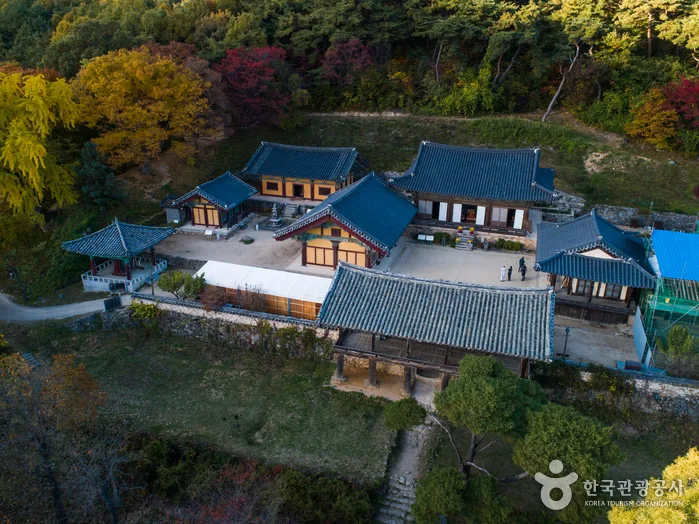
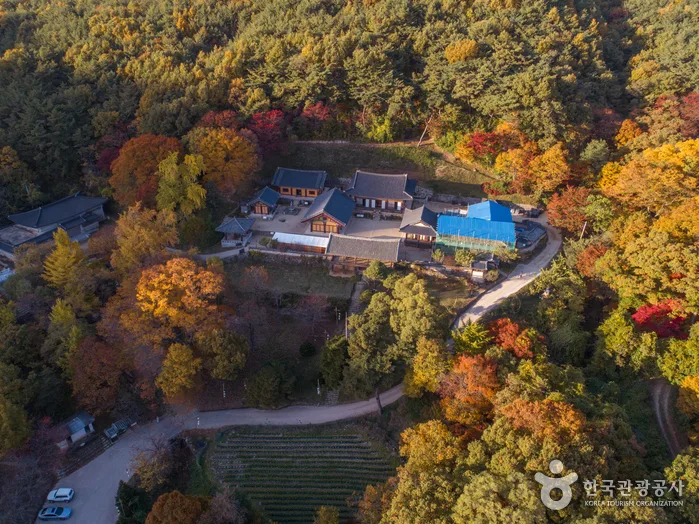
Bongjeongsa Temple (봉정사) stands as a testament to Korea’s rich Buddhist culture and is recognized as a UNESCO World Heritage Site. Located in Andong, Gyeongsangbuk-do, it attracts those interested in history and spirituality alike. The temple is not just an architectural marvel; it’s also a peaceful retreat surrounded by nature.
What makes Bongjeongsa Temple [UNESCO World Heritage] (봉정사 [유네스코 세계문화유산]) worth visiting?
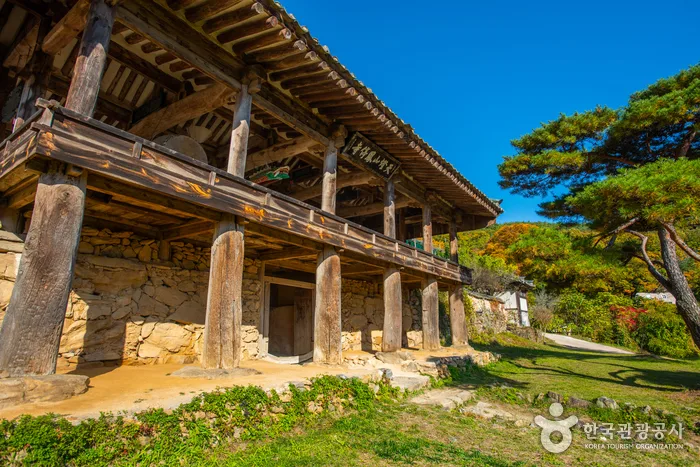
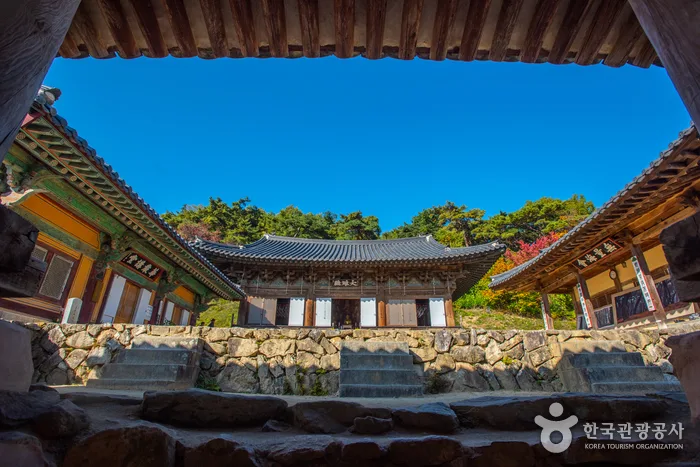
The temple’s historical significance is profound. Believed to have been founded in 672 by Great Monk Uisang, its most notable feature is Geungnakjeon Hall, which is recognized as the oldest wooden building in Korea. This hall was discovered to have been repaired as early as 1363 during reconstruction efforts in 1972.
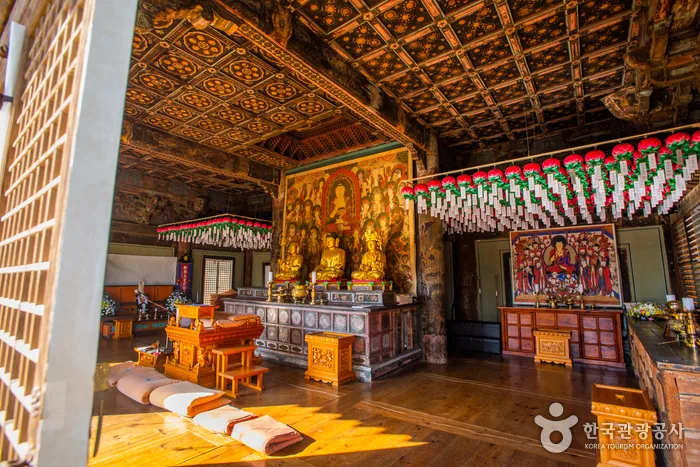
Visitors will appreciate the intricate woodwork and serene surroundings that offer a glimpse into traditional Korean architecture. Despite its age, the temple retains an air of tranquility that’s hard to find elsewhere. I found myself captivated by the details of the buildings and the calm atmosphere; it felt like stepping back in time.
How do you get to Bongjeongsa Temple [UNESCO World Heritage] (봉정사 [유네스코 세계문화유산])?
Reaching Bongjeongsa Temple can be done via public transport or car. If you’re taking public transit, you can catch a bus from Andong Bus Terminal that heads towards Bongjeongsa; this ride takes about 30 minutes. Alternatively, if you’re driving, there’s parking available right at the temple entrance.
Honestly, keep in mind that while navigating rural areas might be new for some travelers, Google Maps generally provides accurate directions here. If you’re unsure about schedules or routes, consider asking locals—most are friendly and willing to help.
What should you know before visiting Bongjeongsa Temple [UNESCO World Heritage] (봉정사 [유네스코 세계문화유산])?
A few practical tips can enhance your visit. First off, there are no interpretation services available on-site, so brushing up on some basic history beforehand might enrich your experience. Also, be prepared to remove your shoes before entering any buildings—a common practice at temples throughout Korea.
if you want amenities, remember that tipping isn’t expected at temples or restaurants nearby; however, water is usually free if offered by staff. One thing that bugged me a little was the lack of clear signage around certain areas of the temple grounds—so keep your eyes peeled for what interests you!
What else is nearby?
The surrounding area has other attractions worth checking out. Andong itself is known for its traditional culture; don’t miss out on visiting Hahoe Folk Village (하회마을), just a short drive away from Bongjeongsa Temple. This UNESCO site showcases traditional Korean houses and offers cultural performances.
You might also want to explore local eateries offering authentic dishes like bibimbap (비빔밥) or kimchi (김치), both staples of Korean cuisine. Trust me on this one: trying these dishes will give you more insight into Korean culture than any guidebook ever could.
![Bongjeongsa Temple [UNESCO World Heritage] (봉정사 [유네스코 세계문화유산]) Travel Guide: Honest Review and Tips](https://travelkorea.co.kr/wp-content/uploads/2026/02/tourist-spot-20260214-032959-e1f1.webp)