Click to generate audioFirst play may take 10-15 seconds
At a Glance: Dorisa Temple in Gumi offers a serene retreat with historical significance and unique cultural assets, making it worth a visit.
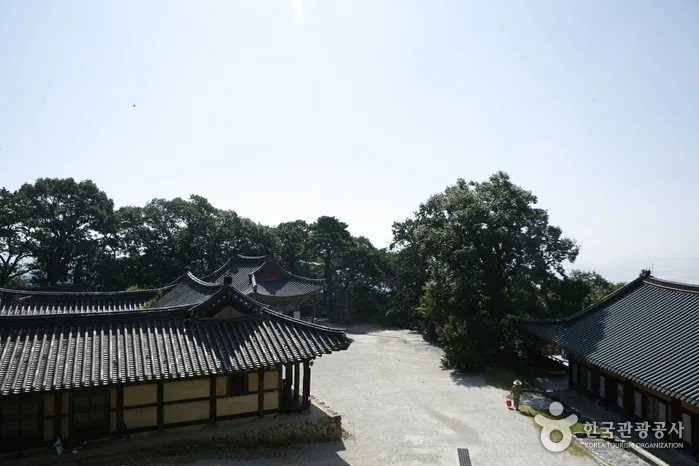
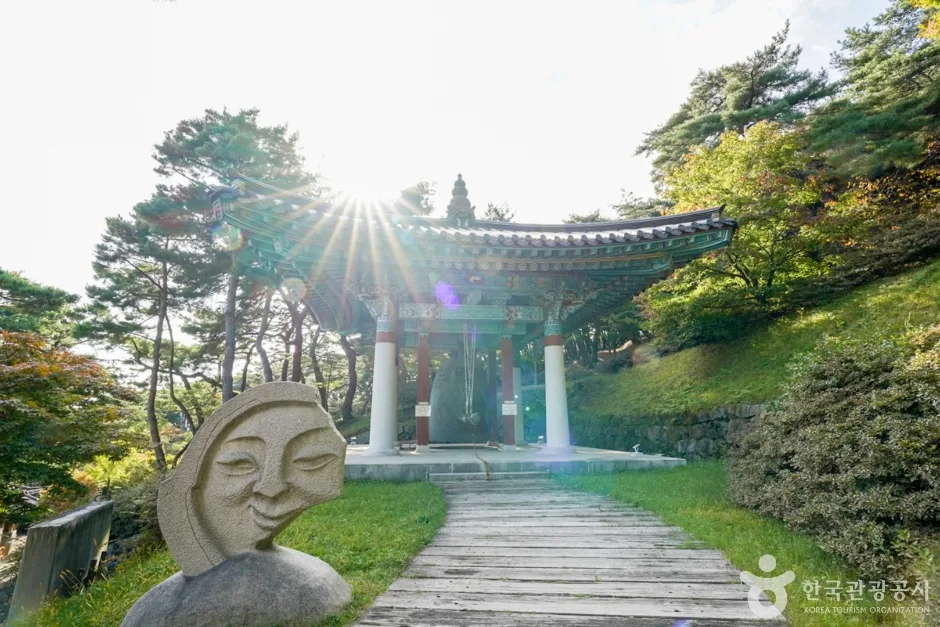
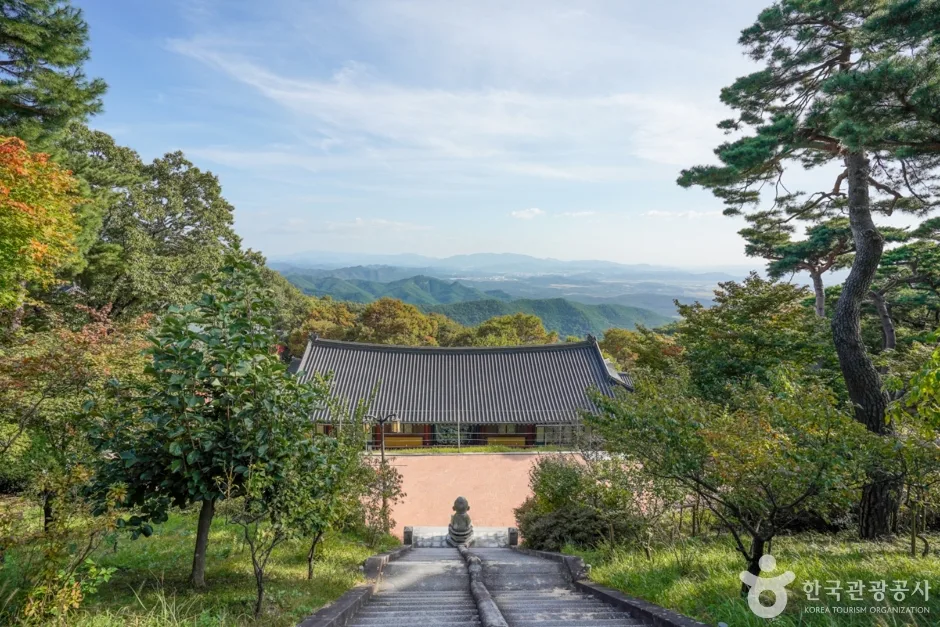
When talking about temples in Korea, many tourists often flock to the more famous ones in larger cities. Locals, however, cherish Dorisa Temple (도리사) for its tranquility and scenic beauty. Nestled on Naengsan Mountain, this site has a rich history that dates back to 417 AD and is known as the first temple of the Silla dynasty.
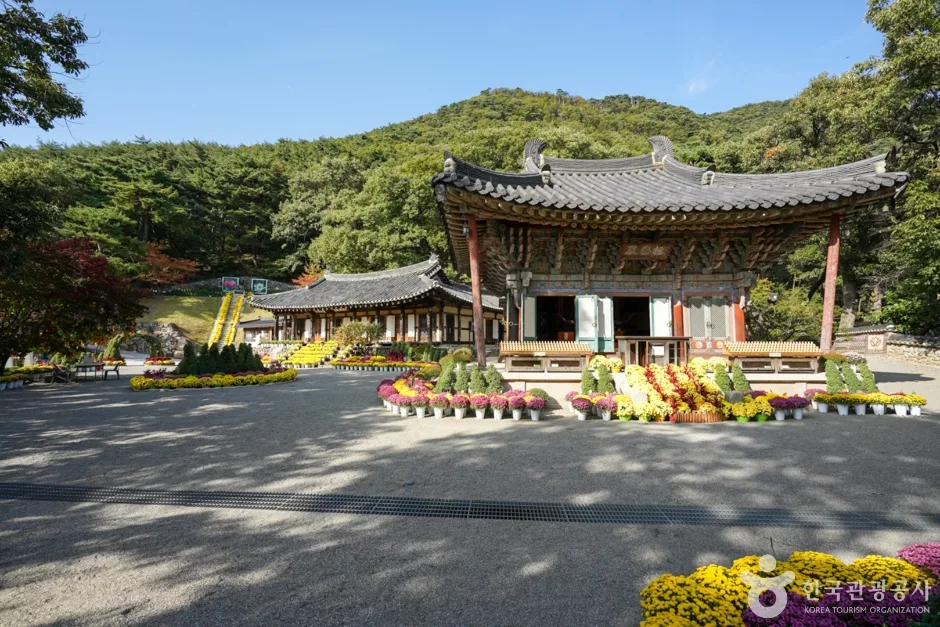
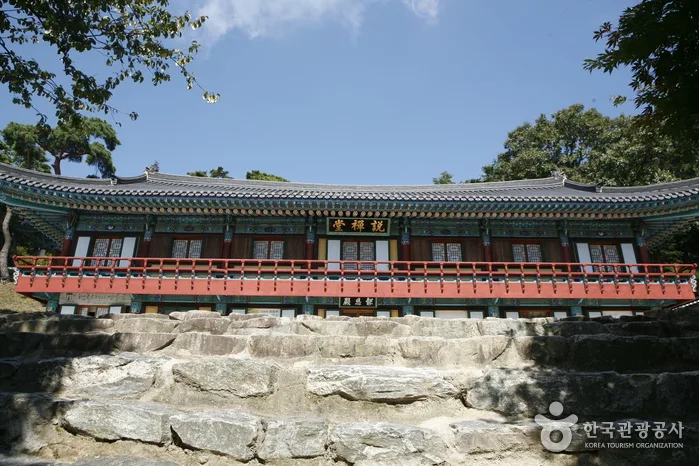
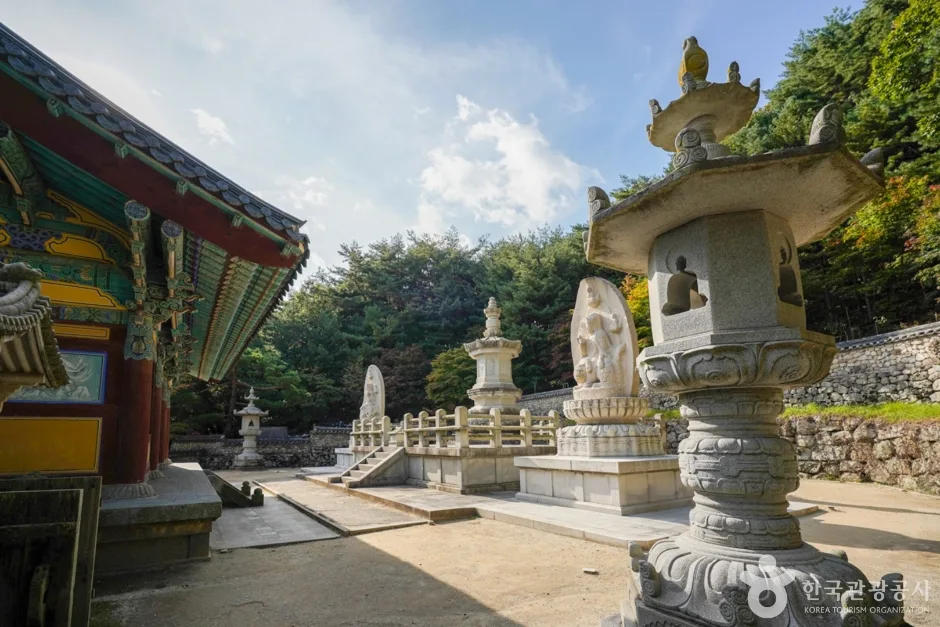
Dorisa Temple is not just another temple; it’s steeped in legend. The name itself combines syllables from the Korean words for peach (도, do) and plum (리, ri), which signify its auspicious past where these blossoms reportedly bloomed even during winter. The temple houses notable structures like Geungnakjeon Hall and a distinctive Stone Pagoda made from bricks. Additionally, there’s the Wooden Seated Amitabha Buddha crafted from juniper wood, which makes for an impressive sight.
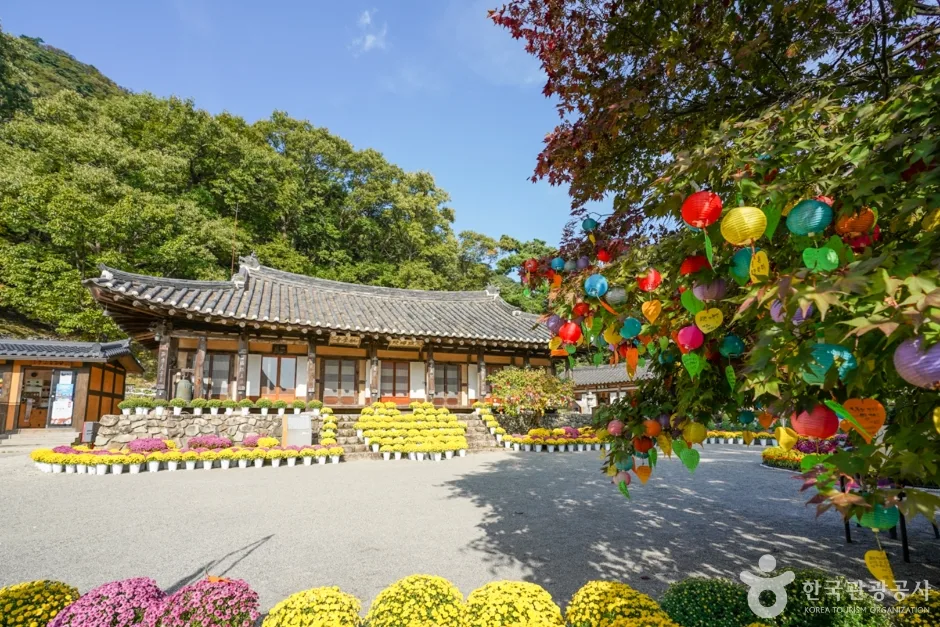
Between you and me, the ambiance here is calming, good for those looking to escape the hustle and bustle of city life. It’s also an active place for spiritual practice with templestay programs available—this allows visitors to immerse themselves in Buddhist culture through one-day, experience, or relaxation stays.
Is it worth the trip to Dorisa Temple?
Absolutely. The temple’s serene environment is an excellent spot for reflection and meditation. If you’re interested in Korean culture or Buddhism, visiting Dorisa Temple will provide valuable insights into local customs and architectural styles. Plus, admission is free.
Another draw is its accessibility; it’s open 24 hours year-round so you can visit at your convenience without worrying about closing times. I found early morning visits especially rewarding as the surroundings are peaceful and offer a chance to enjoy nature before other visitors arrive.
How to plan your visit to Dorisa Temple?
To reach Dorisa Temple from Gumi city center, you can take a taxi or drive; parking is available onsite which makes it hassle-free. For public transport enthusiasts, there are bus routes that connect Gumi city center directly to Haepyeong-myeon where the temple is located.
If you’re considering participating in one of their templestay programs, prices range between ₩20,000-70,000 (about $15-52 USD). It’s wise to call ahead at +82-54-474-3737 if you want specific details about booking these experiences or any special events that might be occurring during your visit. I thought that was a nice touch.
What I would do differently next time?
If I’m being honest, I’d dedicate more time than I initially planned for this visit. While it’s easy to see the main attractions quickly—like Geungnakjeon Hall—I felt rushed trying to capture everything in one afternoon. Planning a templestay could allow deeper engagement with both the surroundings and the cultural practices of Buddhism.
You might also want to check out nearby attractions such as Nakdong River or explore some hiking trails around Naengsan Mountain if you’re into outdoor activities. Combining these sites with your trip can turn a simple day trip into a memorable adventure filled with diverse experiences.