Click to generate audioFirst play may take 10-15 seconds
At a Glance: The Archaeological Site in Seokjang-ri, Gongju (공주 석장리 유적) offers a fascinating glimpse into Korea's Old Stone Age through extensive excavations and artifacts.
Visiting the Archaeological Site in Seokjang-ri, Gongju (공주 석장리 유적) was an eye-opening experience that surpassed my expectations. I imagined a small area with just a few artifacts, but instead, I found a rich collection of historical evidence showcasing ancient life over thousands of years. The site is significant not only for its archaeological value but also for how it connects modern visitors with Korea’s distant past.
What was my first impression of the Archaeological Site in Seokjang-ri?
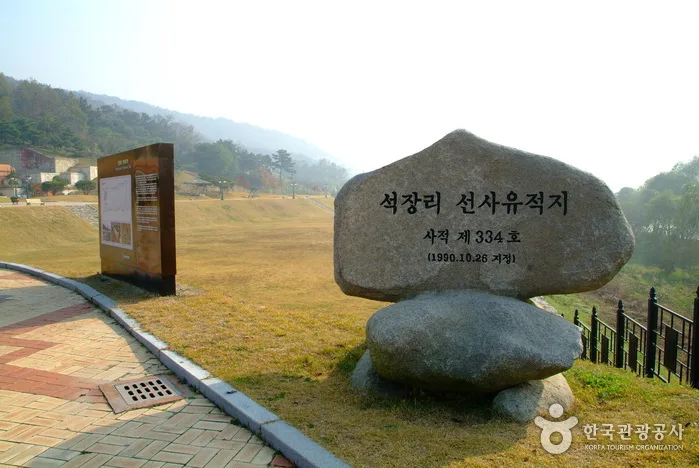
Upon arriving at the site, I was struck by its serene location along the northern banks of the Geumgang River. The surrounding landscape is beautiful and adds to the site’s allure. As I approached, I noticed various signs highlighting its importance as a designated Historic Site No. 334, which made me eager to explore further.
What parts of the site stood out to me?
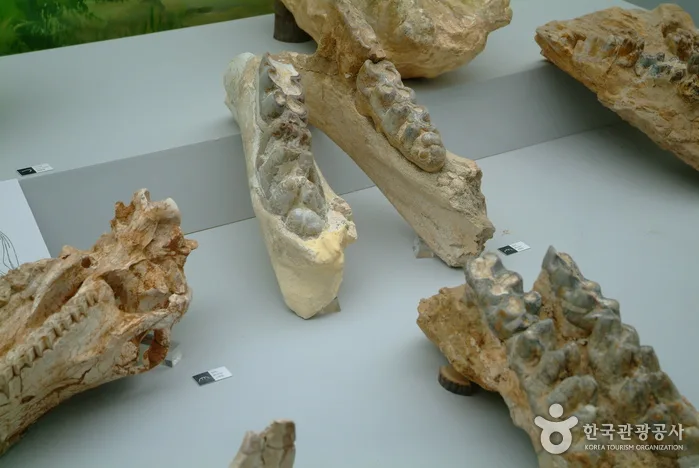
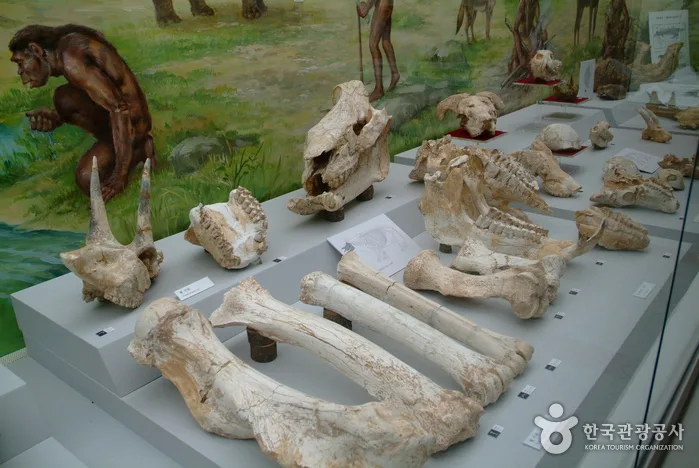
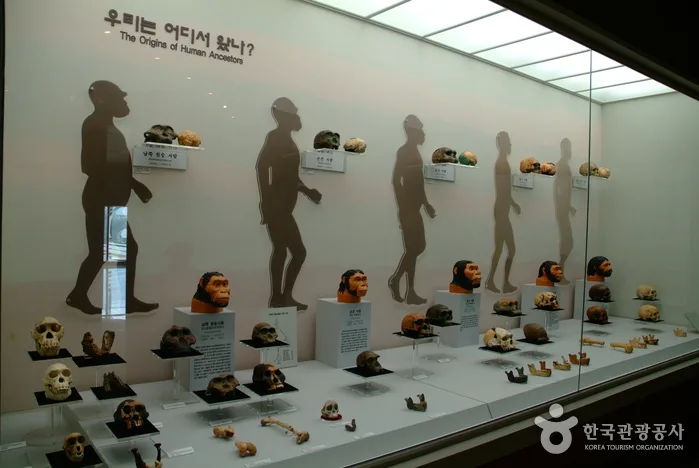
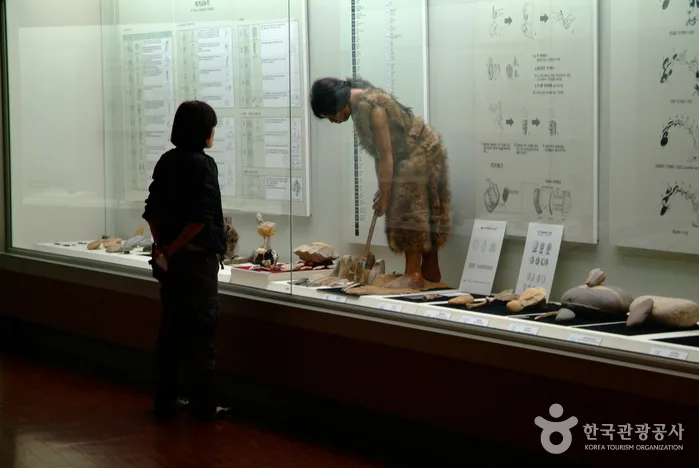
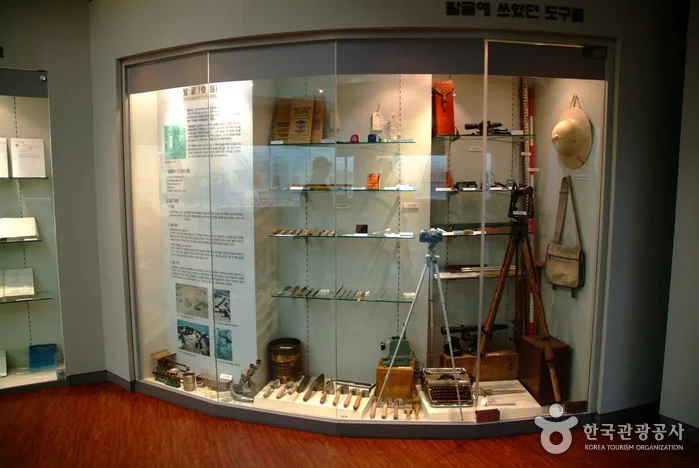
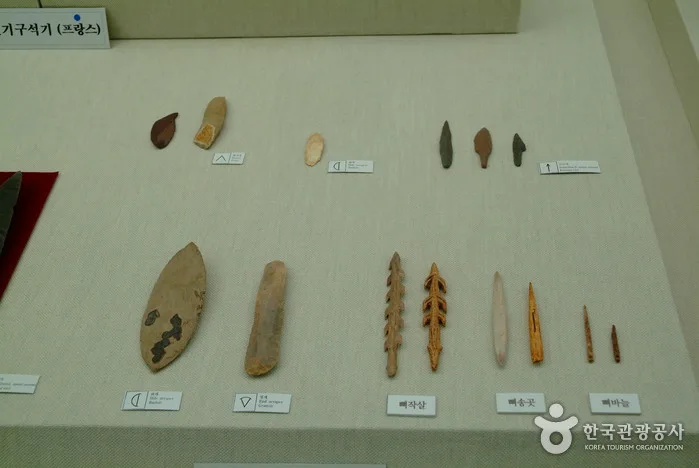
The most intriguing aspect is the museum that displays numerous artifacts uncovered during excavations from 1964 to 1974 and later digs in 1990 and 1993. You can see items dating back through 11 cultural eras, which illustrates how human life evolved here over millennia. Honestly, this caught me off guard; I didn’t expect such an extensive range of exhibits.
Walking through the museum also provided deeper insights into daily life during Korea’s Old Stone Age. The staff are knowledgeable and eager to answer questions about various relics, making your visit more engaging. One thing that bugged me a little was that some signage could have been clearer for those unfamiliar with Korean history.
How do you get to Archaeological Site in Seokjang-ri?
The site is conveniently located about 6 kilometers from downtown Gongju. If you’re driving, parking is available on-site which makes it easy for visitors. Alternatively, public transportation options include local buses that connect Gongju city center to nearby stops.
A few things to keep in mind when visiting
The museum operates daily but does close on certain holidays such as Seollal (Lunar New Year’s Day) and Chuseok (Korean Thanksgiving Day). Admission fees are quite reasonable: adults pay ₩1,300 (about $1 USD), teenagers ₩800 (about $0.60 USD), and children ₩600 (about $0.45 USD). For groups of 20 or more people, there are discounted rates.
If you need assistance while exploring or have questions about exhibits, feel free to ask the staff—most speak English along with Korean—and they can offer additional context about what you’re seeing.