Click to generate audioFirst play may take 10-15 seconds
At a Glance: Dutasan Mountain (두타산) offers stunning natural beauty and excellent hiking opportunities in South Korea's Gangwon-do province.
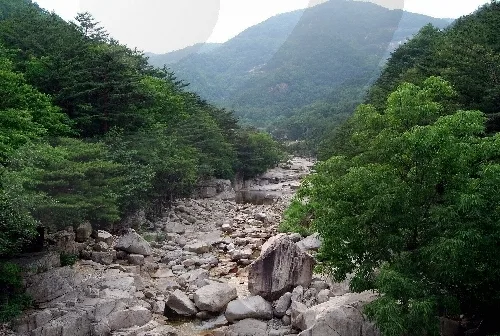
Arriving at Dutasan Mountain (두타산) is like stepping into a postcard. The scenery is breathtaking, with jagged peaks and lush greenery that feels untouched by time. I remember taking a deep breath, feeling the crisp mountain air fill my lungs, and it was invigorating.
What was my first impression of Dutasan Mountain (두타산)?
The first sight of Dutasan Mountain is striking. Its towering height and steep slopes are quite impressive. Standing at the base, I felt a mix of excitement and anticipation about the hike ahead. It’s one of those places where nature’s raw beauty hits you instantly.
What parts of Dutasan Mountain (두타산) stood out to me?
The panoramic views from the summit are definitely the highlight. After a moderately challenging hike, you’re rewarded with sweeping vistas of the surrounding landscapes, including nearby Donghae-si and Samcheok-si. There are several viewpoints along the trail where you can pause and soak it all in.
The diverse flora also caught my attention. Along the trails, I spotted various wildflowers blooming in vibrant colors. And if you’re lucky, you might even see some wildlife, such as deer or different bird species. It’s a reminder of how alive this place really is.
How do I get to Dutasan Mountain (두타산)?
Getting to Dutasan Mountain is quite straightforward if you’re traveling from nearby cities. From Donghae-si, you can take a local bus or taxi directly to the trailhead. The bus ride typically takes about 30 minutes, and it’s quite affordable. If you’re driving, there are parking facilities available near the entrance to the park.
Once you’re at the trailhead, prepare for a hike that takes approximately 3-4 hours round trip depending on your pace. The trails are well-marked but can be steep in certain sections, so good footwear is essential.
What should I keep in mind when visiting?
One important thing to note is that there aren’t many facilities once you start your hike. It’s wise to bring plenty of water and some snacks with you. Additionally, mobile service can be spotty along certain parts of the mountain, so download maps or guides beforehand if you rely on your phone.
Culturally speaking, hiking etiquette is key here—be respectful of fellow hikers by keeping noise levels down and not blocking trails when stopping for photos or breaks. Also, remember that tipping is not customary in Korea; this applies to any services you might encounter during your visit. That part surprised me.
If you’re considering visiting during peak seasons like fall for the foliage or spring for wildflowers, expect larger crowds on weekends. If possible, try to go during weekdays for a more peaceful experience.