Click to generate audioFirst play may take 10-15 seconds
At a Glance: Bonggoksa Temple (봉곡사) offers a serene escape with rich Buddhist heritage, nestled in the tranquil Bongsusan Mountain.
Not every traveler will find Bonggoksa Temple (봉곡사) appealing. if you want lively markets or urban excitement, this might not be your cup of tea. However, if you seek tranquility and a chance to connect with nature while exploring Buddhist culture, this temple is worth your time.
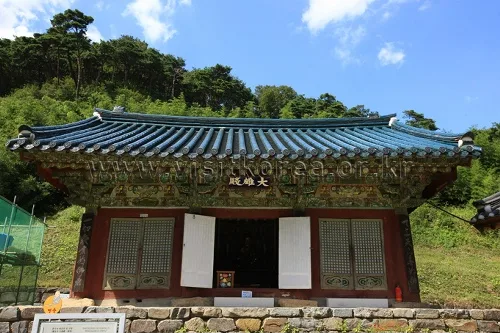
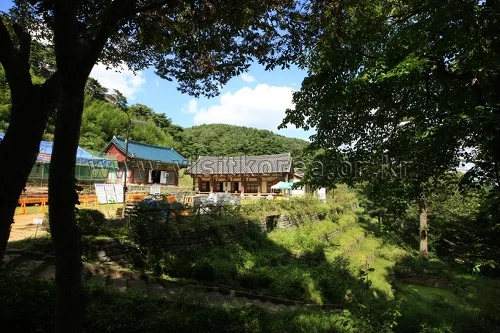
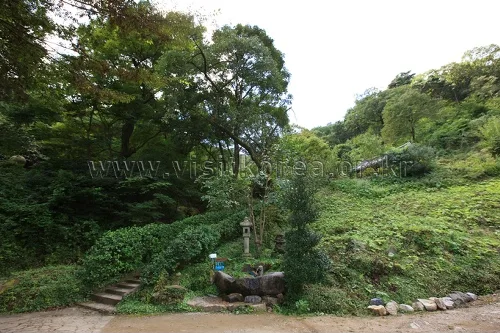
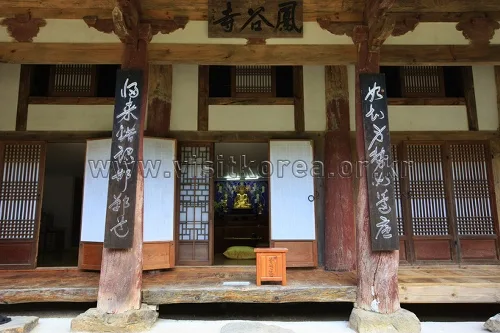
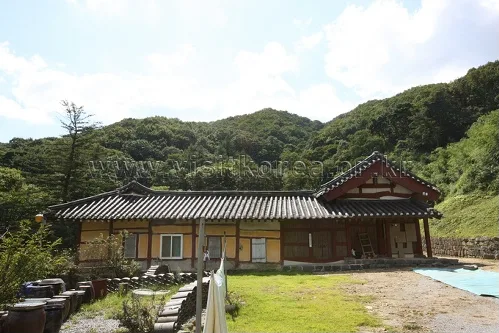
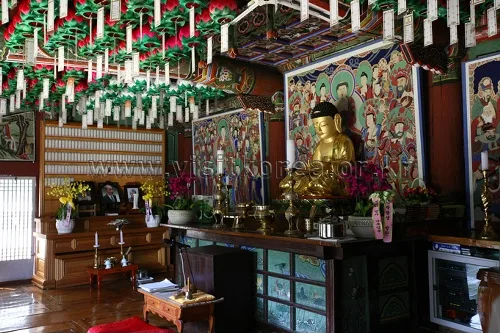
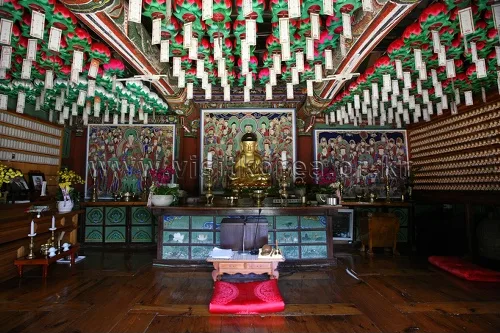
Bonggoksa Temple is a peaceful spot known for its historical significance and beautiful surroundings. The temple is situated along the northeast valley of Bongsusan Mountain, providing a picturesque setting that enhances its spiritual ambiance. You’ll find structures like Daeeungjeon and Hyanggakjeon facing east, which are both integral to the temple’s layout.
This site gained recognition as the place where Saint Mangong achieved enlightenment. In July 1895, he recited Odoseong, a form of Zen poetry here. The blend of cultural history and natural beauty can make your visit feel quite special. Just so you know, although Samseongak—a building dedicated to three saints—was built recently, it adds to the overall charm of the temple grounds.
How do you get to Bonggoksa Temple (봉곡사)?
Bonggoksa Temple is accessible by car or public transport from major cities like Asan or Daejeon. If you’re driving, parking is available on-site, which is a big plus for those who prefer the convenience of their own vehicle. From Asan Station, you can take a local bus that connects directly to the temple area.
If public transport isn’t your thing, consider arranging a taxi from nearby locations for direct access. The trip should take about 20-30 minutes from Asan’s center depending on traffic conditions. It’s also advisable to check local bus schedules ahead of time as they may vary.
What should you know before visiting?
Bonggoksa Temple operates daily from sunrise to sunset without any closures, making it easy to fit into your travel plans. Restrooms are available on-site, which can be quite helpful during your visit. Just remember that interpretation services are not offered here, so brush up on some basic Korean phrases if you’d like to engage with locals or monks.
A cultural tip: when visiting Buddhist temples in Korea, it’s customary to dress modestly and remove your shoes before entering certain areas. This respectful practice helps maintain the sanctity of these spiritual spaces.
What else is nearby?
The area surrounding Bonggoksa Temple offers additional attractions worth exploring. Nearby Bongsusan Mountain provides several hiking trails that cater to different skill levels; it’s an excellent opportunity for outdoor enthusiasts or those wanting some fresh air after visiting the temple.
Korean cuisine, particularly famous dishes such as bulgogi or kimchi. Trust me; it’s worth trying!