Click to generate audioFirst play may take 10-15 seconds
At a Glance: Explore the Goryeo-dong Historic Site to discover a legacy of loyalty and history in a serene setting.
Goryeo-dong Historic Site (고려동유적지) is not for everyone. If you’re looking for flashy attractions or vibrant nightlife, this might not be your cup of tea. But if you’re interested in Korean history and want to experience a quiet place that reflects deep cultural roots, this site is worth a visit.
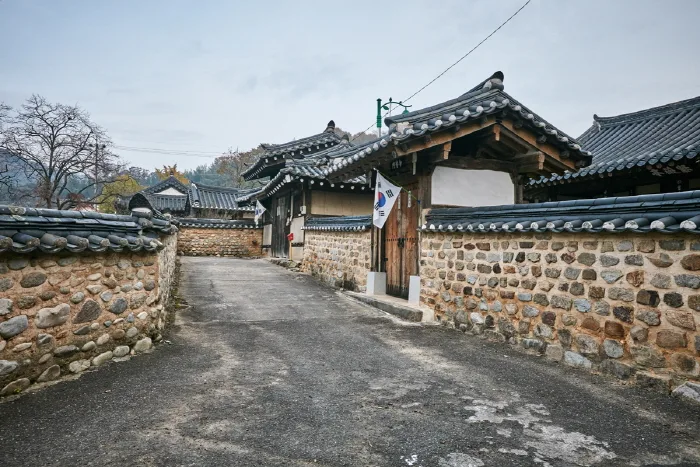
Visiting in the morning offers a tranquil atmosphere. The early hours bring soft light over the historical remnants, allowing you to appreciate the site’s serene beauty and reflective nature. The quiet surroundings are good for taking your time as you explore the stone fences built by Yi O, who dedicated his life to preserving Goryeo heritage.
Evening visits present an entirely different vibe. While the sun sets, shadows stretch across the site, creating dramatic silhouettes against the remaining structures. You might even catch locals visiting after work, giving you a sense of everyday life in this historic area.
What makes Goryeo-dong Historic Site (고려동유적지) worth visiting?
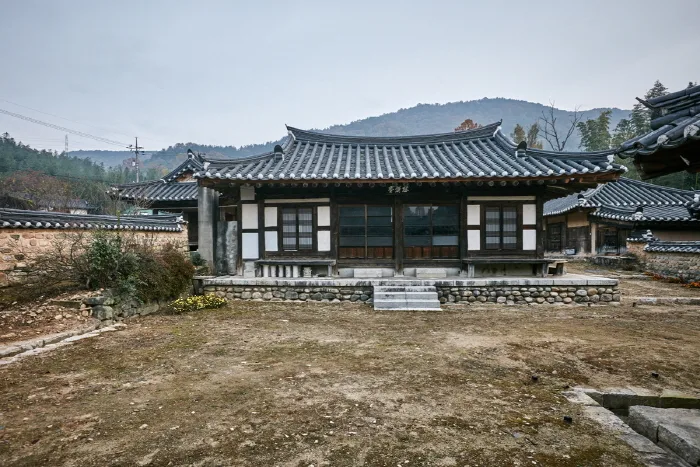
The main draw here is its historical significance tied to Yi O, a loyal scholar from the Goryeo dynasty. He established this site as a refuge for those who remained faithful to Goryeo after its fall. The village that formed around his descendants has preserved his legacy over 19 generations.
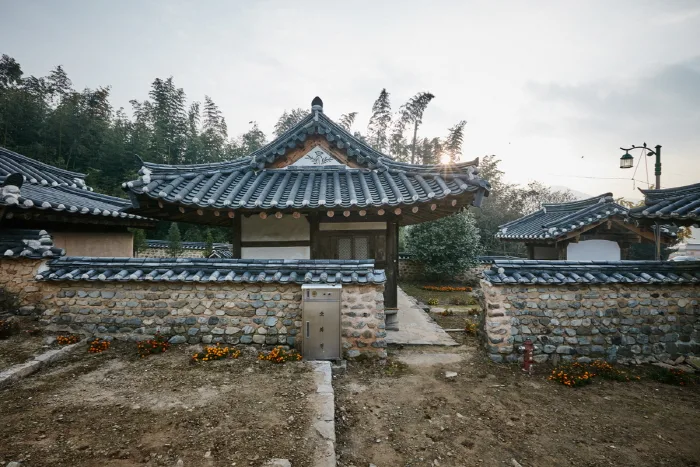
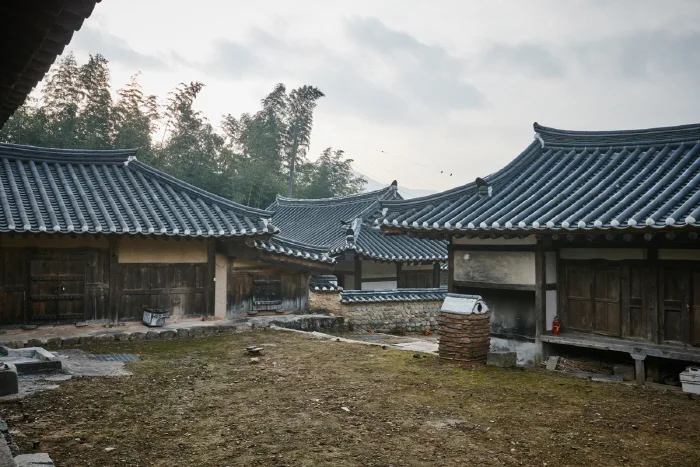
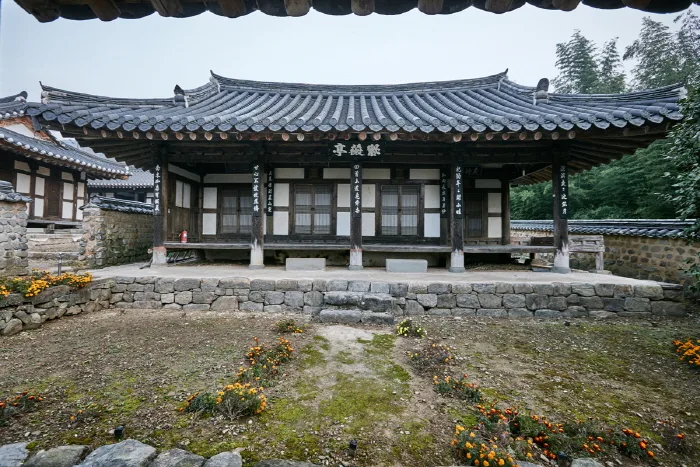
In my experience, you’ll notice some intriguing architectural features like the stone fence that Yi O constructed, which still stands today. It serves as a physical reminder of resilience against changing regimes. Walking through this area gives you insights into Korea’s tumultuous past while offering ample space for reflection.
How do you get to Goryeo-dong Historic Site (고려동유적지)?
The site is located at 경상남도 함안군 산인면 모곡2길 53. Public transport options are limited here, so driving might be your best bet if you’re coming from Busan or Daegu; it’s about an hour’s drive from both cities.
If you’re relying on public transport, take a bus towards Ham-an and get off at Sangin-myeon station; from there it’s roughly a 15-minute taxi ride or about 30 minutes on foot through pleasant countryside roads. It’s wise to check local bus schedules beforehand since they can vary throughout the day. Let me know if you have a different experience.
What should you know before visiting?
The entrance fee is free — always a plus! Just be aware that facilities are basic; there aren’t many amenities around aside from some benches where you can rest. If I’m being honest, don’t expect any shops or cafes nearby either; bringing snacks and water is advisable.
A practical tip: dress comfortably and consider wearing good walking shoes since exploring involves wandering through somewhat uneven terrain. And remember to keep noise levels low; it’s important to respect this tranquil space where families come to honor their ancestors.
What else is nearby?
Haman. There are several traditional markets where you can sample local cuisine like Bulgogi and Kimbap.
A short drive will take you to beautiful parks where hiking trails await those wanting more outdoor activities after exploring history at Goryeo-dong Historic Site. Combining these experiences will give you an even broader appreciation of Korea’s cultural landscape.