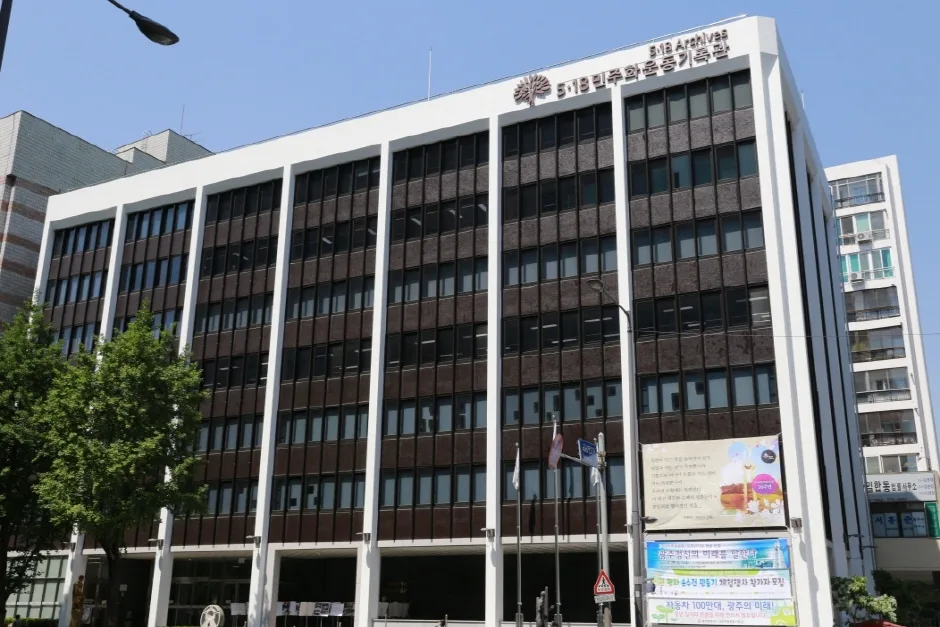
At a Glance: Discover the May 18 Democratic Uprising Archives to explore South Korea's journey to democracy and its significant cultural heritage.
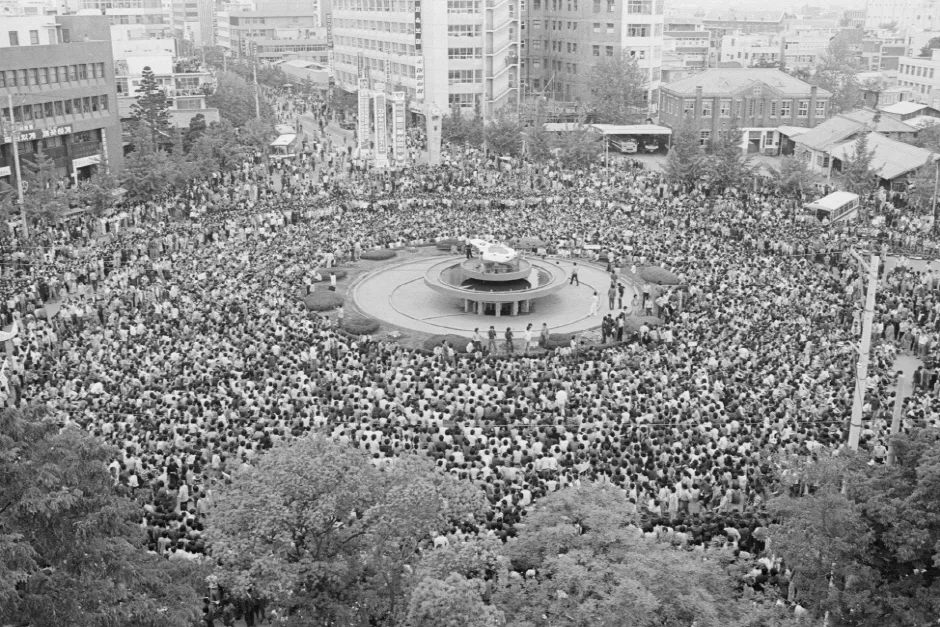
Visiting the May 18 Democratic Uprising Archives (518민주화운동 기록관) in Gwangju offers a profound insight into the city’s role in shaping modern South Korea. This facility stands as a tribute to the citizens who bravely protested for democracy during the uprising in May 1980. Each visit unveils more layers of the historical struggle, making it worthwhile to return.
What makes May 18 Democratic Uprising Archives culturally significant?
The archives are located at 221 Geumnam-ro, Dong-gu, Gwangju, on a site historically linked to the events of the uprising. Established in 2015, this center aims to systematically collect and preserve materials related to the May 18 Democratization Movement. It serves as an important educational resource, highlighting how collective action can influence political change.
In 2011, parts of this movement were inscribed on UNESCO’s Memory of the World Register. This recognition emphasizes not only its historical value but also its importance in global discussions about human rights and democracy. The records here remind visitors that democracy is a hard-won right.
What are the main exhibitions or features?
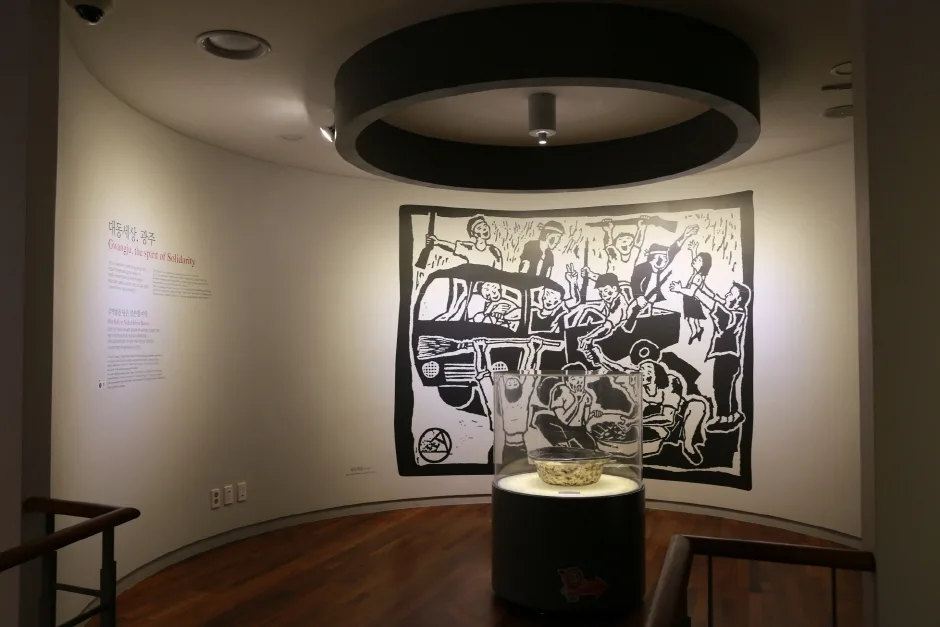
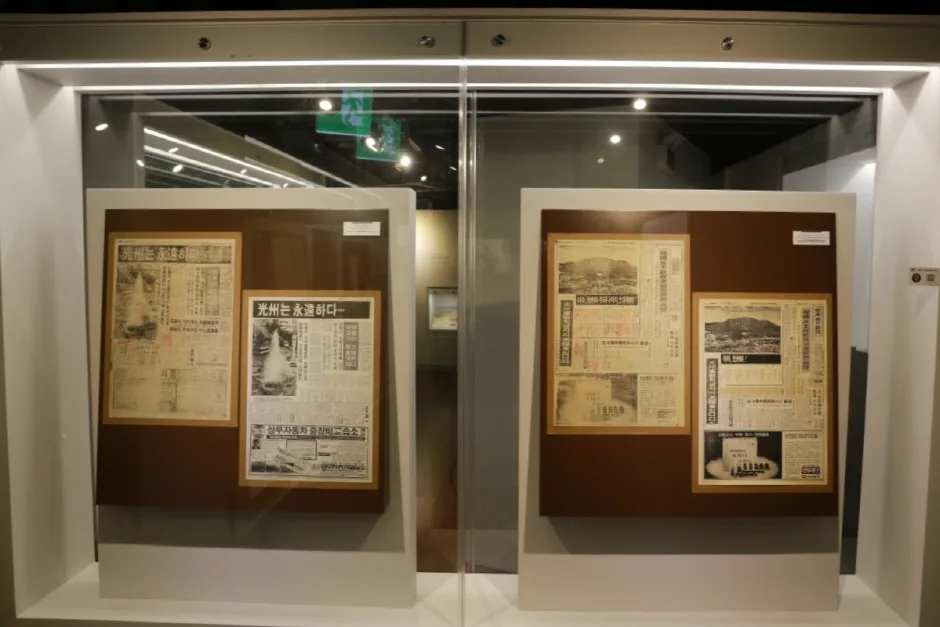
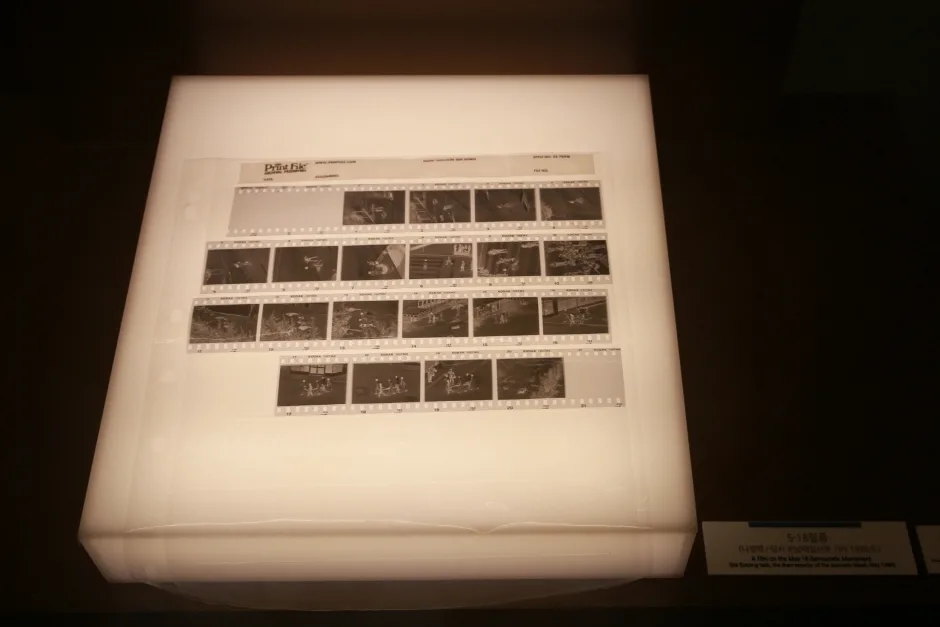
The May 18 Democratic Uprising Archives features a variety of exhibitions that include original documents, photographs, and audiovisual materials that narrate the story of the uprising. A standout feature is the virtual reality (VR) experience hall which allows visitors to immerse themselves in significant moments from May 1980.
Guided tours are available at specific times; on weekdays, you can join at 10:00, 11:00, 14:00, 15:00, and 16:30. On Sundays, these tours are offered at slightly different times—10:00, 11:00, 14:30, and 16:00. For those who prefer self-exploration, online exhibitions are also accessible through their website.
Is May 18 Democratic Uprising Archives suitable for all ages?
This facility is designed to be accessible and engaging for visitors of all ages. Families can appreciate interactive exhibits that cater to children while adults can delve deeper into historical analysis. The audio guide rental service available from 09:00 to 17:00 includes interpretations in English, Japanese, and Chinese, enhancing accessibility for international guests.
What practical tips should you know?
Admission to the May 18 Democratic Uprising Archives is free, making it a budget-friendly destination. It’s open from Tuesday to Sunday between 09:00 and 18:00 but closed on Mondays and major holidays such as Seollal (Lunar New Year) and Chuseok (Korean Thanksgiving). Parking is available for those driving.
If you’re relying on public transport, check local bus routes that stop nearby or consider taking a taxi if you’re coming from Gwangju’s subway stations. Keep in mind that while visiting is enlightening, some parts might evoke strong emotions due to their poignant content. Honestly, be prepared for an impactful experience.
Photo Gallery
Essential Information
| Address | 221 Geumnam-ro, Dong-gu, Gwangju |
|---|---|
| Website | www.518archives.go.kr |
| Operating Hours | 09:00-18:00 |
| Closed | Mondays (closed next day if Monday is a public holiday), January 1, Seollal (Lunar New Year’s Day) & Chuseok (Korean Thanksgiving Day) holidays, and days deemed necessary by the museum |
| Admission / Fee | Free |
| Parking | Available |
| Inquiries | +82-62-613-8204 |
| Map | View on Google Maps |
Additional Details
[Online exhibition]
Virtual reality (VR) experience hall, video exhibition hall, photo tour
* Subject to change depending on archive circumstances
[Regular guide]
Tuesday-Saturday 10:00, 11:00, 14:00, 15:00, 16:30 / Sundays 10:00, 11:00, 14:30, 16:00
* Reference room on the 4th floor
Available (English, Japanese, Chinese) / Audio guide device rental hours 09:00-17:00
Frequently Asked Questions
What are the opening hours of May 18 Democratic Uprising Archives?
The archives are open from Tuesday to Sunday from 09:00 to 18:00. They are closed on Mondays and major holidays.
Is there an admission fee for the archives?
Admission to the May 18 Democratic Uprising Archives is completely free.
How can I get there using public transport?
You can take local buses that stop near the archives or use a taxi if you’re traveling from Gwangju’s subway stations.
Useful Korean Phrases
Tap to expand
Nearby Recommendations
Explore more places within 5km of this location
Nearby Restaurants
- Jeil Banjeom (제일반점)429m174 Guseong-ro, Dong-gu, Gwangju
- Mulgogi Coffee Roasters (물고기 커피 로스터스)792m34 Jangdong-ro, Dong-gu, Gwangju
- Gajokhwegwan (가족회관)840m50 Dongmyeong-ro, Dong-gu, Gwangju
Nearby Accommodation
- Palace Tourist Hotel (파레스 관광호텔)279m13, Jungang-ro 160beon-gil, Dong-gu, Gwangju
- Ramada Plaza By Wyndham Chungjang (라마다플라자 충장호텔)486m369 Cheonbyeonu-ro, Dong-gu, Gwangju
- Yeoro(Sansu-dong Hanok Experience Hall) (여로(산수동 한옥체험시설))839m16-17 , Donggye-ro, Dong-gu, Gwangju
Nearby Attractions
- Geumnam Butterfly Garden (금남로공원 금남나비정원)93m20-2 Geumnam-ro, Dong-gu, Gwangju
- Gwangju Wongaksa Temple (원각사(광주))155m197 Jungang-ro, Dong-gu, Gwangju
- Gwangju Chungjang-ro KPOP STAR Street(광주 충장로 케이팝 스타의 거리)220m94 Chungjang-ro, Dong-gu, Gwangju