Click to generate audioFirst play may take 10-15 seconds
At a Glance: Visit Geomunoreum Lava Tube for an awe-inspiring geological experience and a chance to see diverse biological species.
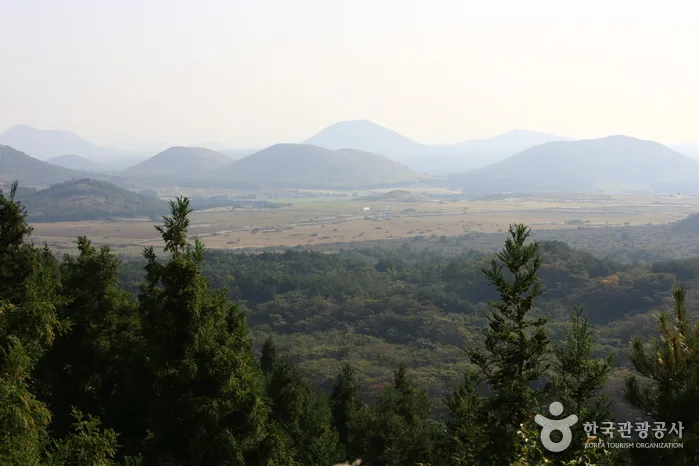
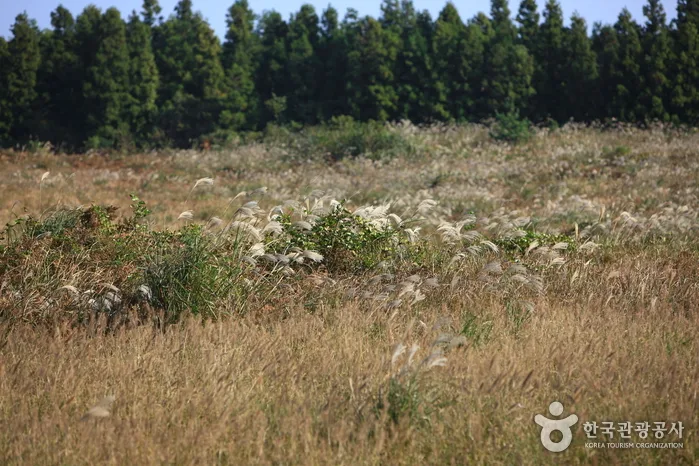
Visiting Geomunoreum Lava Tube (거문오름) is best during the spring or fall when the weather is mild and good for exploring the great outdoors. This UNESCO World Natural Heritage Site on Jeju Island offers a unique glimpse into volcanic activity through its intricate network of lava tubes, along with opportunities for trekking in a serene environment.
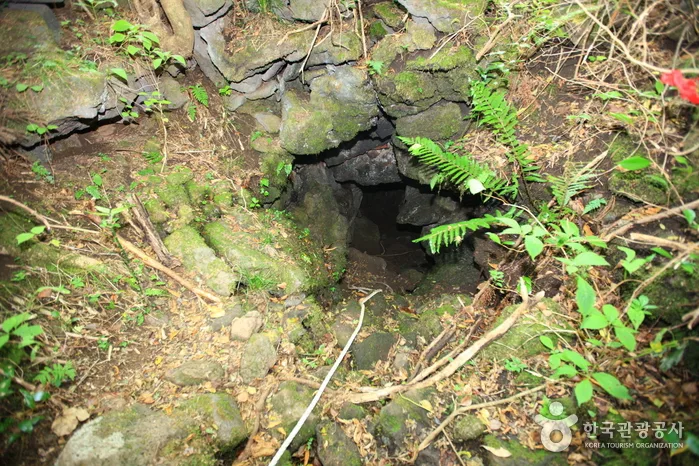
The Geomunoreum Lava Tube stands out due to its impressive geological features and ecological significance. With around 20 interconnected lava tubes formed from past volcanic eruptions, it provides a rare insight into the Earth’s geological processes. walking through the tubes, you’ll notice various species of flora and fauna that thrive in this unique habitat, making it appealing not just for geology enthusiasts but also for nature lovers.
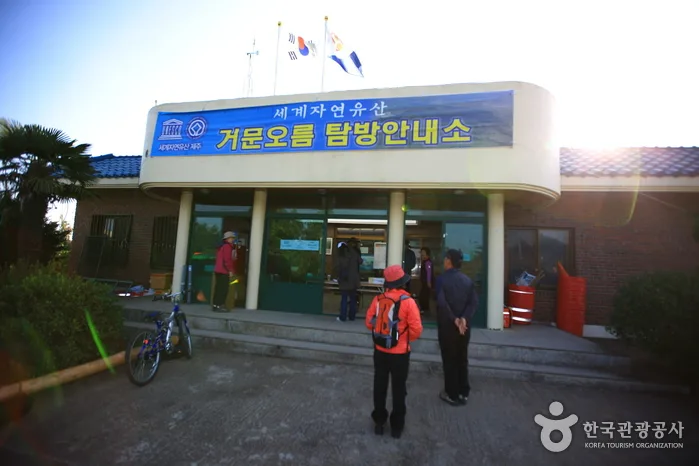
One aspect that caught my attention was the emphasis on conservation here. The area serves as a sanctuary for many rare species, which adds an extra layer of importance to your visit. When you begin at the Jeju World Natural Heritage Center, you’re not just walking through a lava tube; you’re stepping into a crucial piece of our planet’s geological history. And honestly, that makes a big difference.
How do you get to Geomunoreum Lava Tube?
Getting to Geomunoreum is quite straightforward. It’s located at 569-36 Seongyo-ro, Jocheon-eup, Jeju-si, Jeju-do, which is easily accessible by car or public transport. If you are driving, ample parking is available on-site.
Here is the thing though — for those using public transport, buses from Jeju City regularly connect to this area. Plan your visit ahead of time since the site requires prior reservations for entry during peak seasons. I recommend checking local bus schedules for timely arrivals.
What should you know before visiting?
Before you go, keep a few practical details in mind. First, the admission fees are ₩2,000 (about $1.50 USD) for adults and ₩1,000 (about $0.75 USD) for teenagers and children. Groups can benefit from reduced rates if they have ten or more participants.
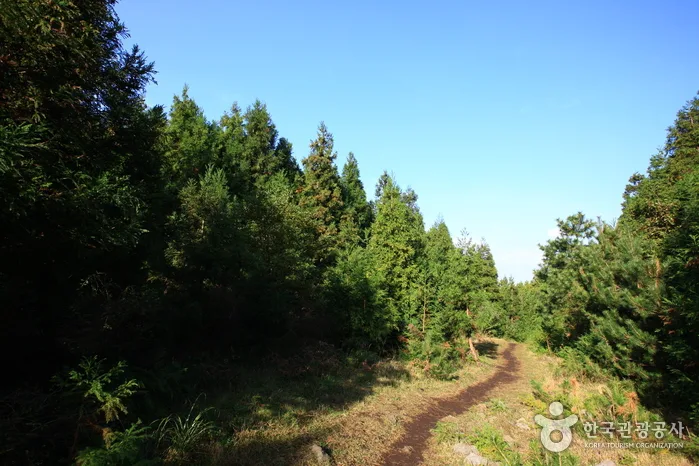
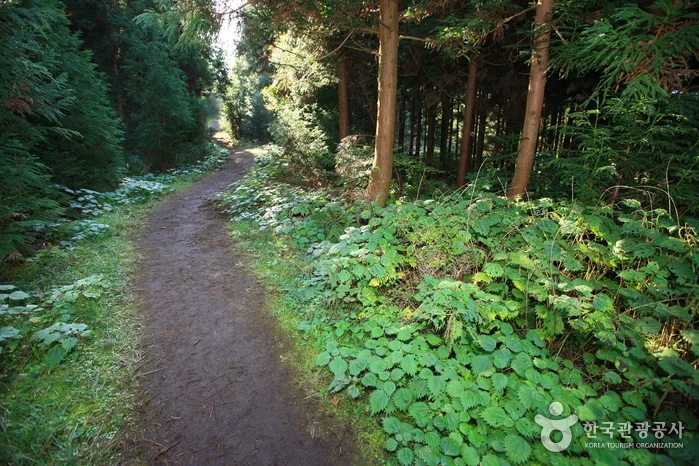
It’s also important to note that operating hours are limited; entry is allowed from 09:00 to 13:00 with departures every 30 minutes. The site is closed on Tuesdays and during major holidays like Seollal (Lunar New Year’s Day) and Chuseok (Korean Thanksgiving Day). If you’re considering trekking courses, there are several options including the Summit Course (1.8 km), Crater Course (5.5 km), and Taeguek-gil Course (10 km). Each offers a different perspective of the lava tubes and takes varying amounts of time to complete.
What else is nearby?
If you’re exploring this part of Jeju Island, there are other attractions worth considering as well. The Jeju World Natural Heritage Center itself has exhibitions related to natural heritage that could enhance your understanding of the area’s unique environment.
You might also want to explore nearby parks or hiking trails once you’re finished at Geomunoreum. Jeju has stunning natural beauty everywhere you look, making it ideal for outdoor activities after your visit to the lava tube.
Tuesdays, the day of Seollal (Lunar New Year’s Day) and Chuseok (Korean Thanksgiving Day) * Entrance prohibited in the case of inclement weather
Parking
Available
Inquiries
+82-64-710-8981
Experiences
[Trekking] Ticketing operates on a first-come, first-served basis, starting from the first day of the month prior to the intended visit.
On-site ticketing is available only for tickets that have been canceled on the day of the visit.
![How to Make the Most of Your Visit to Geomunoreum Lava Tube [UNESCO World Natural Heritage Site] (거문오름 [유네스코 세계자연유산])](https://travelkorea.co.kr/wp-content/uploads/2026/02/tourist-spot-20260215-092133-2660.webp)