Click to generate audioFirst play may take 10-15 seconds
At a Glance: Gongju Gongsanseong Fortress offers a glimpse into Korea's Baekje history with stunning views and a peaceful atmosphere.
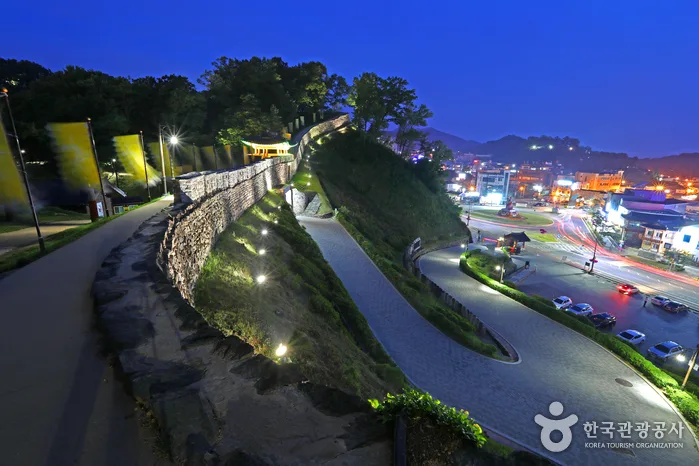
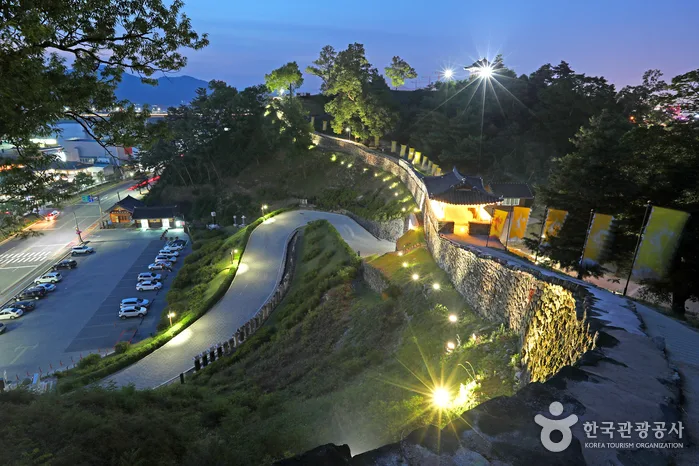
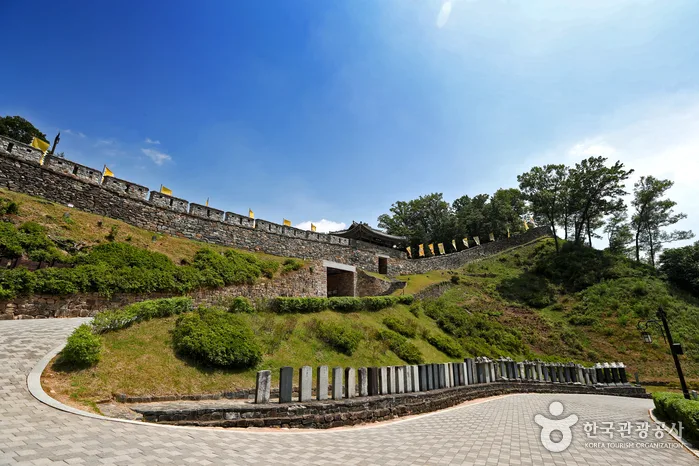
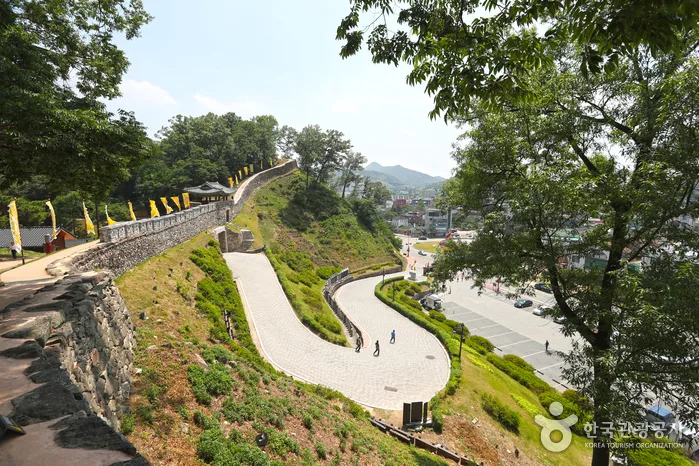
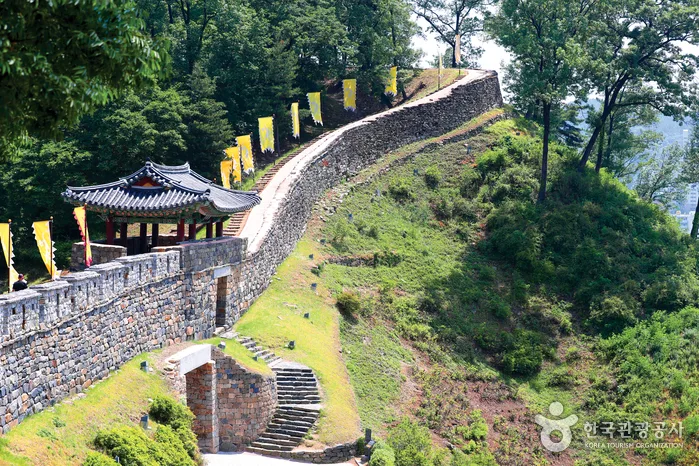
The moment you step onto the ancient grounds of Gongju Gongsanseong Fortress (공주 공산성), you’re greeted by sweeping vistas of the Geumgang River and the city below. The fortress itself, a UNESCO World Heritage Site, is steeped in the legacy of the Baekje kingdom, making it a compelling stop for history enthusiasts and casual visitors alike.
What makes Gongju Gongsanseong Fortress [UNESCO World Heritage] (공주 공산성 [유네스코 세계문화유산]) worth visiting?
This fortress was once the capital of the Baekje kingdom from 475 to 538 CE. Its strategic location provided a natural defense while overlooking key trade routes. The views from the walls are particularly breathtaking at sunset, when the light casts golden hues across the landscape.
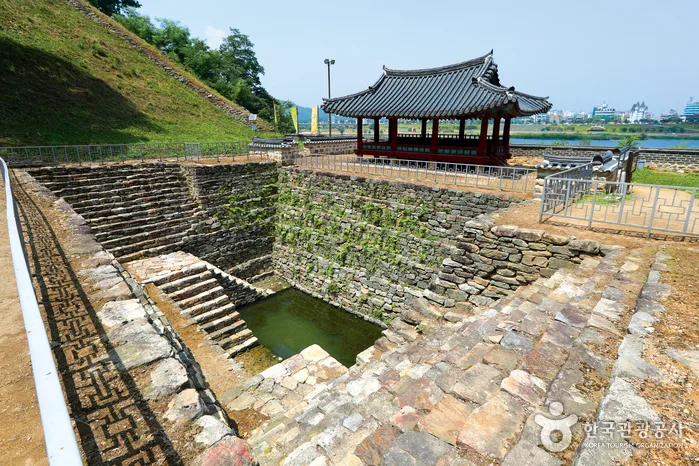
The surrounding area is rich in historical significance as well. After Baekje’s fall, it remained important through various dynasties like Silla, Goryeo, and Joseon. Exploring its trails and ancient structures offers insights into Korea’s evolving history and culture.
How do you get to Gongju Gongsanseong Fortress [UNESCO World Heritage] (공주 공산성 [유네스코 세계문화유산])?
Reaching the fortress is straightforward. If you’re coming from Seoul, you can take an express bus from Central City Terminal to Gongju, which takes about two hours. Once in Gongju, it’s roughly a 15-minute taxi ride or a short bus trip to the fortress entrance.
If you prefer driving, parking is available on-site. Just head to 280 Ungjin-ro in Gongju-si, Chungcheongnam-do. It’s also worth noting that public transport within Gongju is relatively easy to navigate if you’re looking to save on transportation costs. Curious what you think about that.
What should you know before visiting?
The fortress operates from March to October between 09:00-18:00 and from November to February from 09:00-17:00. Last admission is 30 minutes before closing time. It’s closed on New Year’s Day, Seollal (Lunar New Year), and Chuseok (Korean Thanksgiving), so plan your visit accordingly.
One thing that caught me off guard was how few signs there were in English; knowing a bit of Korean can enhance your experience here. When you arrive, don’t forget to remove your shoes if you enter any buildings on the site. Worth knowing before you go.
What else is nearby?
The surrounding area has more than just historical intrigue. Nearby attractions include the Gongju National Museum, which showcases artifacts from the Baekje period and beyond. It’s just a short drive away and usually requires less than an hour to explore.
If you have extra time, consider visiting Buyeo (about 30 minutes away), another ancient capital with its own share of historical sites like Busosanseong. Both towns reflect Korea’s past beautifully without being overly commercialized.
Photo Gallery
공산성공산성공산성공산성공산성공산성
Essential Information
🕐 Current Local Time (Korea):–:–:–
Address
280 Ungjin-ro, Gongju-si, Chungcheongnam-do
Phone
+82-41-856-7700
Website
www.gongju.go.kr
Operating Hours
March-October 09:00-18:00 / November-February 09:00-17:00 * Last admission is 30 minutes before closing
Closed
New Year’s Day, Day of Seollal (Lunar New Year’s Day) & Chuseok (Korean Thanksgiving Day)
![I Visited Gongju Gongsanseong Fortress [UNESCO World Heritage] (공주 공산성 [유네스코 세계문화유산]) and Here Is What I Found](https://travelkorea.co.kr/wp-content/uploads/2026/02/tourist-spot-20260212-051618-10d2.webp)