Click to generate audioFirst play may take 10-15 seconds
At a Glance: Ikseon-dong Hanok Street offers a blend of traditional architecture and modern charm, making it a unique spot for visitors in Seoul.
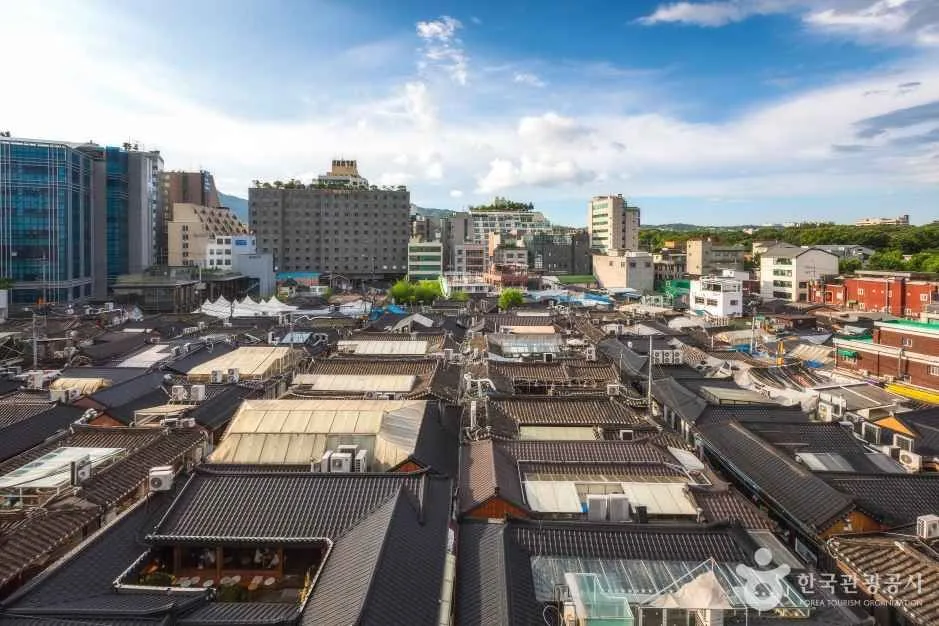
On my first visit to Ikseon-dong Hanok Street (익선동 한옥거리), I was genuinely surprised by how the historic hanok houses coexisted with trendy cafes and shops. The atmosphere felt both nostalgic and fresh. Honestly, I expected a tourist trap but found instead an authentic neighborhood that respects its roots while inviting new experiences.
What did I notice at Ikseon-dong Hanok Street (익선동 한옥거리)?
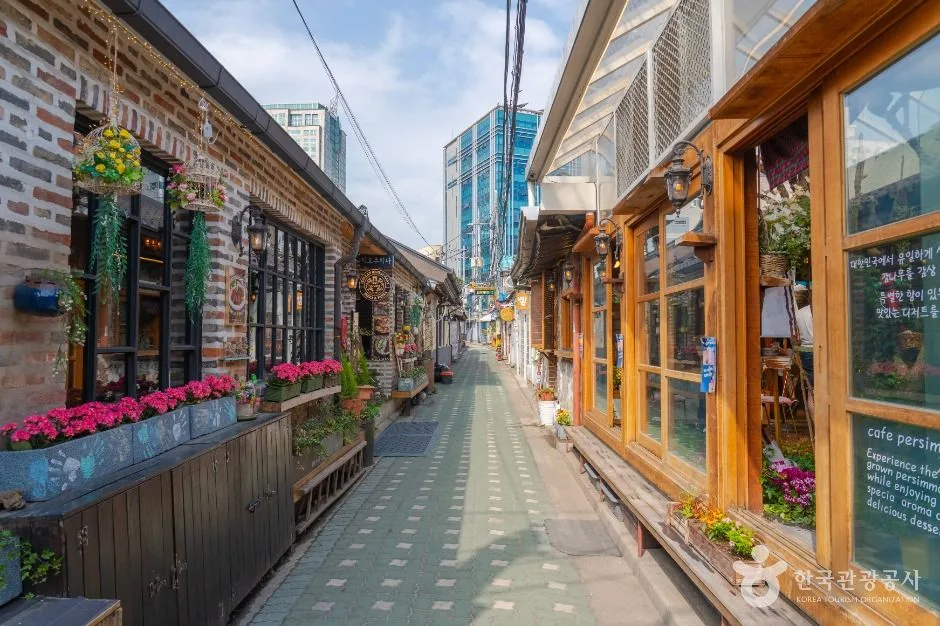
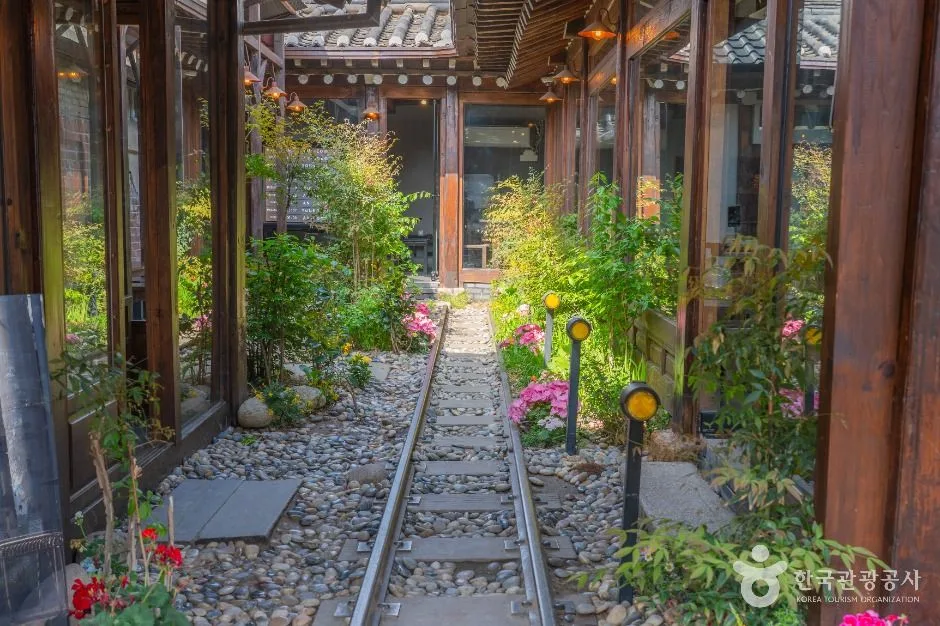
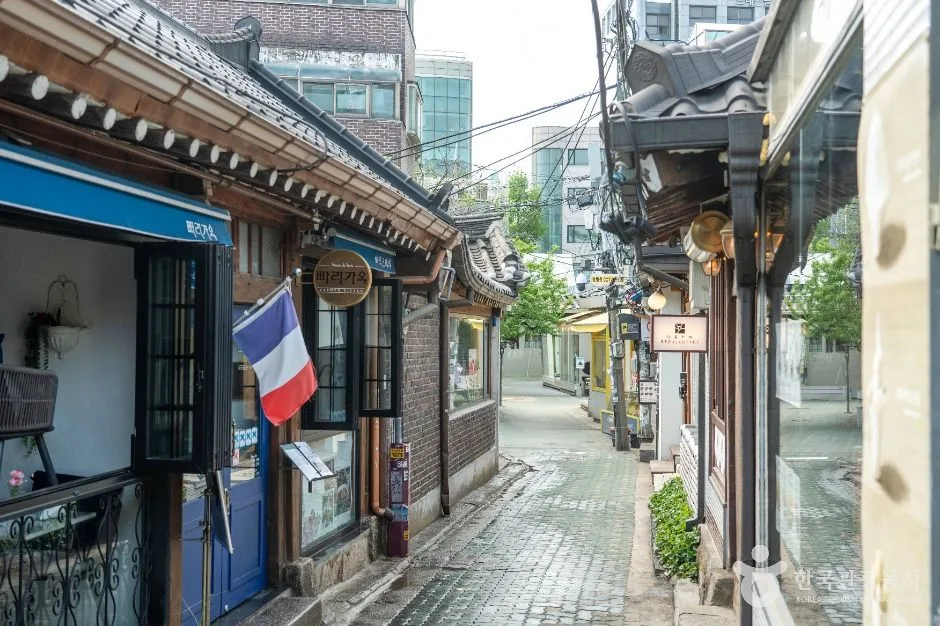
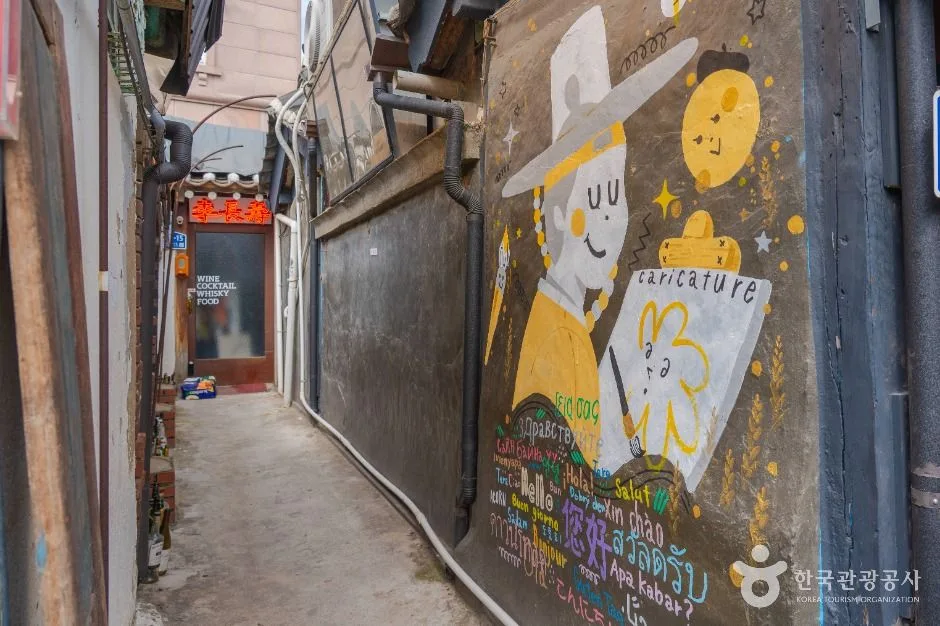
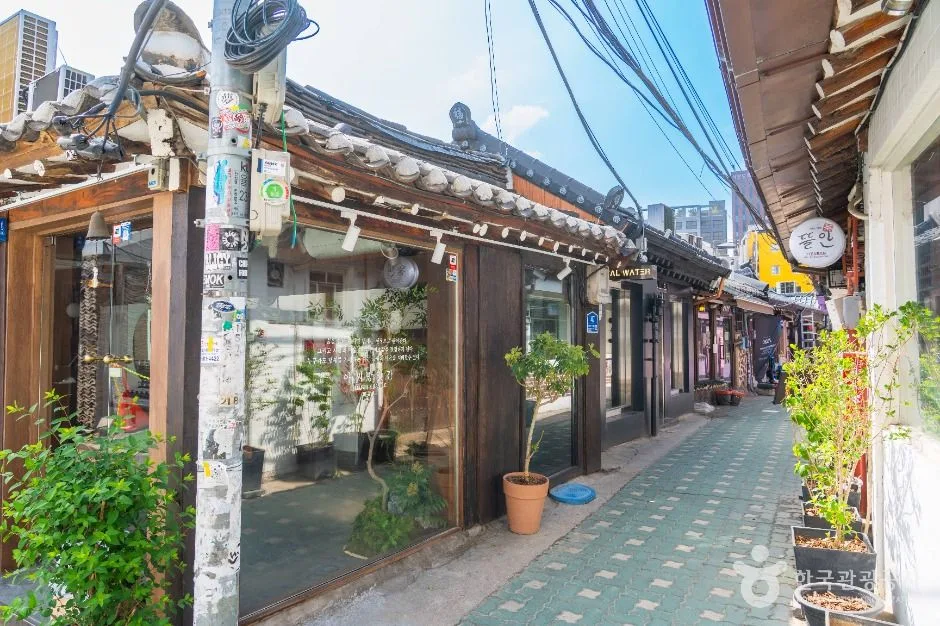
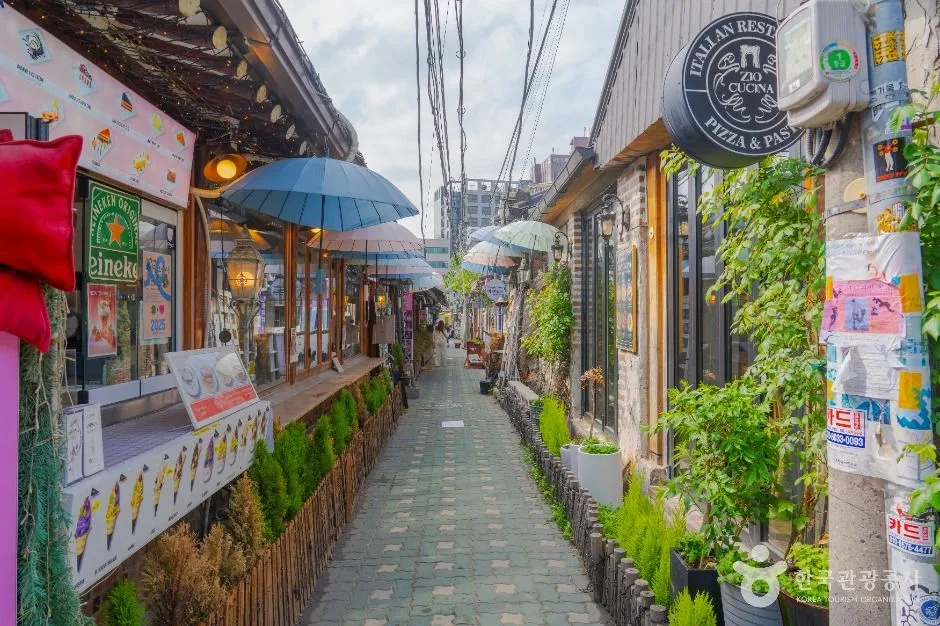
The first thing that struck me was the charming alleyways lined with beautifully preserved hanoks. These traditional Korean houses create an inviting backdrop for leisurely strolls. As I wandered, I noticed many establishments offering unique crafts, artisanal goods, and delightful food options.
This area attracts a diverse crowd, from young couples seeking photo opportunities to families enjoying the cozy ambiance. If you’re into photography, this is an excellent spot to capture the essence of old Seoul blending with contemporary life. Just a thought.
How do you get there and get around?
Ikseon-dong is conveniently located in Jongno-gu, making it easily accessible via public transportation. The nearest subway station is Jongno 3-ga Station (종로3가역), which is just a 10-minute walk away. Alternatively, you can hop on bus routes that stop nearby.
Since parking isn’t available in the area, consider using public transit or walking if you’re staying nearby. Once you’re in Ikseon-dong, everything is close enough to explore on foot. Just be prepared for some narrow alleys where cars can’t pass. Worth checking out for yourself.
What should visitors keep in mind?
A few things will enhance your visit to Ikseon-dong. Admission is free, which means you can take your time without worrying about entry fees. While most shops have varying hours, they generally stay open throughout the year.
If you’re planning to eat or shop here, keep in mind that tipping isn’t customary in South Korea. You might also want to learn how to call staff by saying “저기요” (jeogiyo) if you need assistance. One downside I encountered was that some signage could be clearer; having a translation app handy might help you navigate menus or shop descriptions more easily.
Finally, respecting local customs will go a long way—be mindful of noise levels since it’s still a residential area. Enjoying Ikseon-dong responsibly ensures it remains a treasured space for everyone.