Korea has four distinct seasons, and while spring (April–May) and fall (September–October) offer the most pleasant weather for first-time visitors, every season has something special — it just depends on what you're looking for.
I live in Korea, so honestly, I sometimes forget how exciting this place can be for travelers. When you see the same streets every day, it’s hard to feel the magic. But I get it — it’s the same way I feel about dreaming of Italy or Iceland. People ask me all the time: “When should I visit Korea?” So I figured I’d give you an honest answer — not from a guidebook, but from someone who’s felt every season here in their bones. Fair warning: this is my personal take, so use it as a starting point and find the timing that fits your travel style.
When is the best time to visit Korea?
Korea has four very distinct seasons, and each one completely changes the look and feel of the country. If I had to pick, I’d recommend spring (April–May) and fall (September–October). The temperatures hover around 10–20°C (50–68°F), the skies are clear, and it’s just comfortable — not too hot, not too cold.
The numbers back this up too. According to Korea Tourism Organization data, October 2024 was the most popular month with 1.6 million foreign visitors, followed by August (1.56 million) and April (1.46 million).
That said, the “best” time really depends on what you want to experience:
- Cherry blossoms? Late March to early April
- Fall foliage? Mid-October to early November
- Beaches and festivals? Summer (July–August)
- Skiing and winter festivals? December to February
What’s the weather like in Korea month by month?
Here’s a quick look at the three cities most travelers visit — Seoul, Busan, and Jeju. This should give you a solid idea of what to pack and when to go.
A note on the data: All temperatures are based on the WMO (World Meteorological Organization) climate normals for 1991–2020, the latest international standard. Seoul’s July rainfall alone (415mm) accounts for about 29% of its annual total — summer really is that wet.
Average Temperature Comparison — Seoul, Busan, Jeju (°C)
| Month | Seoul | Busan | Jeju |
|---|---|---|---|
| Jan | -2.1 | 2.4 | 6.2 |
| Feb | 0.6 | 4.5 | 7.0 |
| Mar | 6.1 | 8.6 | 10.0 |
| Apr | 12.6 | 13.8 | 14.4 |
| May | 18.3 | 18.6 | 18.6 |
| Jun | 22.9 | 22.4 | 22.0 |
| Jul | 25.5 | 25.8 | 26.5 |
| Aug | 26.3 | 27.0 | 27.4 |
| Sep | 21.6 | 23.3 | 23.5 |
| Oct | 15.0 | 18.0 | 18.6 |
| Nov | 7.2 | 11.3 | 13.4 |
| Dec | 0.0 | 4.3 | 8.3 |
Monthly Rainfall Comparison — Seoul, Busan, Jeju (mm)
| Month | Seoul | Busan | Jeju |
|---|---|---|---|
| Jan | 15 | 35 | 60 |
| Feb | 30 | 50 | 55 |
| Mar | 35 | 80 | 95 |
| Apr | 75 | 140 | 90 |
| May | 105 | 155 | 100 |
| Jun | 130 | 190 | 175 |
| Jul | 415 | 325 | 210 |
| Aug | 350 | 260 | 250 |
| Sep | 140 | 165 | 215 |
| Oct | 50 | 55 | 80 |
| Nov | 50 | 50 | 65 |
| Dec | 25 | 35 | 50 |
| Annual | 1,420 | 1,575 | ~1,457 |
What should you see if you come in spring?
Since I recommended spring and fall, let me tell you what to actually do during those seasons. The absolute highlight of spring in Korea is the cherry blossoms. They typically start blooming in late March in Jeju, then sweep northward to Seoul by early April. Full bloom lasts only about one to two weeks, so timing matters.
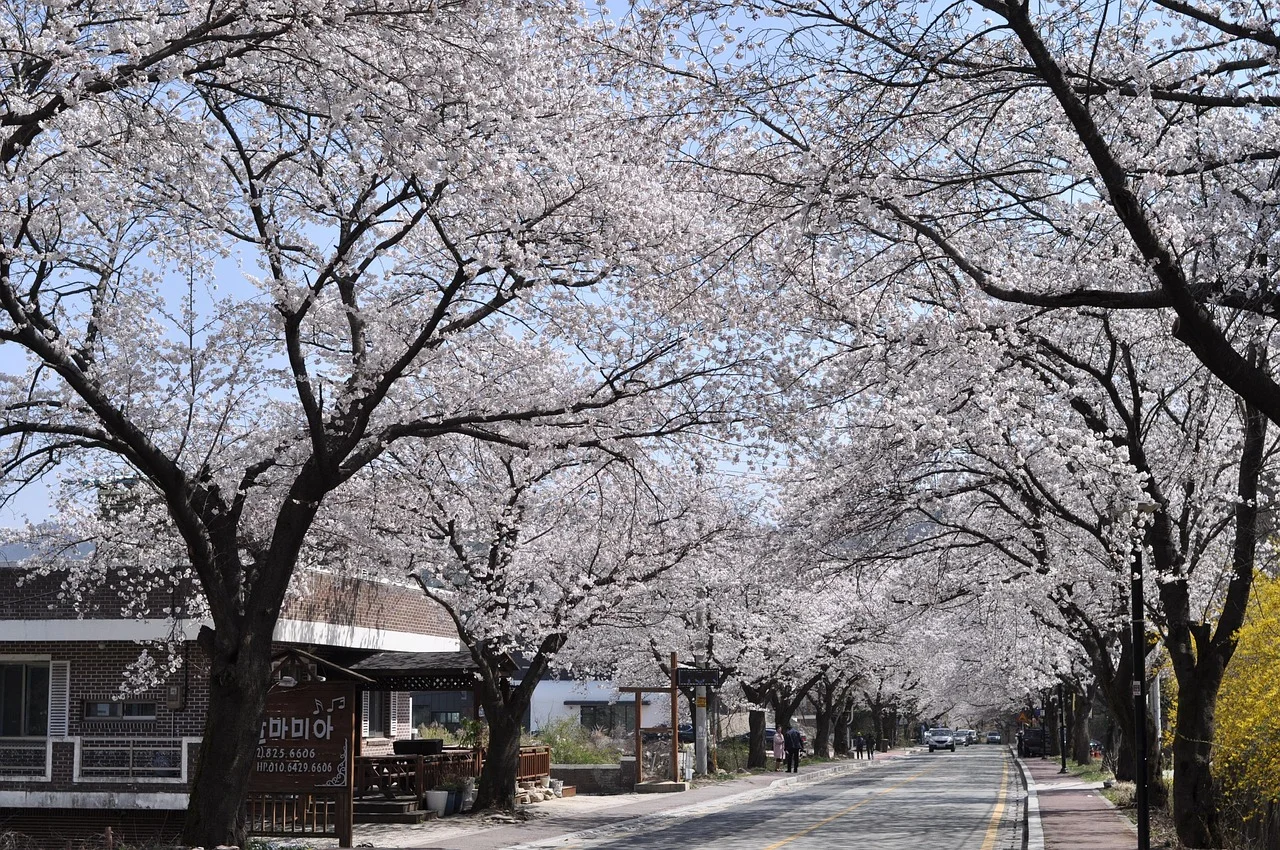
Top cherry blossom spots
- Yeouido Yunjung-ro (Seoul) — Over 1,500 cherry trees line the Han River here, and the annual Yeouido Spring Flower Festival draws massive crowds
- Seokchon Lake (Seoul) — The cherry blossom path around the lake is stunning, especially at night when it’s all lit up
- Jinhae Gunhangje Festival (Changwon, Gyeongnam) — Korea’s biggest cherry blossom festival, attracting millions of visitors every year
- Gyeongju Bomun Tourist Complex — Cherry blossoms framed by ancient Silla dynasty ruins — it doesn’t get more photogenic than this
Other spring highlights
- Wearing a hanbok (traditional Korean outfit) at Gyeongbokgung or Changdeokgung Palace surrounded by spring flowers
- Taean Tulip Festival (mid-April to early May)
- Boseong green tea fields with fresh spring leaves
- Jeju canola flower festival (March–April)
Spring travel tips
- Watch the rain forecast for cherry blossoms. Here’s something most guides won’t tell you: cherry blossoms fall quickly when it rains. If you see rain in the forecast, rearrange your schedule and go see the blossoms before the rain hits. Trust me on this one.
- Bring a mask for yellow dust. In March and April, fine dust (hwangsa) can blow in from China. It’s not every day, but it happens, and having a mask handy is just smart.
What should you see if you come in fall?
Fall is when Korea turns into a painting. The entire country shifts to reds, oranges, and golds, and the national parks and palaces become almost unbelievably beautiful. Fall foliage usually starts at Seoraksan in late September and spreads across the country through mid-October to early November.
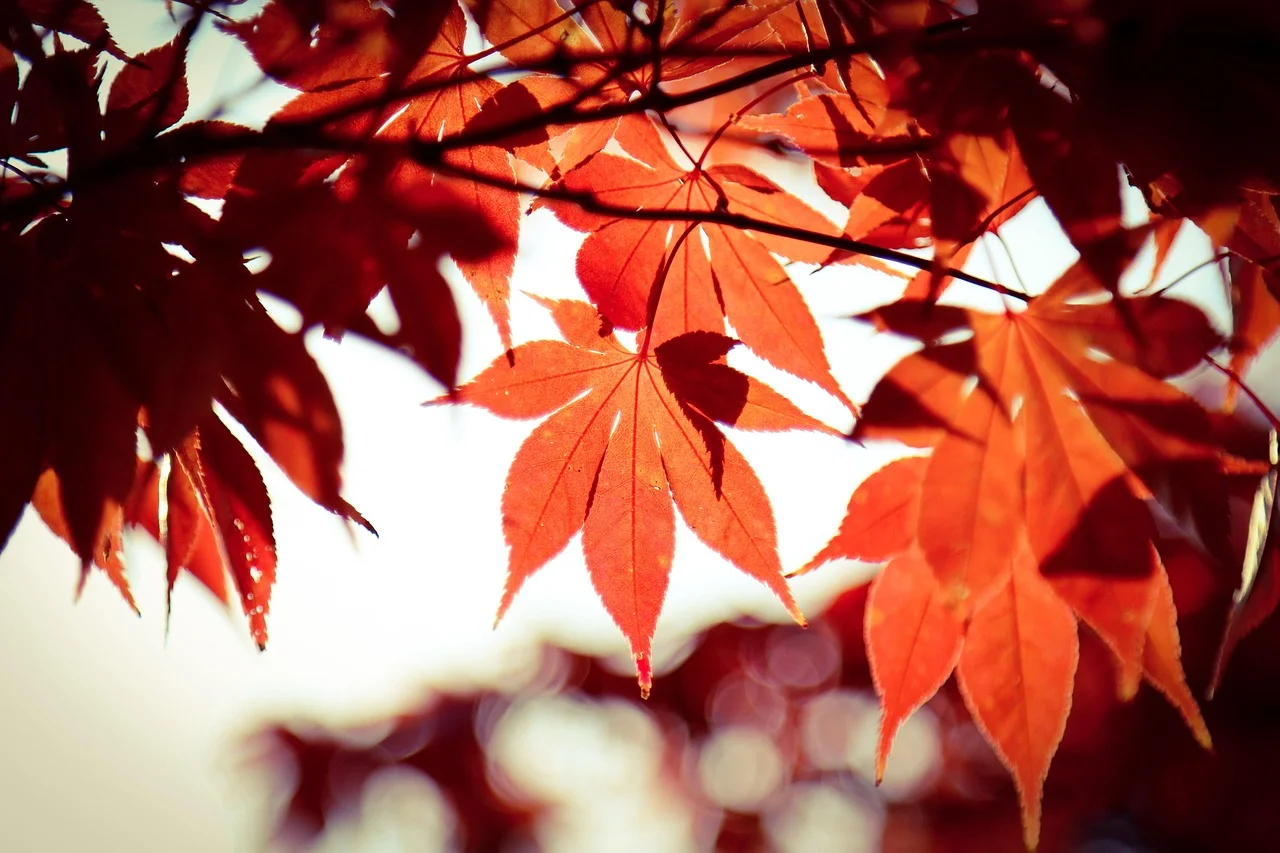
Top fall foliage spots
- Namsan (Seoul) — The most accessible foliage spot right in the heart of the city
- Bukhansan (Seoul/Gyeonggi) — A perfect combo of hiking and fall colors just outside Seoul
- Seoraksan National Park (Gangwon-do) — The first place in Korea to see fall colors. The Ulsanbawi Rock and Biryong Falls trails are iconic
- Naejangsan National Park (Jeonbuk) — Known as “the mountain of fall” for a reason — the foliage here is next-level
- Gyeongju — UNESCO World Heritage sites like Bulguksa Temple and Seokguram Grotto surrounded by autumn leaves
Fall festivals and events
- Andong International Mask Dance Festival (late Sep–early Oct) — Traditional Korean mask dances alongside performers from around the world
- Suwon Hwaseong Cultural Festival (late Sep–early Oct) — A traditional festival at a UNESCO World Heritage fortress
- Busan International Film Festival / BIFF (October) — One of Asia’s biggest film festivals
- Jinju Namgang Yudeung Festival (October) — Thousands of lanterns floating on the Namgang River — absolutely magical
Fall travel tips
- Check the Chuseok dates. Chuseok (Korean Thanksgiving) falls on a different date each year since it follows the lunar calendar. During the holiday, traffic gets extremely heavy, and some restaurants and shops close. On the bright side, many palaces offer free admission and special programs.
- Visit foliage spots on weekdays. October weekends at popular spots like Naejangsan or Seoraksan can be incredibly crowded. If your schedule allows, go during the week.
- Pack a light jacket. From late October on, mornings and evenings get noticeably chilly.
Conclusion: Pick the season that fits you
Korea is a place with something special in every season — cherry blossoms in spring, beaches and mud festivals in summer, fiery foliage in fall, and snowy landscapes with winter sports in the colder months. But the reason I specifically recommend spring and fall for first-timers is simple: it lowers the chance of a disappointing trip. The weather cooperates, the scenery is at its peak, and everything just feels easier.
That said, the most important thing is matching the timing to what you want out of the trip:
- First visit? Aim for April or October
- On a budget? January, February, or November offer the best deals on flights and hotels
- Unique festival experiences? Summer and winter each have festivals you won’t find anywhere else
You can check real-time festival schedules and travel info at the Korea Tourism Organization website (VisitKorea.or.kr). And don’t forget to factor in exchange rates and airfare prices when planning your dates — they can make a real difference.
FAQ
I’m visiting Korea for the first time. When’s the best time to go?
I’d say April or October. April gives you cherry blossoms with comfortable weather in the mid-teens (°C), and October offers peak fall foliage with clear skies and low rainfall. Both months are ideal for walking around all day without battling extreme heat or cold. October in particular had the highest number of foreign visitors in 2024 (1.6 million), and for good reason.
When is Korea’s monsoon season, and should I avoid it?
The monsoon season (jangma) typically runs from late June to late July. During this period, Korea gets heavy, sometimes torrential rain — Seoul alone averages around 415mm in July. You don’t need to completely avoid summer, but if outdoor sightseeing is a priority, aim for mid-August or later when the rain eases up. Summer does have great perks though, like the Boryeong Mud Festival and beautiful beaches in Busan and Jeju.
Is it okay to visit Korea during Chuseok or Lunar New Year?
You can, but plan ahead. Chuseok (fall harvest holiday) and Seollal (Lunar New Year) are Korea’s two biggest holidays. During these periods, many restaurants and shops close for several days, and transportation — especially between Seoul and other cities — gets extremely congested. However, there are upsides: palaces often offer free admission, and you might catch special traditional events and cultural programs. Just make sure to check the exact holiday dates (they shift each year based on the lunar calendar) and book accommodations early.
What’s the cheapest time to fly to Korea?
Generally, January, February, and November (excluding the Lunar New Year holiday period) are the most affordable months for flights and hotels. These are considered off-peak seasons, so you’ll find better deals across the board. Winter in Korea is cold but has its own charm — think snowy palaces, ice fishing festivals, and cozy Korean comfort food.
How different is the weather between Seoul, Busan, and Jeju?
Quite different, especially in winter. Seoul gets the coldest, dropping to an average of -2°C in January. Busan stays milder at about 2.4°C, and Jeju is the warmest at around 6.2°C. In summer, all three cities are hot and humid, though Jeju and Busan benefit from ocean breezes. If you’re visiting in winter and want to avoid the harshest cold, Jeju is your best bet — you can even see camellia flowers and canola blossoms there in the colder months.
Useful Korean Phrases
Tap to expand
Summary of Key Points
Spring (April–May) and Fall (September–October) are the best seasons for first-time visitors, with mild temperatures (10–20°C), clear skies, and Korea's most iconic scenery
Cherry blossom season runs from late March to early April — top spots include Yeouido (Seoul), Jinhae (Changwon), and Gyeongju
Fall foliage peaks from mid-October to early November — don't miss Seoraksan, Naejangsan, and Namsan in Seoul
Budget travelers should aim for January, February, or November for the best flight and hotel deals
Always check Chuseok and Lunar New Year dates — they affect transportation, restaurant availability, and crowd levels