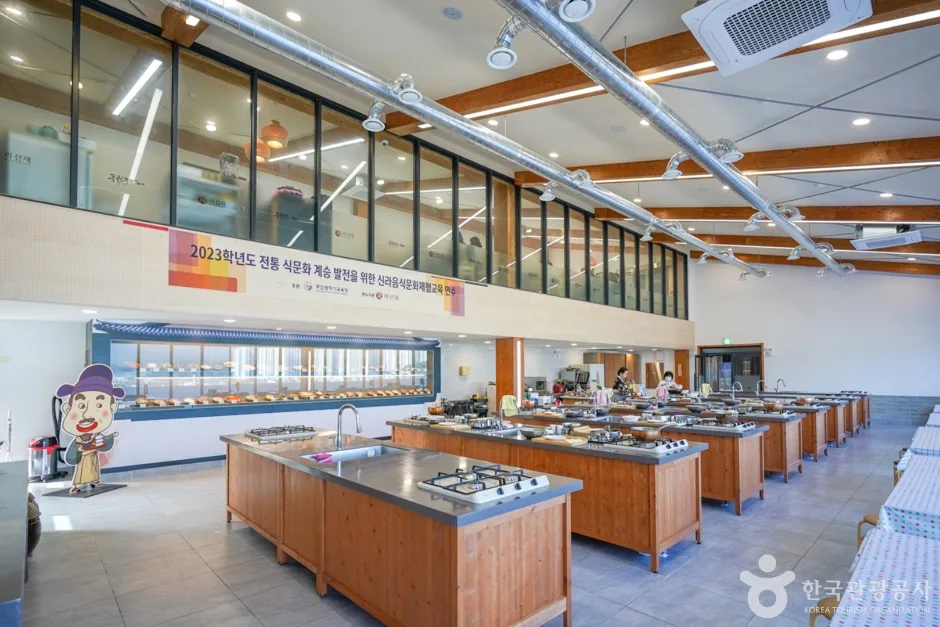
At a Glance: Rasunjae near Gyeongju introduces families to Silla royal cuisine through historical meals, cultural displays, and cooking classes.
Rasunjae (라선재) feels less like an ordinary restaurant and more like a living food-history workshop, similar in spirit to a small museum where the exhibits can be eaten. Located in Hyeongok-myeon, outside central Gyeongju, it focuses on recreating dishes associated with the royal courts of the Silla Kingdom. I found the concept especially appealing for families because children can connect history with familiar activities such as tasting, watching, and cooking.
The setting is also useful for travelers who want something beyond the main palace and temple circuit. You won’t simply be ordering a quick plate here; the experience is designed around historical context and traditional preparation. That makes it memorable, but families with very young children should allow extra time and expect a calmer, more structured visit than a casual meal.
What can you see and experience at Rasunjae?
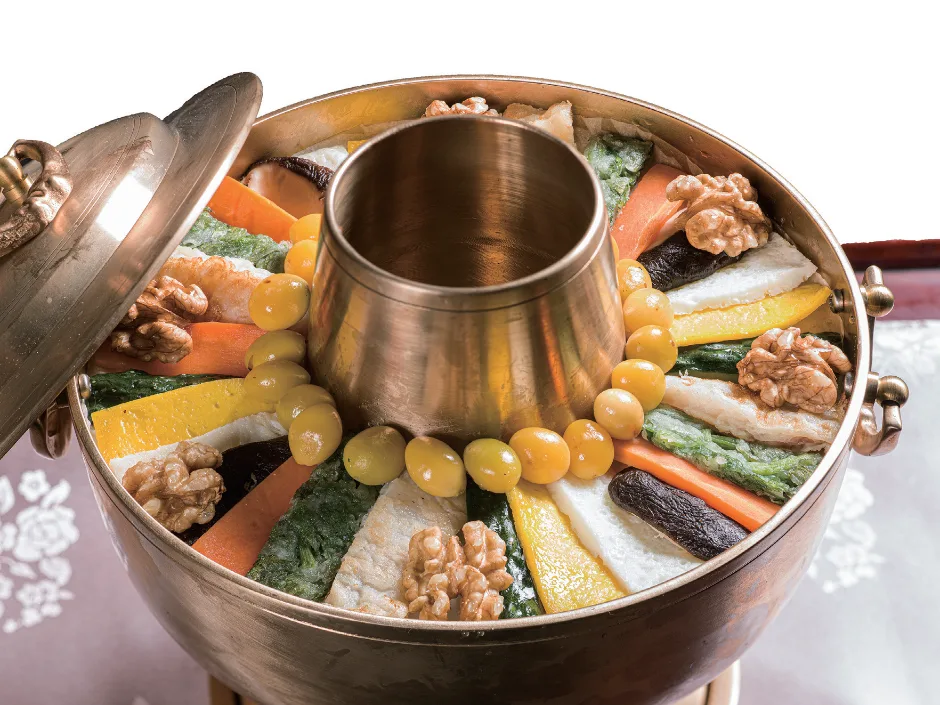
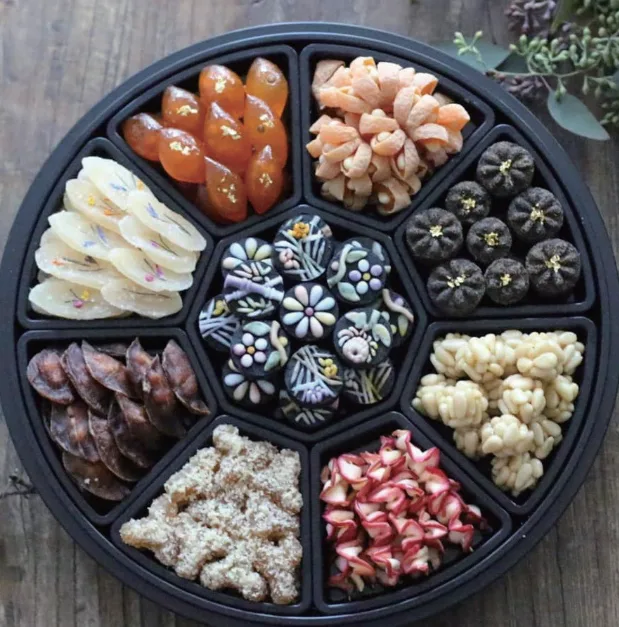
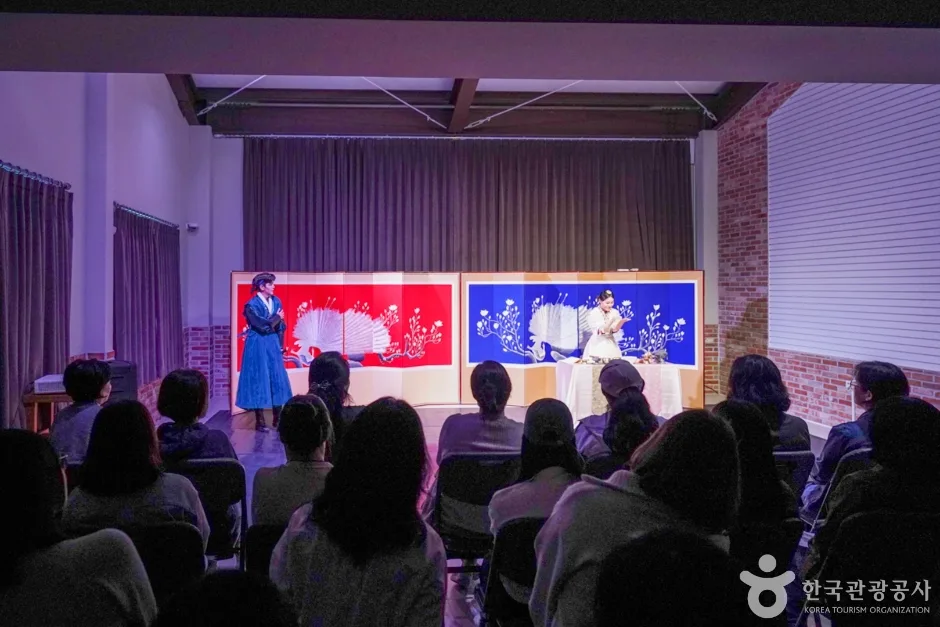
Rasunjae offers historical dining experiences centered on Silla-era court cuisine, including Poongwalju 50 and the Silla Twelve Kings Experience. These programs present food as part of the kingdom’s culture, rather than treating traditional dishes as isolated menu items.
The venue was established by Cha Eun-jeong, recognized as the first master of traditional Silla cuisine, together with Kim Jeong-Hoon, the second master chef. Their work aims to preserve older flavors and cooking methods, giving visitors a practical introduction to Silla food traditions. Just something to keep in mind.
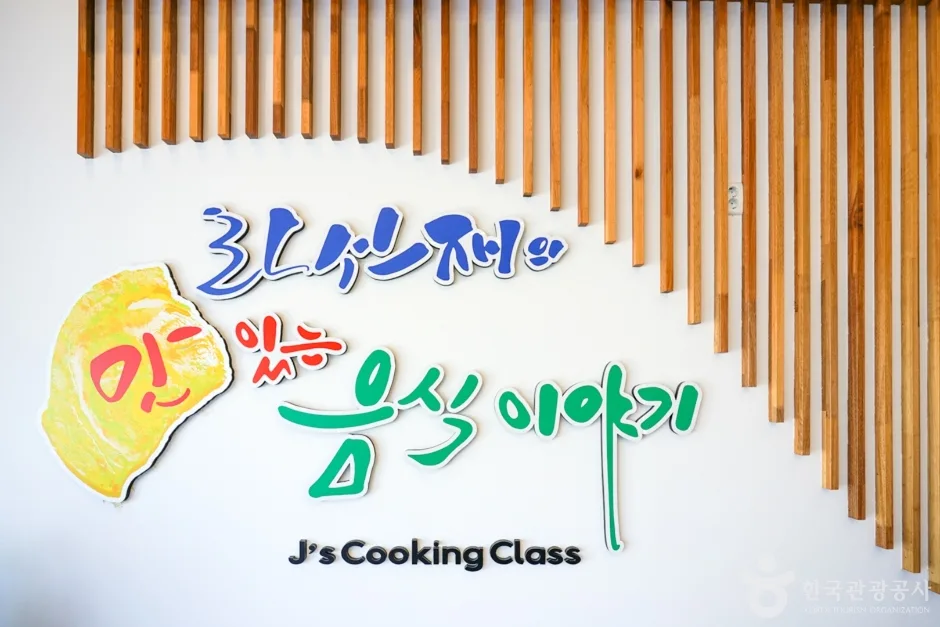
Families may also be able to join a K-Food cooking class designed for foreign visitors. This is probably the strongest option for children who lose interest during formal explanations because they can take part in the process. Ask about class availability when making inquiries; the official contact number is +82-54-771-6040.
What do most visitors miss about Rasunjae?
The main point people miss is that Rasunjae is a culinary institution as much as it is a dining venue. Its value lies in seeing how recipes, presentation styles, and historical storytelling work together to preserve a period of Korean culture that many international visitors know mainly through palace architecture.
This approach gives parents an easy way to explain why a dish matters without turning the visit into a lecture. You might compare it with court food from another country your children already know, then let them notice ingredients and serving styles for themselves. Traditional foods can be unfamiliar to younger travelers, though, so it helps to describe the meal as an exploration rather than promising that every dish will suit their taste. Would you agree?
One limitation is location. Rasunjae is not positioned beside a subway station or in central Gyeongju’s compact sightseeing area, so it requires deliberate planning. That inconvenience is real, but it also means the visit can become a quieter countryside stop between major attractions.
How long should you budget, and what does it cost?
Plan at least 90 minutes for a meal-centered visit, and allow two to three hours if you are combining dining with a cooking class or a longer historical program. Rasunjae operates from 09:00 to 20:00, with break time from 15:00 to 16:00, so avoid arriving during that afternoon closure.
No verified admission or menu prices were provided, so I would not invent a figure for the dining programs or classes. Contact Rasunjae before traveling to confirm current prices, reservation requirements, child participation rules, and whether an English-language explanation is available. This matters especially for families because historical course meals may not follow the flexible ordering style children expect at ordinary restaurants. Let me know if you have a different experience.
Tipping is not expected in South Korea. If you need assistance while dining, say 저기요 (jeogiyo), meaning “excuse me,” rather than calling across the room in English.
How do you get to Rasunjae and combine it with other visits?
Rasunjae is at 443-51 Yongdam-ro in Hyeongok-myeon, Gyeongju-si, Gyeongsangbuk-do, so driving or arranging a taxi is the most practical approach for most international visitors. The available information does not identify a nearby subway station or confirmed bus route, and Gyeongju’s rail network does not reach this rural address directly.
If you are using public transportation, ask your accommodation or a local tourist information center to confirm the latest bus connection before setting out; rural services can be less frequent than city routes. A rental car makes timing easier for families carrying bags or traveling with younger children, but enter the full Korean address into your navigation app because similar romanized place names can produce confusing results. Keep that in mind when you visit.
The visit works best as part of a wider Gyeongju day rather than as an unplanned stop. Pair it with other sites in the city only after checking travel times carefully; long detours can make children tired before the meal begins. In my experience, booking or calling ahead makes a bigger difference here than it would at an ordinary restaurant.
Photo Gallery
Essential Information
| Address | 443-51 Yongdam-ro, Hyeongok-myeon, Gyeongju-si, Gyeongsangbuk-do |
|---|---|
| Website | www.culinaryschool.co.kr (Korean only) |
| Operating Hours | 09:00-20:00 (Break time 15:00-16:00) |
| Inquiries | +82-54-771-6040 |
| Map | View on Google Maps |
Useful Korean Phrases
Tap to expand
Nearby Recommendations
Explore more places within 5km of this location
Nearby Restaurants
- No results found within 5km
Nearby Accommodation
- No results found within 5km
Nearby Attractions
- No results found within 5km