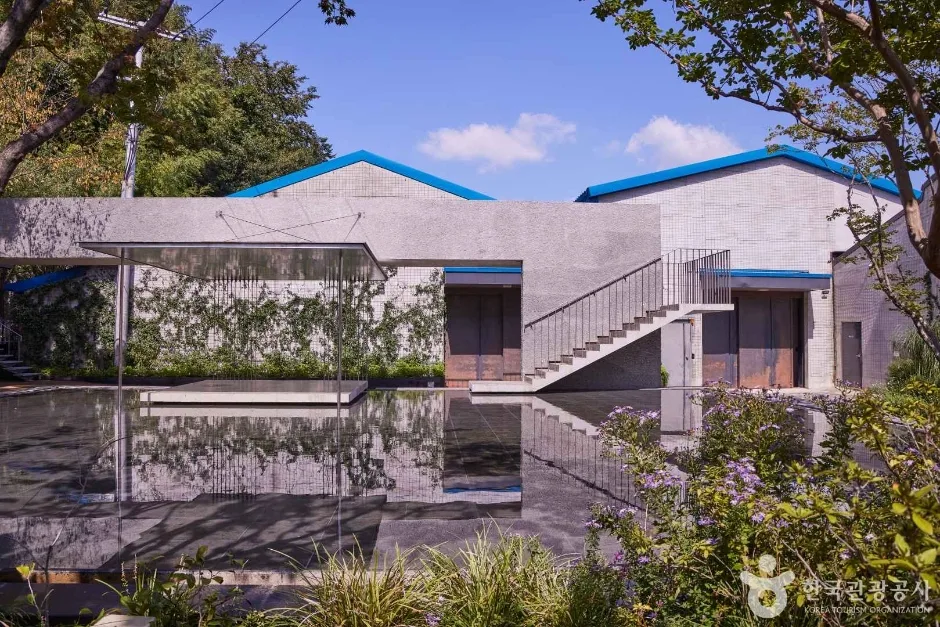
At a Glance: F1963 turns a former wire factory in Busan into an easygoing culture stop with exhibitions, cafes, gardens, and industrial character.
On a cool late afternoon in Busan, I arrived at F1963 expecting an ordinary converted warehouse and found something more thoughtful: old steel frames, long factory proportions, and planted outdoor paths that made the place feel open rather than museum-like. It is not worth trying for every first-time visitor, but if you enjoy architecture, contemporary art, books, coffee, or quieter city stops, this former wire factory is well worth adding to your Busan plan.
The useful thing I learned quickly is that F1963 works best as a flexible visit, not a single attraction with one fixed route. You can come for an exhibition, spend an hour at the library, meet someone for coffee, or simply walk through the regenerated industrial grounds. The only downside is that individual facilities do not always share the same schedule, so arriving without checking your intended venue can lead to a shorter visit than expected.
What can you see at F1963?
F1963 combines preserved factory architecture with art spaces, cultural facilities, shops, and landscaped walking areas. The site at 20 Gurak-ro 123beon-gil in Suyeong-gu once operated as a wire-production facility for roughly 45 years, beginning in 1963 and continuing until 2008.
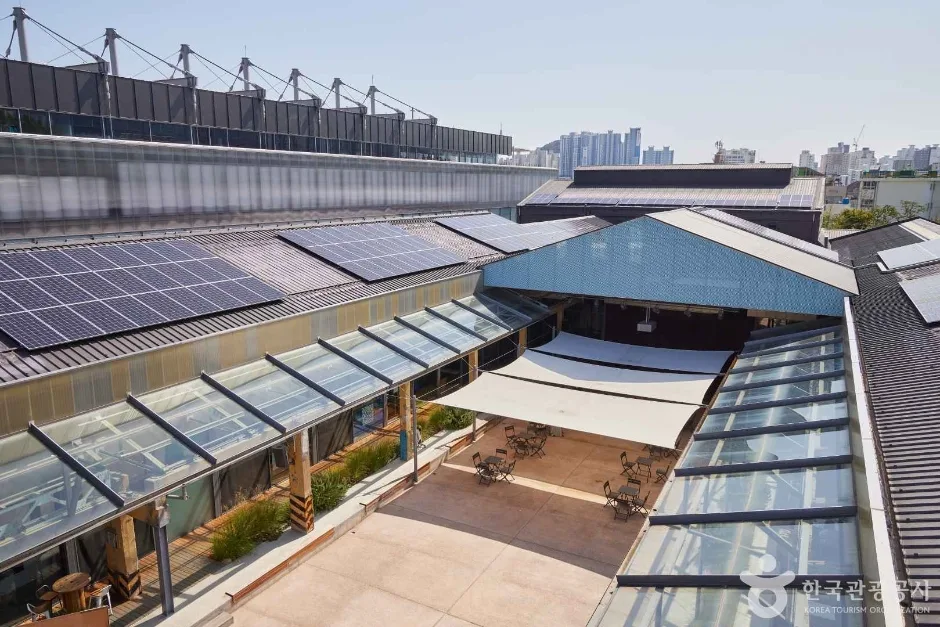
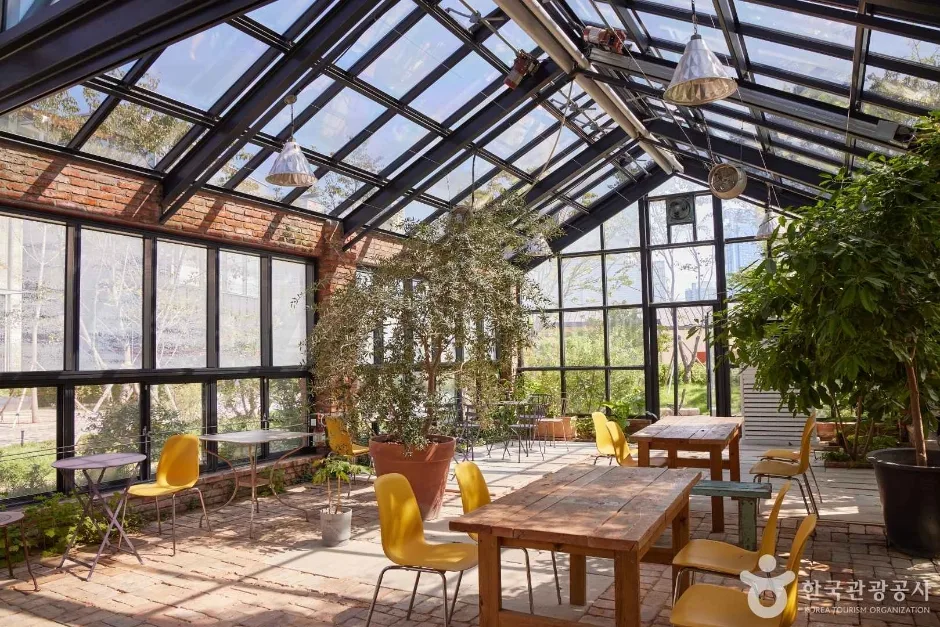
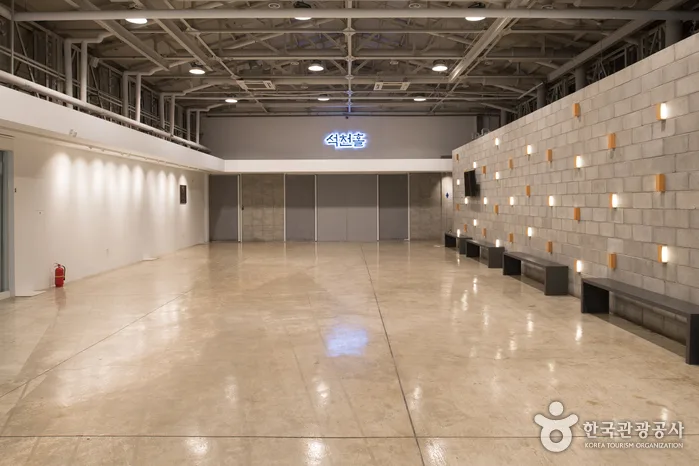
The building’s original framework was retained during its conversion into a cultural complex. That decision matters when you are walking inside: the exposed structure and broad industrial rooms still suggest how the factory worked, while exhibitions and events give the spaces a new purpose. F1963 became especially important to Busan’s cultural scene after hosting the 2016 Busan Biennale. You might feel differently though.
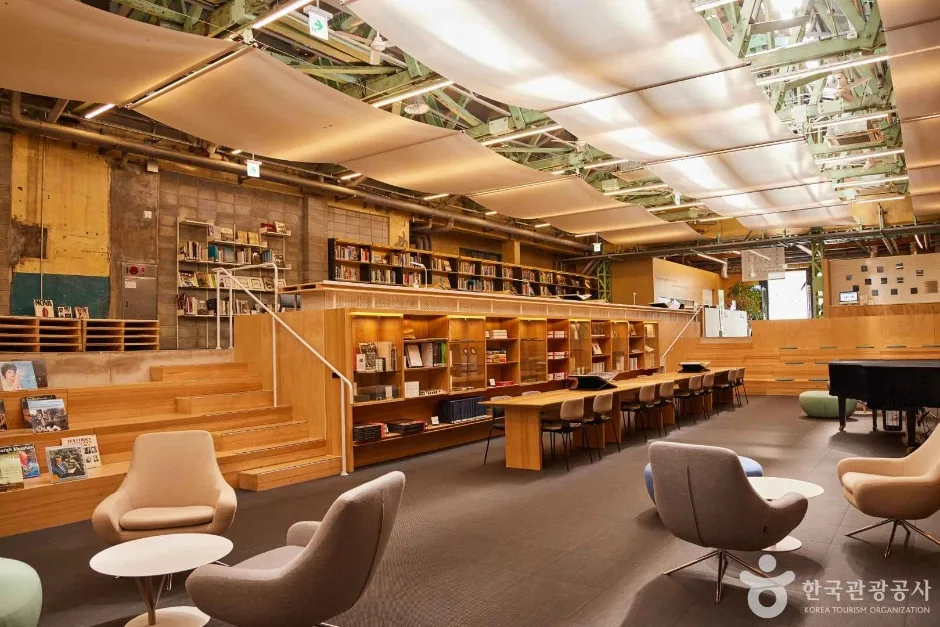
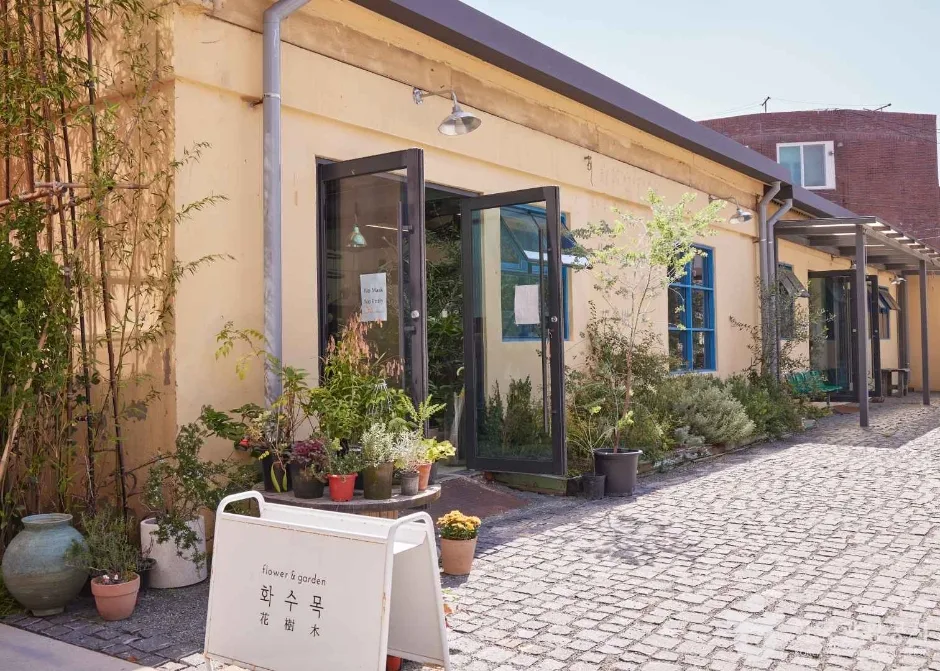
Inside, you may find an art library, exhibition areas, and a concert hall, although programming changes. The complex also includes Terarosa Coffee, Boksoondoga makgeolli (Makgeolli), and Hwasumok Flower & Garden. Boksoondoga focuses on traditional Korean unrefined rice wine, while Hwasumok offers gardening and flower-related classes when scheduled. If you are curious about makgeolli, this is a more interesting setting to try it than a generic bar.
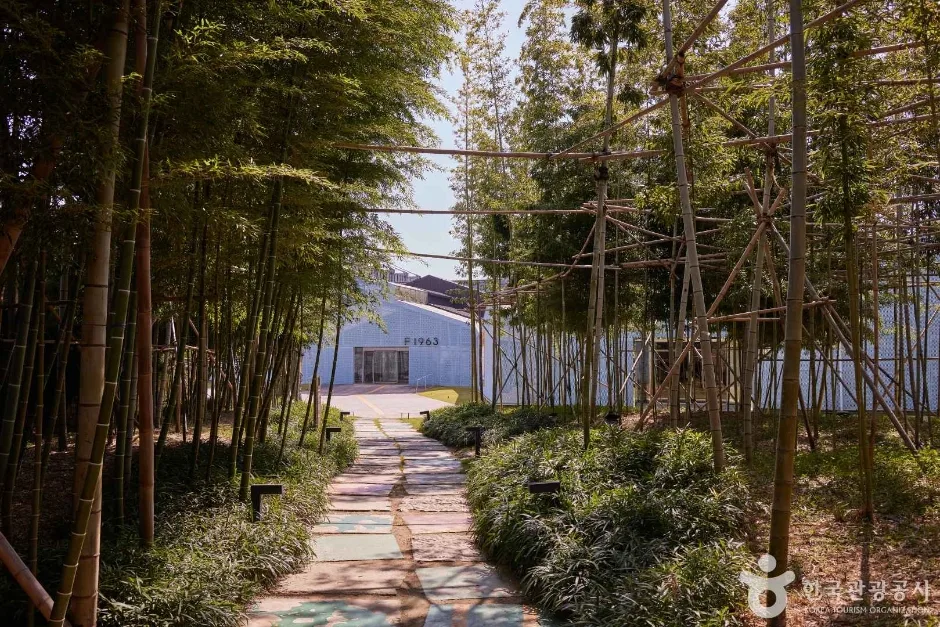
Allow around one to two hours for a relaxed visit, longer if you attend an event or class. The outdoor paths are particularly pleasant in mild weather, and they give you a chance to appreciate how the old factory and new landscaping fit together. Honestly, I would not rush through the site just to collect photographs; its appeal is in noticing the details of the renovation.
What are the best and worst parts of visiting?
The strongest feature is the balance between industrial history and everyday leisure. You can look at architecture, browse cultural material, drink coffee, and take a short walk without committing to a full museum itinerary. That makes F1963 useful on a rainy-day backup plan or as a slower stop between other Suyeong-gu attractions.
Another advantage is that admission to F1963 itself is free. You only pay separately for food, drinks, classes, performances, or any ticketed exhibitions. In my experience, this makes it easy to drop in for 30 minutes first and decide whether you want to stay longer. Curious what you think about that.
I have to say, but here’s the catch: F1963 is not one tightly controlled attraction with every room open all day. A quiet weekday may feel subdued if no exhibition or event is running, and some visitors may find the location less convenient than central Busan sights. The signage could also be clearer for first-time visitors trying to identify each facility. Have you ever planned around one cafe or gallery only to discover that its hours differ from the main complex? This is exactly where checking ahead helps.
How much does it cost and when can you visit?
F1963 has free admission, and the listed operating hours are 09:00 to 24:00. Hours vary by facility, so confirm the schedule for the exhibition hall, library, concert venue, cafe, restaurant, or class you plan to use; closure information should also be checked on the official website.
Here is the thing though — parking is available at ₩1,500 per 30 minutes (about $1.10 USD). The basic site entrance costs nothing, but budget separately for drinks and meals at Terarosa or Boksoondoga and for paid workshops at Hwasumok Flower & Garden. Prices for those individual services can change.
- Address: 20 Gurak-ro 123beon-gil, Suyeong-gu, Busan
- Phone: +82-51-756-1963
- Admission: Free
- Parking: Available at ₩1,500 per 30 minutes (about $1.10 USD)
How do you get to F1963?
The practical approach is to use public transport or a taxi after checking the route from your hotel because travel time depends heavily on where you start in Busan. Enter the full Korean address into your map app rather than relying only on “F1963,” then follow local bus or taxi directions to Gurak-ro 123beon-gil; parking is available if you drive.
If you are using public transport, leave extra time for the final walk from your stop because F1963 is set within a local neighborhood rather than directly beside a major tourist landmark. Busan’s subway-to-bus connections can be efficient, but route numbers and transfer points depend on your departure station. Keep your destination written in Korean as F1963 or use the address above when asking a driver.
A small cultural tip: keep voices low in shared indoor areas such as libraries and galleries, and avoid blocking narrow paths while taking photos. If you stop for food or drinks afterward, tipping is not expected in South Korea; water is generally free at restaurants.
F1963 rewards travelers who leave room for an unhurried cultural stop rather than trying to see everything in Busan at speed. Check the facility schedule before leaving your hotel, then give yourself time to wander through the old factory structure and outdoor paths.
Photo Gallery
Essential Information
| Address | 20 Gurak-ro 123beon-gil, Suyeong-gu, Busan |
|---|---|
| Website | www.f1963.org |
| Operating Hours | 09:00-24:00 * Vary by facility; refer to the website for details |
| Closed | Refer to the official website |
| Parking | Available (1,500 won for every 30 minutes) |
| Inquiries | +82-51-756-1963 |
| Map | View on Google Maps |
Additional Details
Free
Frequently Asked Questions
Is admission to F1963 free?
Yes. Admission to F1963 is free. Food, drinks, classes, performances, and some exhibitions may have separate charges.
What are F1963's opening hours?
The listed operating hours are 09:00 to 24:00. Individual facilities may operate on different schedules, so check the official website before visiting.
Is parking available at F1963?
Yes. Parking is available for ₩1,500 per 30 minutes (about $1.10 USD). For inquiries or current access information, call +82-51-756-1963.
Useful Korean Phrases
Tap to expand
Nearby Recommendations
Explore more places within 5km of this location
Nearby Restaurants
- Subyeon Choego Dwaeji Gukbap Millak Main Store (수변최고돼지국밥 민락본점)2.8km부산광역시 수영구 광안해변로370번길 9-32
- Hyeongje Jeontong Dwaeji Gukbap (형제전통돼지국밥)4.5km
- Haeundae Amso Galbijip ( 해운대암소갈비집)4.8km32-10, Jungdong 2-ro 10beon-gil, Haeundae-gu, Busan
Nearby Accommodation
- No results found within 5km
Nearby Attractions
- Mangmidangil Street (망미단길)568mSuyeong-dong, Suyeong-gu, Busan
- B-Con Ground (비콘그라운드)749m49-1 Mangmibeonyeong-ro, Suyeong-gu, Busan
- Human Care Service ((주)휴먼케어서비스)923m#1012, 10F, 1-dong, 99 Centum dong-ro, Haeundae-gu, Busan