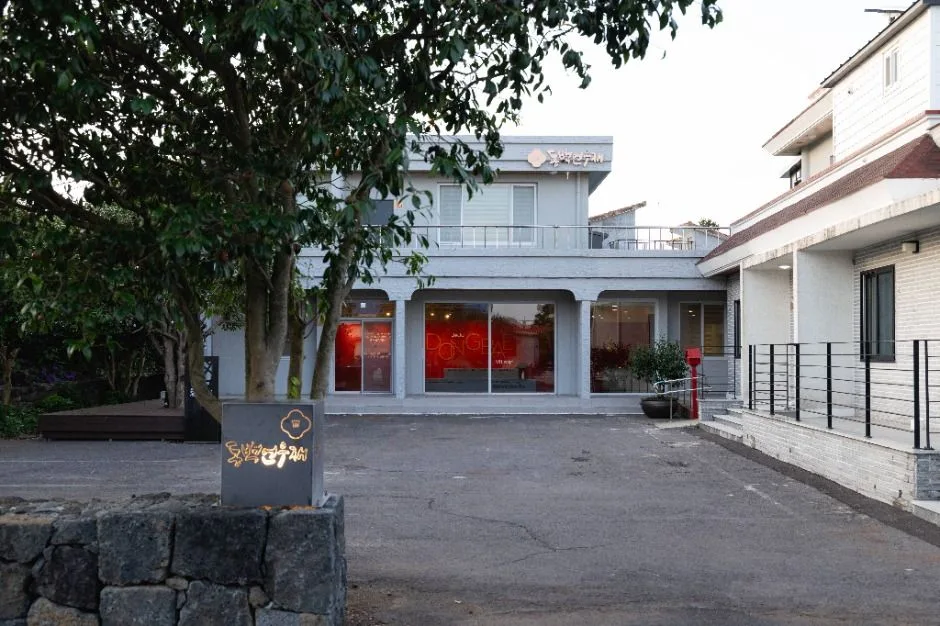
At a Glance: Jeju Dongbaek Village offers free camellia walks, hands-on workshops, and locally made oil in a quiet community setting.
If a friend asked me about Jeju Dongbaek Village (제주 동백마을), I’d say this: don’t treat it as a quick flower-photo stop; visit when you can join a workshop or walk slowly through the old camellia landscape. Online descriptions sometimes make it sound like a formal botanical garden, but it is really a living village with community-run experiences, traditional trees, and local products. Admission is free, and the visit feels most worthwhile when you allow time for the people and stories behind the trees.
Why do travelers recommend Jeju Dongbaek Village (제주 동백마을)?
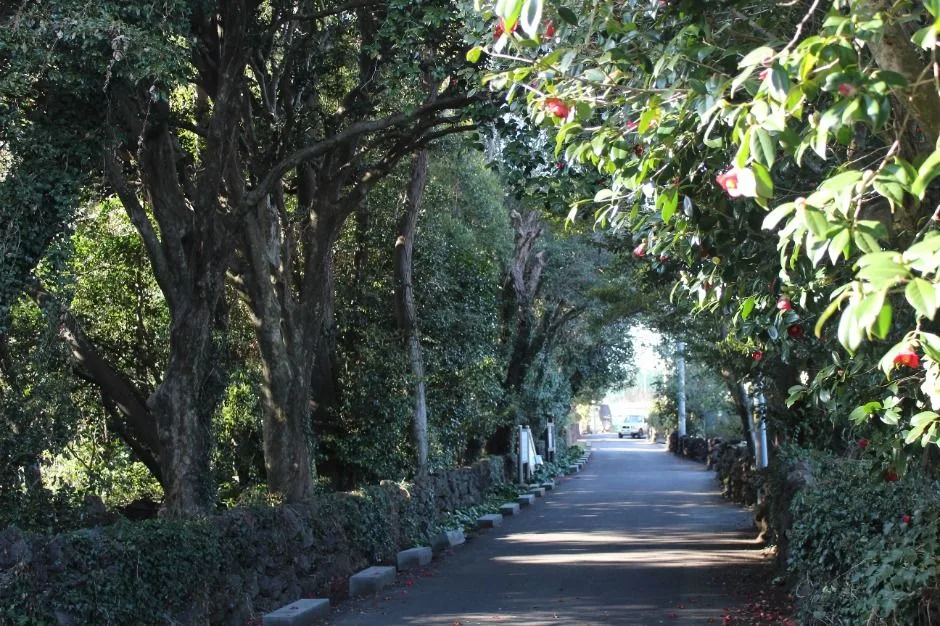
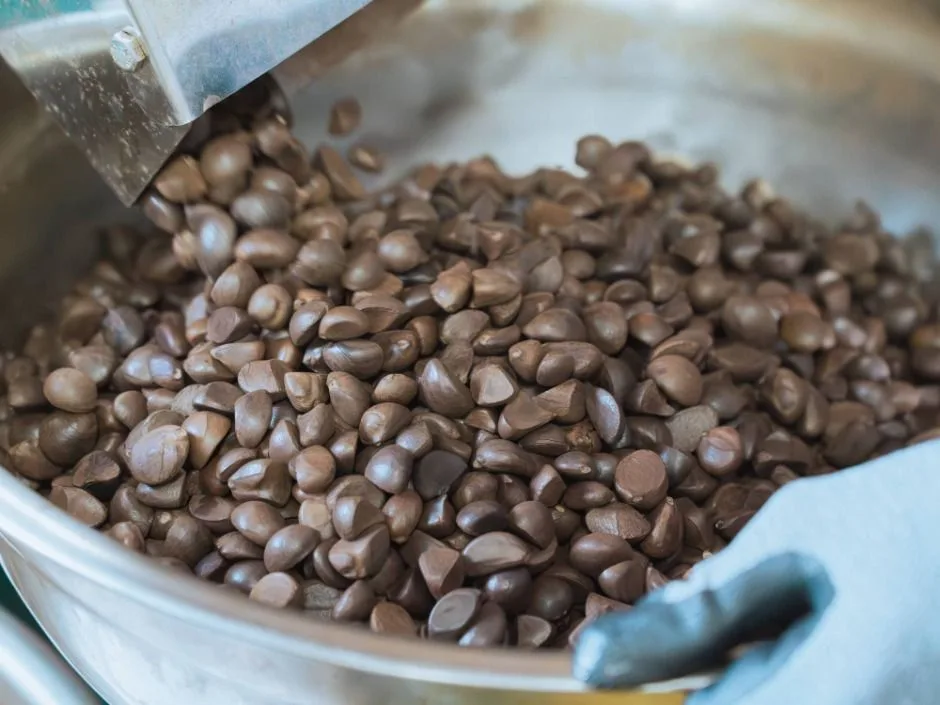
Travelers recommend the village because its camellia trees are part of a long-established rural community rather than a newly planted display area. Some native trees are estimated to be 300 to 400 years old, while the village itself has maintained its camellia tradition for roughly three centuries. You can see trees spread through the village and learn how their seeds support local products.
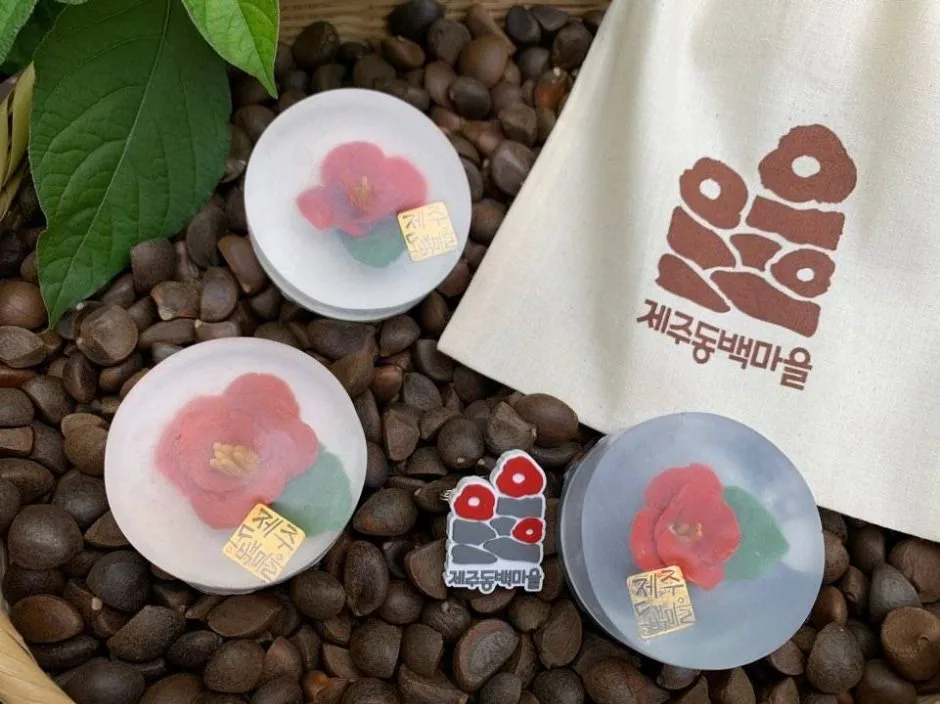
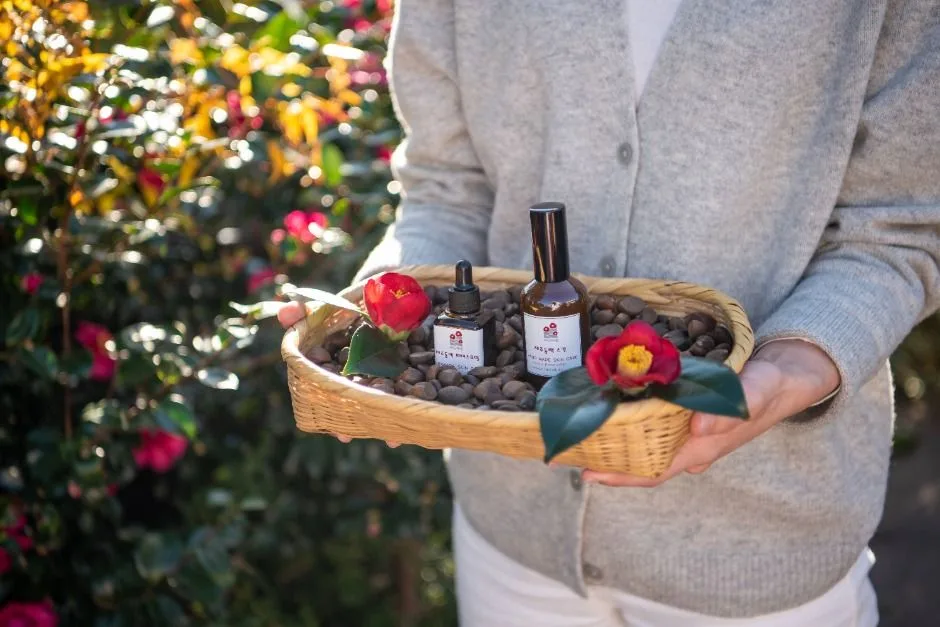
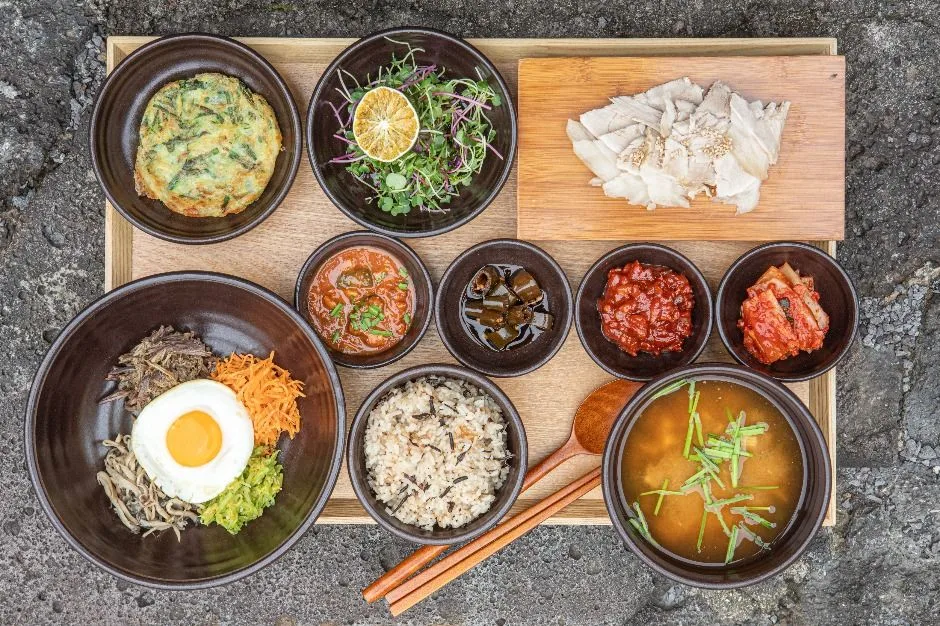
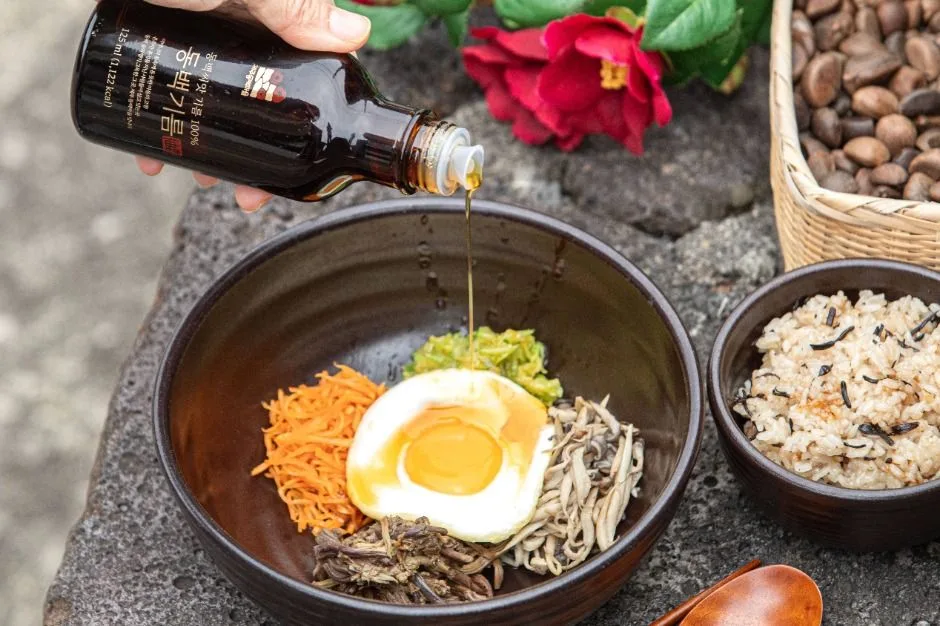
The community-operated mill sells authentic camellia oil, and visitors can take part in activities such as camellia craft making, soap making, cooking classes using camellia oil, and guided camellia forest experiences. A village stay is also available for travelers who want more than a daytime visit. I found this practical angle more interesting than simply taking pictures: you leave understanding what the plant means to local residents. Your experience might differ, of course.
From October through March, villagers may also sell locally grown tangerines. Availability can vary with the harvest, so don’t plan your entire trip around buying fruit. The only downside is that the attraction may feel quiet if no experience program is running, especially for visitors expecting a large park with many signs and facilities.
What is the layout of Jeju Dongbaek Village?
Jeju Dongbaek Village is spread through a rural settlement in Namwon-eup, so expect a village walk rather than one compact attraction entrance leading to every sight. The mature camellias appear in different parts of the community, while craft activities, product sales, and other programs are connected to local facilities.
What struck me was that the address is 22-1 Hansin-ro 531beon-gil, Namwon-eup, Seogwipo-si, Jeju-do. Free parking is available, which makes driving the simplest option for most visitors exploring southern Jeju. There is no subway service in this rural part of the island; if you arrive by bus or taxi, allow extra time for transfers and walking because exact public transport details depend on your starting point.
Wear comfortable shoes and avoid rushing between tree areas. This is not an attraction where every feature fits neatly into one paved loop. Also remember that you are walking through an active community: keep noise down near homes and follow any directions given by staff during forest or workshop programs.
How much time should you spend at Jeju Dongbaek Village?
Plan at least 60 to 90 minutes for a simple visit, or half a day if you book an experience program. A short stop allows time to see some old camellias and browse local products; adding soap making, cooking, crafts, or a forest activity naturally extends the visit.
If you are visiting during the flowering season or between October and March when tangerines may be sold, build in extra time for photographs and shopping. Camellias are seasonal plants, so flowering conditions change each year; even outside peak bloom, the older trees and community setting remain the main reason to come.
In my experience, arriving early makes a difference because the official hours are limited and weekend access is not available. If your itinerary only includes Saturday or Sunday, this stop will not fit unless operating information changes later.
What are the practical details for visiting?
Jeju Dongbaek Village is open from 09:00 to 18:00 and admission is free. It is closed on Wednesdays, Saturdays, Sundays, and public holidays, so schedule it on Monday, Tuesday, Thursday, or Friday instead.
- Address: 22-1 Hansin-ro 531beon-gil, Namwon-eup, Seogwipo-si, Jeju-do
- Parking: Free parking available
- Contact: +82-64-764-8756
- Available experiences: camellia crafts, camellia soap making, cooking class, camellia forest experience, and village stay
You might be wondering whether advance planning matters when entry costs nothing. It does if you want an activity rather than just a walk; contact the village before visiting to ask about program schedules and participation arrangements. The phone number is especially useful because workshop availability may not match your arrival time. That part surprised me.
Cultural etiquette here is straightforward: ask before photographing residents or private homes, keep voices low near houses, and leave trees and fallen fruit undisturbed unless staff invite you to handle them. If you buy oil or handmade items directly from the community mill or activity center without haggling aggressively — unlike some traditional markets — you support the preservation work that keeps these old camellias standing.
A useful way to combine the visit
The village works best as one stop on a southern Jeju driving day rather than as your only destination. Pair it with other Namwon-area scenery only after checking travel times on your map app; Jeju’s roads can make nearby-looking places take longer than expected. For many visitors researching camellias, local agriculture provides more context than another landscaped photo garden ever could.
Photo Gallery
Essential Information
| Address | 22-1 Hansin-ro 531beon-gil, Namwon-eup, Seogwipo-si, Jeju-do |
|---|---|
| Website | www.jejudongbaektown.com |
| Operating Hours | 09:00-18:00 |
| Closed | Wednesdays, Saturdays, Sundays, and public holidays |
| Parking | Available (Free) |
| Inquiries | +82-64-764-8756 |
| Experiences | Camellia craft making, camellia soap making, cooking class, camellia forest experience, village stay |
| Map | View on Google Maps |
Additional Details
Free
Frequently Asked Questions
Is Jeju Dongbaek Village free to enter?
Yes. Admission to Jeju Dongbaek Village is free. You may need separate arrangements or fees for optional activities such as soap making, cooking classes||||and craft programs.
When is Jeju Dongbaek Village open?
The village operates from 09:00 to 18:00. It is closed on Wednesdays|||| Saturdays|||| Sundays||||and public holidays.
Is parking available at Jeju Dongbaek Village?
Yes||||free parking is available at the village. The address is 22-1 Hansin-ro 531beon-gil||||Namwon-eup||||Seogwipo-si||||Jeju-do||||and driving is generally convenient because there is no nearby subway service.
Useful Korean Phrases
Tap to expand
Nearby Recommendations
Explore more places within 5km of this location
Nearby Restaurants
- No results found within 5km
Nearby Accommodation
- No results found within 5km
Nearby Attractions
- Seogwipo Gasiri Village (Noksan-ro Canola Flower Road) (서귀포 가시리마을 (녹산로 유채꽃도로))4.3km20 Gasi-ro 565beon-gil, Pyoseon-myeon, Seogwipo-si, Jeju-do