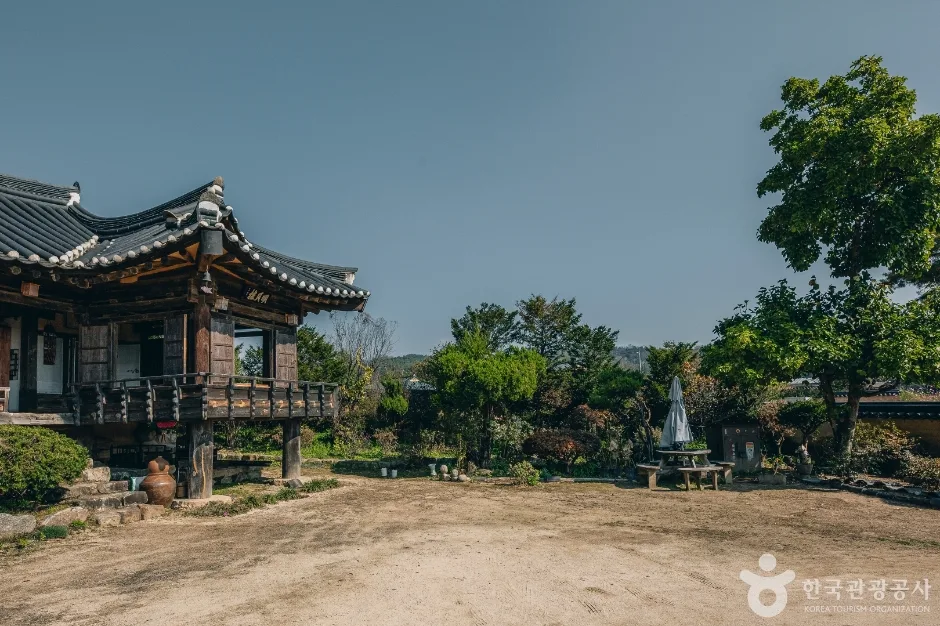
At a Glance: Manhoegotaek offers a quieter, budget-conscious stay in rural Bonghwa, with a traditional Korean house setting away from busy tourist districts.
I expected Manhoegotaek (만회고택) to feel like a polished countryside hotel, but the address at 51 Baraemi 1-gil, Bonghwa-gun, Gyeongsangbuk-do points to something more local and characterful: accommodation in a traditional Korean house setting. As a retired teacher living in Korea, I’ve learned that places like this are best approached as part of the destination, not simply as somewhere to sleep. You trade predictable hotel facilities for atmosphere and a slower morning.
For budget travelers, that exchange can make sense. Bonghwa is far less expensive and crowded than South Korea’s major sightseeing cities, though you’ll need to plan transport carefully because this is not an urban stay with subway access outside the door. Bring a little patience, keep your schedule flexible, and let the rural setting do some of the work.
What makes Manhoegotaek stand out among nearby hotels?
Manhoegotaek stands out because it offers a traditional accommodation experience in Bonghwa rather than a standard chain-hotel room. Its location on Baraemi 1-gil places you in a quieter part of Bonghwa-gun, where the appeal is local surroundings and architectural character rather than shopping streets or nightlife.
You might be wondering what “traditional accommodation” means in practice. A Korean heritage house may use floor-based sleeping arrangements instead of a Western-style bed, and shared or compact facilities are possible depending on the room type. The design may also reflect the old hanok tradition, including timber structures and rooms arranged around an inner courtyard.
Between you and me, the main saving is not only the room rate. Staying outside a major city can reduce your daily spending on restaurants and attractions, especially if you buy simple provisions before arriving. Just remember that bargaining is generally acceptable at traditional markets but not at regular hotels or modern shops; don’t expect to negotiate your accommodation price at check-in.
How are the facilities and rooms?
The available verified information identifies Manhoegotaek as accommodation but does not provide confirmed room layouts, bathrooms, breakfast details, check-in hours, parking information, or specific amenities. I would therefore confirm those points directly before paying, particularly if you need an ensuite bathroom or cannot sleep comfortably on a floor mattress.
Traditional Korean stays can be enjoyable when you understand the rhythm of the building. Remove your shoes before entering indoor areas if requested, keep noise low at night, and treat wooden floors and doors gently. If an ondol-style heated floor is used, avoid placing delicate luggage or electronics directly on very warm surfaces.
- Ask whether your room has a private bathroom.
- Confirm bedding arrangements and maximum occupancy.
- Check whether breakfast, parking, towels, and Wi-Fi are included.
- Ask for precise directions if arriving after dark.
The only downside is uncertainty: without published facility details in the supplied information, planning requires one extra message or phone call. That small effort can prevent an uncomfortable surprise after a long journey through rural Gyeongsangbuk-do.
What do guests say about Manhoegotaek?
No verified guest-review summary was provided for Manhoegotaek, so I won’t invent claims about cleanliness, hospitality, beds, or noise. Instead, read recent reviews with practical questions in mind: do visitors mention heating performance, bathroom access, host communication, road noise, and ease of finding the property?
For this kind of stay, comments about the host may matter more than generic star ratings. A helpful host can explain local transport and nearby food options; unclear directions can be frustrating when buses are infrequent or map pins lead you to a nearby lane rather than the entrance. In my experience, arriving during daylight makes a noticeable difference in rural areas.
How do you book Manhoegotaek and keep costs down?
You should confirm current availability and pricing directly through the booking channel that lists Manhoegotaek (만회고택), because no verified rate or booking policy was supplied here. Since there are no confirmed prices to quote responsibly — even approximate figures — compare the total cost after taxes and ask whether weekends require different rates.
Look, the most economical plan is to choose dates outside Korean public holidays and peak autumn foliage periods if your schedule allows. Contact the property before booking to confirm check-in time, payment method, cancellation rules, transportation advice from your arrival point in Bonghwa-gun, and whether meals are available; these details affect your real trip budget more than the headline room price.
Here is the thing though — bonghwa does not offer Seoul-style subway convenience near this address. Plan around intercity bus or regional transport connections and consider renting a car if you are combining several rural sights; otherwise factor taxi costs into your budget before committing. There is no reason to overspend once you arrive — bring snacks from a supermarket or market stop — but don’t cut transport costs so tightly that you miss your check-in window.
A sensible low-cost plan
- Reserve one night first if you are unsure about traditional-house lodging.
- Arrive before sunset with offline maps and the property’s phone number saved.
- Buy water and simple food before reaching Baraemi 1-gil.
- Confirm every included amenity in writing rather than assuming it comes with the room.
This is not the right choice for travelers who want elevators, late-night dining downstairs, or guaranteed hotel-standard facilities. But if your priority is an affordable rural base with traditional Korean character — and you’re comfortable planning ahead — Manhoegotaek could be exactly the kind of quiet stop that makes Bonghwa feel distinct.
Essential Information
| Address | 51 , Baraemi 1-gil, Bonghwa-gun, Gyeongsangbuk-do |
|---|---|
| Map | View on Google Maps |
Useful Korean Phrases
Tap to expand
Nearby Recommendations
Explore more places within 5km of this location
Nearby Restaurants
- No results found within 5km
Nearby Accommodation
- No results found within 5km
Nearby Attractions
- Seokcheongyegok Valley (석천계곡)1.7kmSamgye-ri, Bonghwa-gun, Gyeongsangbuk-do