Click to generate audioFirst play may take 10-15 seconds
At a Glance: Gwonjeoreum Parasitic Cone offers easy hiking and scenic views, making it a great spot for leisurely outdoor activities in Jeju.
Gwonjeoreum Parasitic Cone (권제오름) is an easily accessible hiking spot located within the Jeju National University campus. At less than 300 meters tall, it’s more of a gentle hill than a daunting mountain, good for those looking to enjoy a pleasant outdoor stroll.
What makes Gwonjeoreum Parasitic Cone (권제오름) worth visiting?
This parasitic cone is significant not only for its manageable height but also for its location. The term ‘oreum’ in the local Jeju dialect refers to these types of volcanic formations found throughout the island. Gwonjeoreum is particularly popular among university students and locals, serving as a peaceful retreat from the hustle of daily life.
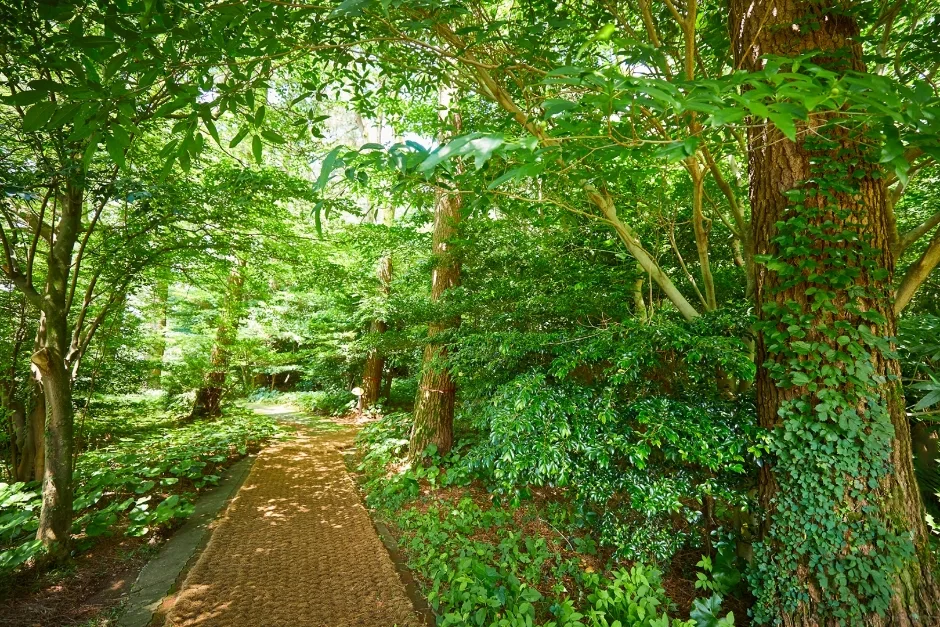
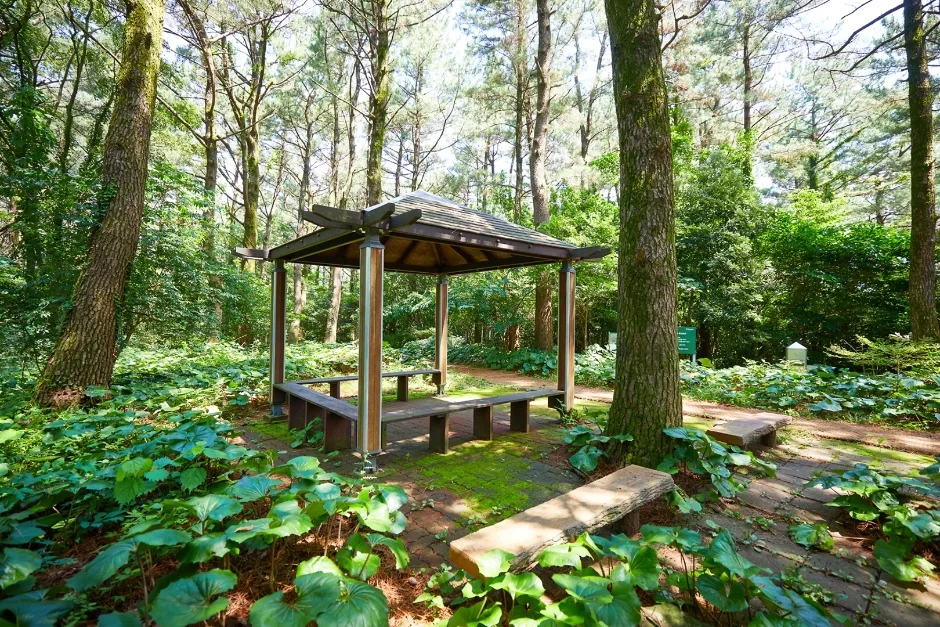
The trails are well-maintained with gentle slopes, so you won’t have to worry about strenuous climbing. You can complete a round trip in about an hour or so, allowing plenty of time to soak up the serene views of the surrounding landscape.
How do you get to Gwonjeoreum Parasitic Cone (권제오름)?
Getting to Gwonjeoreum is straightforward if you’re staying in Jeju City. The best option is to drive or take a taxi directly to Jeju National University Ara Campus. Keep in mind that there isn’t any parking available at the site itself; however, you can use the university’s parking lot nearby.
If you’re relying on public transportation, buses are available that drop off close to the campus. Just check local bus schedules ahead of time so you know when the next service will arrive.
What should you know before visiting Gwonjeoreum Parasitic Cone (권제오름)?
The cone is open 24 hours a day and doesn’t require any admission fee — it’s completely free! This accessibility makes it an attractive option for both quick visits and longer excursions.
One thing that might catch you off guard is that despite its proximity to the university, amenities like restrooms and food options aren’t readily available on-site. It’s wise to bring water and snacks if you plan on spending an extended period there. Also, since it’s mainly used by locals, be prepared for some quiet moments where nature takes center stage. Would you agree?
What else is nearby?
The area around Gwonjeoreum offers other attractions worth exploring as well. Not too far away is Hallasan National Park, home to South Korea’s highest peak, Hallasan (한라산), which provides extensive hiking trails if you’re interested in more challenging treks.
You might also want to check out nearby cultural sites or cafes where you can sample local dishes after your hike — just remember that traditional eateries usually don’t expect tips here!