Click to generate audioFirst play may take 10-15 seconds
At a Glance: Visit Jeonuihyanggyo Confucian School for a glimpse into Korea's educational heritage amidst tranquil surroundings.
On my recent visit to Jeonuihyanggyo Confucian School (전의향교), the sun was shining brightly, casting a warm glow over the traditional structures. The school, built in 1413 during King Taejong’s reign, is a peaceful spot away from the busyness of modern life. This is my third time here, and I find something new each visit, whether it’s the subtle changes in the seasonal landscape or the quiet moments of reflection.
What will you find at Jeonuihyanggyo Confucian School (전의향교)?
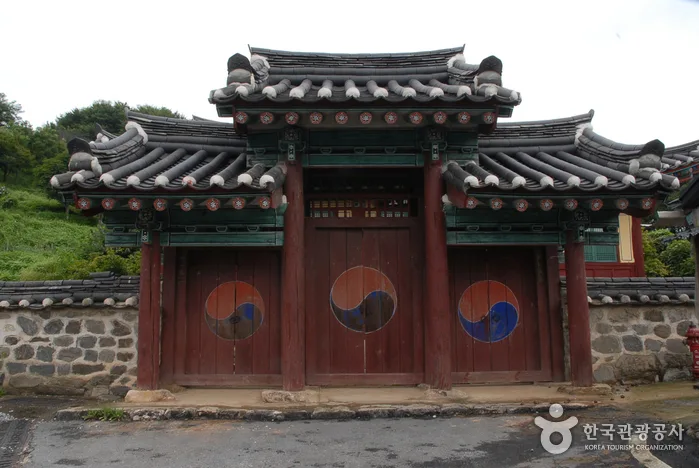
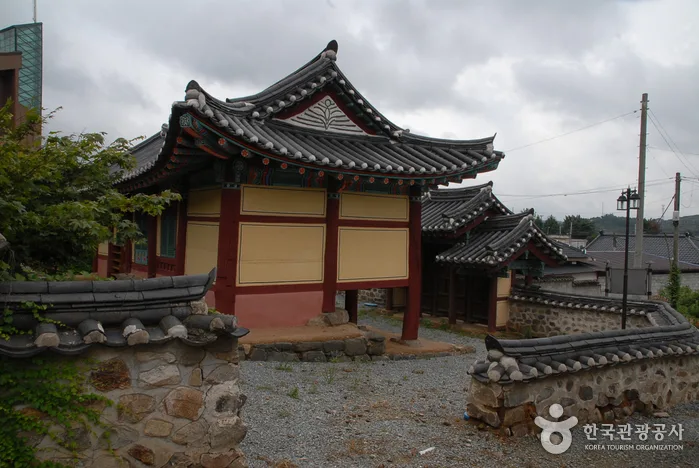
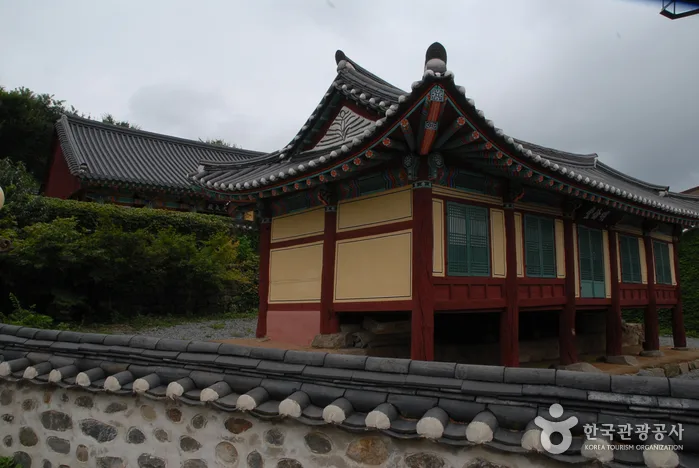
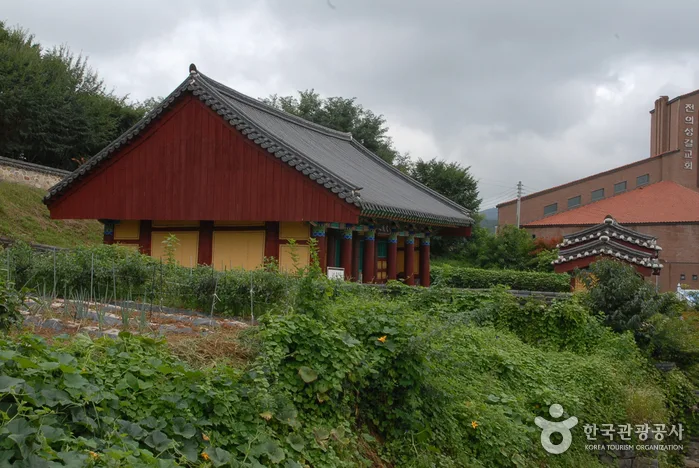
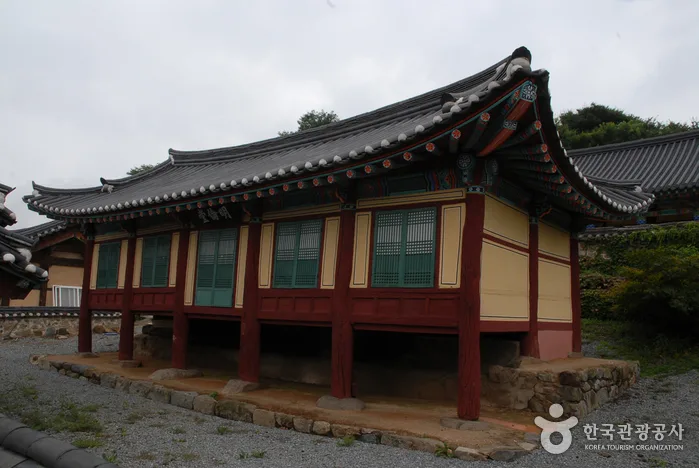
The main features of Jeonuihyanggyo are its two primary halls: Myeongnyundang and Daeseongjeon. Each hall has three gates leading to them, making for an interesting architectural layout. You can also spot Sujiksa Temple just outside the western wall of Myeongnyundang Hall. It’s not an overly complex site, but its simplicity offers a serene atmosphere good for contemplation.
What struck me was that during previous visits, I’ve noticed several ancient texts on rituals that were found here, including Eojeyuneum, published in the late 18th century. These elements give visitors insight into Confucian teachings and the school’s historical significance.
When is the best time to visit Jeonuihyanggyo Confucian School (전의향교)?
Spring and autumn are ideal times to explore this site. In spring, cherry blossoms bloom nearby, creating a picturesque setting. Autumn showcases colorful foliage that adds vibrancy to the school’s tranquil grounds. I found that visiting early in the morning enhances the peaceful ambiance.
Honestly, that said, summer can get quite hot, so be prepared with plenty of water if you choose to visit during this season. Winter brings a different beauty as snow lightly blankets the site, but be mindful of icy paths.
How can you reach Jeonuihyanggyo Confucian School (전의향교) by public transit?
Reaching Jeonuihyanggyo is quite straightforward via public transportation. From Seoul Station, take a train to Sejong City; it typically takes about two hours depending on connections. Once you arrive in Sejong-si, local buses frequently service routes close to the school.
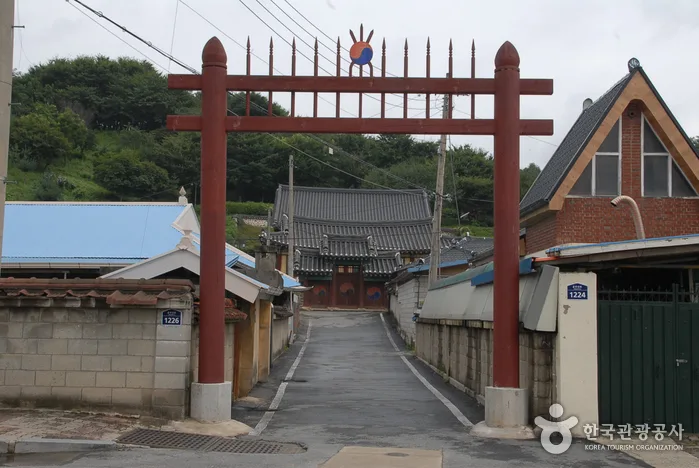
I know this sounds obvious, but if you’re driving, there are parking spaces available near the entrance, but it’s best to check if they get filled up quickly on weekends. The location is central enough that you can combine your visit with other attractions nearby.
Any tips for first-time visitors?
If you’re heading there for the first time, keep these tips in mind: First, plan your visit during weekdays if possible; weekends can draw crowds that detract from the serene atmosphere. Also, while exploring, respect any ongoing ceremonies or events that might be taking place at the school.
A little cultural tip: when visiting traditional sites like this one, dress modestly as a sign of respect. And remember to enjoy some quiet time—sitting on one of the benches with a view of the halls can be quite restorative.