Click to generate audioFirst play may take 10-15 seconds
At a Glance: Oeosa Temple (오어사(포항)) offers a serene escape with rich history, perfect for mindful travelers seeking peace and culture.
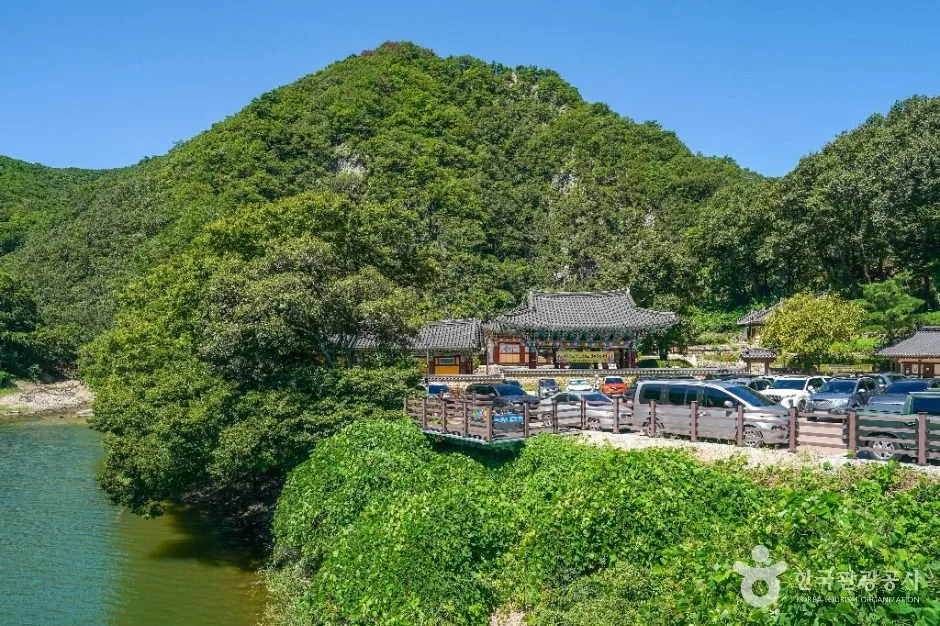
Visiting Oeosa Temple (오어사(포항)) should be on your itinerary if you want a blend of tranquility and cultural depth. Perched on the slopes of Unjesan Mountain, this temple has roots that trace back to the 7th century, making it a significant piece of Korea’s spiritual landscape. The calm environment, paired with its historical significance, provides a great opportunity to experience Korean Buddhist culture.
Oeosa Temple stands out due to its fascinating history and beautiful surroundings. Originally founded as Hangsasa during the Silla dynasty, it is associated with the legendary monk Wonhyo. The name ‘Oeosa’ translates to ‘My Fish Temple,’ which comes from a local legend involving Wonhyo attempting to revive fish in a nearby stream.
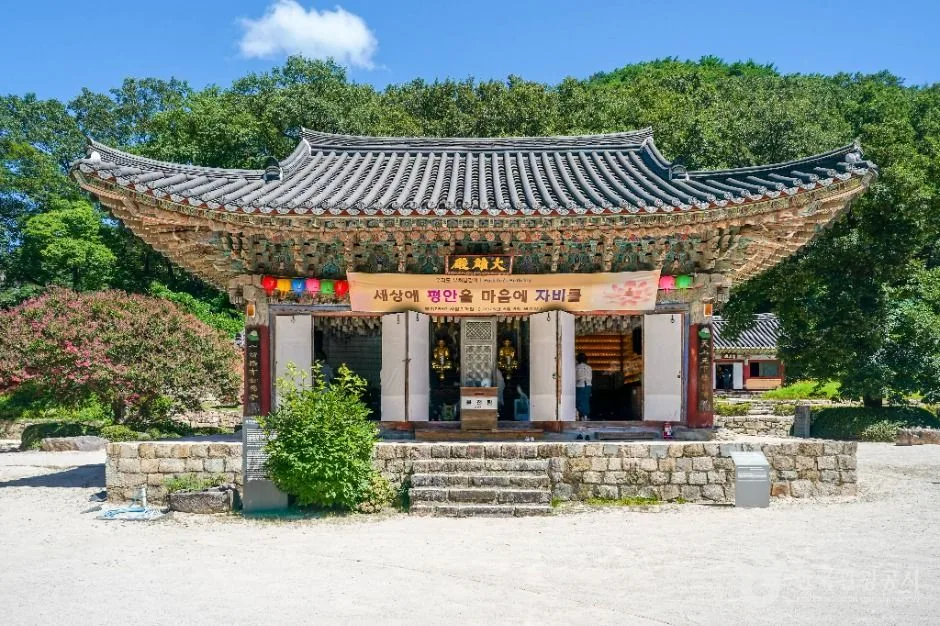
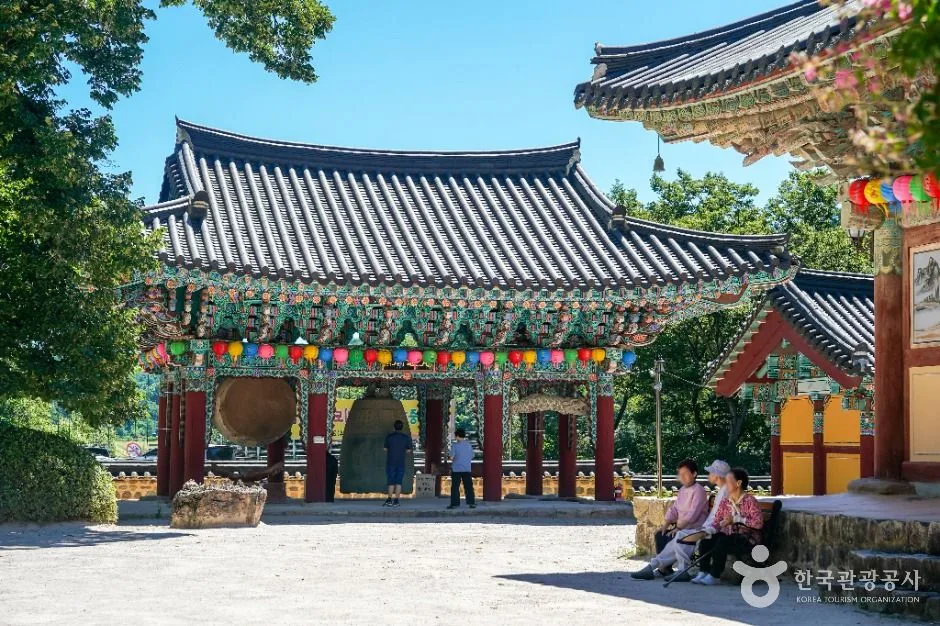
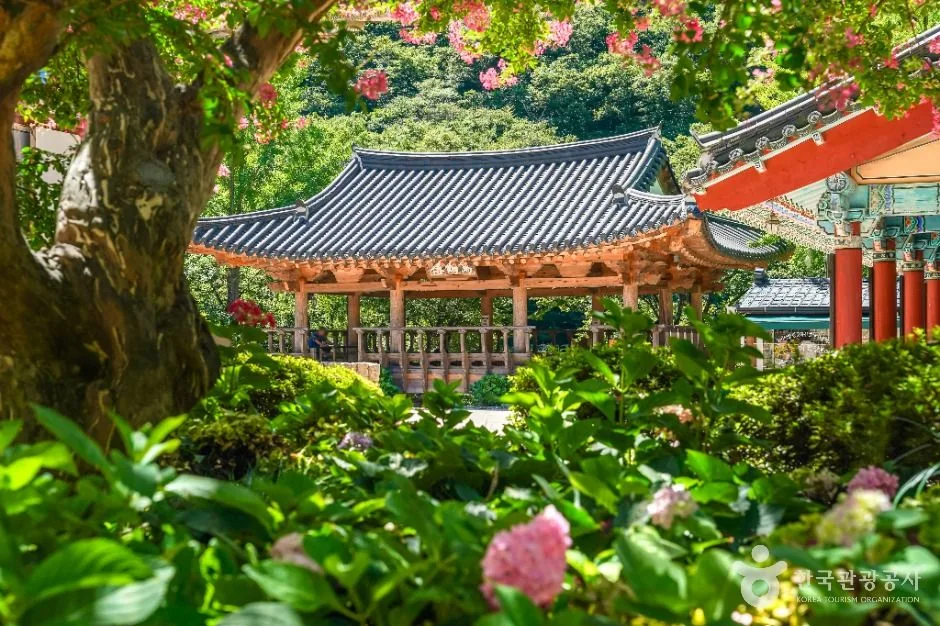
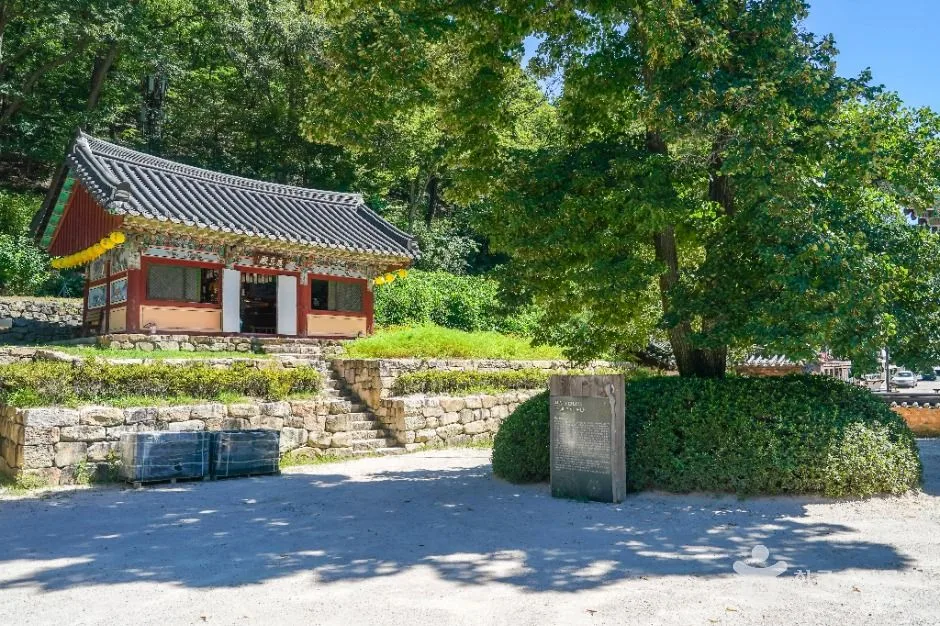
I have to say, the temple complex is home to several important structures, including the Daeungjeon Hall, which dates back to 1741 and serves as the main hall for worship. The architecture is impressive, showcasing traditional Korean design. Take time to explore the temple grounds; they provide stunning views of the surrounding mountains and forests.
How do you get to Oeosa Temple (오어사(포항))?
Getting to Oeosa Temple is relatively straightforward, especially if you have access to a car. It’s located at 1 Oeo-ro in Nam-gu, Pohang-si, Gyeongsangbuk-do. If you’re driving, there’s parking available right at the temple, making it convenient.
Real talk: if you’re relying on public transportation, you can take a bus towards Ocheon-eup. From Pohang city center, buses frequently depart toward this area. It typically takes about 30 minutes by bus to reach the temple from downtown Pohang. Once you arrive, prepare for a bit of walking as you’ll need to navigate some paths leading up to the temple itself.
What should you know before visiting?
There are no entry fees at Oeosa Temple; it’s open all year round for visitors looking to experience its peaceful atmosphere. Just remember that when visiting temples in Korea, it’s respectful to dress modestly and remove your shoes when entering any buildings.
While you’re exploring, keep an eye out for signs that detail the history and significance of various areas within the complex. And here’s something most guides won’t mention: the natural surroundings are just as important as the temple itself. consider take some time to enjoy the scenic beauty of Unjesan Mountain. A gentle hike around the area can be very refreshing. I thought that was a nice touch.
What else is nearby?
If you’re planning an extended visit around Pohang after checking out Oeosa Temple, consider heading over to Yeongildae Beach, just about 20 minutes away by car. This beach is known for its picturesque views and is good for relaxing or enjoying seaside activities.
Additionally, if you’re interested in learning more about local culture and history, check out nearby sites like Donggung Palace or even head into Pohang’s downtown area for local eateries and shops selling traditional crafts.