This is a local's recommended 7-day route — 4 days in Seoul + 2 days in Busan + 1 day in Gyeongju. It's designed to give you the full Korea experience. Part 1 covers Seoul (Days 1–4), and Part 2 continues with Busan and Gyeongju.
The most common question I get from first-time visitors is: “If I have one week in Korea, how do I plan my route to make the most of it?” Honestly? 7 day korea itinerary isn’t enough to see all of Korea. But if you pick the right spots, it’s more than enough to feel what this country is about.
A lot of travelers spend their entire week in Seoul, and I get it — there’s that much to do. But personally, I always recommend a Seoul + Busan + Gyeongju combo. You get the energy of a massive capital city, the laid-back coastal vibes of Busan, and the ancient history of Gyeongju — all in one trip. I do wish I could squeeze Jeju Island in here, but realistically, it needs at least 2–3 days on its own. If you’re thinking about adding Jeju, plan for 10 days minimum.
This itinerary is based on the actual route I take whenever friends visit me from overseas. It’s not the typical tourist-brochure plan — I’ve mixed in places locals actually go, so hopefully it gives you something a little different. I’ve split this into two parts: Part 1 covers Seoul (Days 1–4), and Part 2 covers Busan and Gyeongju (Days 5–7) >>
Note: This itinerary assumes your accommodation is near Seoul Station, which is centrally located and gives you easy access to the AREX airport express, KTX trains, and multiple subway lines.
- •Day 1: Arrive in Seoul & First Impressions (Myeongdong · Namsan)
- •Day 2: History & Tradition (Gyeongbokgung · Bukchon · Gwangjang Market)
- •Day 3: Modern History & K-Culture (DMZ · Hongdae)
- •Day 4: Hidden Seoul (Changdeokgung · Ikseon-dong · Hangang River)
- •That wraps up Part 1 — the Seoul portion of this 7-day itinerary.
Day 1: Arrive in Seoul & First Impressions (Myeongdong · Namsan)
You’ve just landed after a long flight, so the key today is: don’t overdo it. Check in, drop your bags, and ease into the city. Seoul will still be here tomorrow.
Afternoon: Explore Myeongdong
From Incheon Airport, the AREX express train gets you to Seoul Station in just 43 minutes. For a full breakdown of how to get from the airport to the city, check out our guide here: Incheon Airport to Seoul Station Transportation Guide
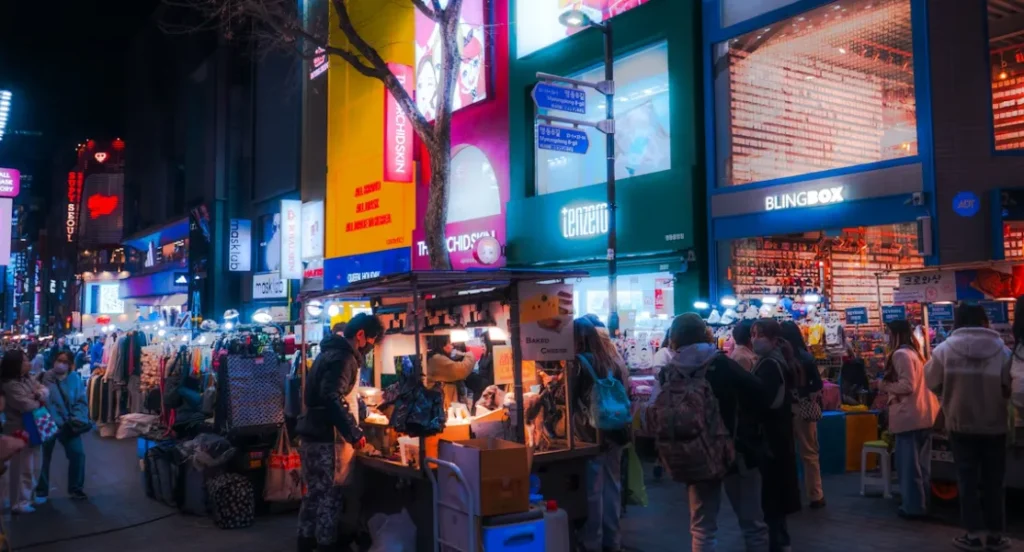
Once you’ve left your luggage at the hotel, head to Myeongdong. It’s the beating heart of K-beauty shopping and one of the best spots in Seoul for street food. If Korean skincare and cosmetics are on your list, you can knock out most of your shopping here. And even if they’re not, the energy of the neighborhood — neon signs, food carts sizzling on every corner, crowds buzzing through narrow streets — is the perfect first taste of Seoul.
Evening: N Seoul Tower Night View
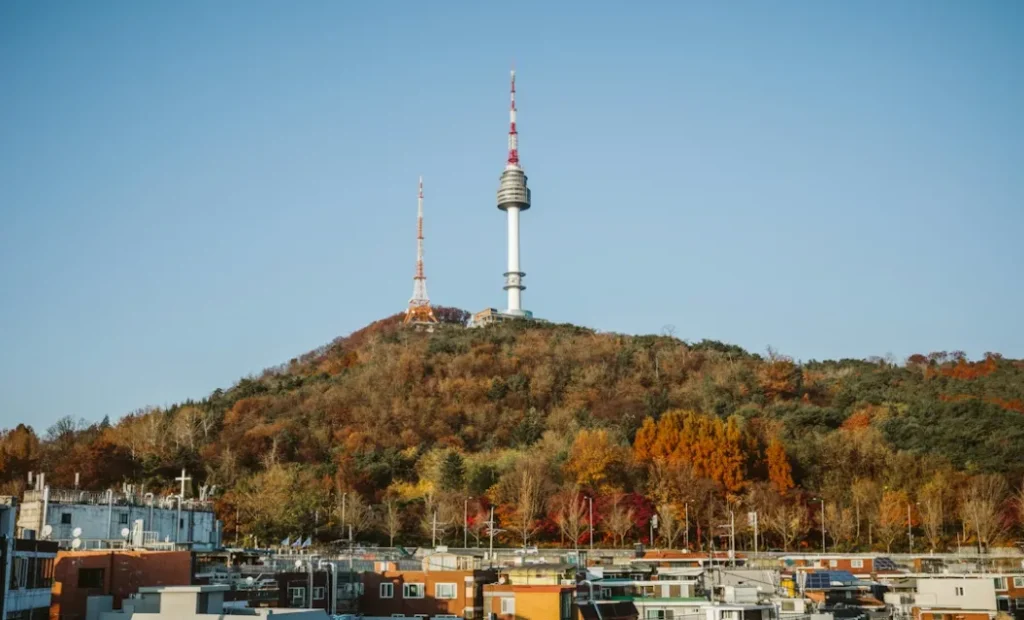
Take the Namsan Cable Car up to N Seoul Tower for a panoramic view of the entire city. My tip: go about 30 minutes before sunset. You’ll catch the golden hour, watch the sky change colors, and then see Seoul light up after dark. It’s one of those moments that makes you realize just how massive this city is.
Dinner recommendation: Myeongdong Kyoja — famous for their kalguksu (knife-cut noodle soup) and handmade dumplings. Yes, it’s right in the middle of a tourist area, but locals eat here too. There’s almost always a line, but it moves fast.
Day 2: History & Tradition (Gyeongbokgung · Bukchon · Gwangjang Market)
Today you’re stepping back into the Joseon Dynasty. Start early — you’ll beat the crowds and get the best light for photos.
Morning: Gyeongbokgung Palace + Hanbok Experience
Gyeongbokgung is the largest and most iconic of Seoul’s royal palaces, and it’s where I always take first-time visitors. Here’s a tip most guides mention but I want to emphasize: rent a hanbok (traditional Korean dress). You get free admission to the palace when wearing one, and your photos will look incredible against the traditional architecture. There are plenty of rental shops near the palace, but booking online in advance saves you the wait.
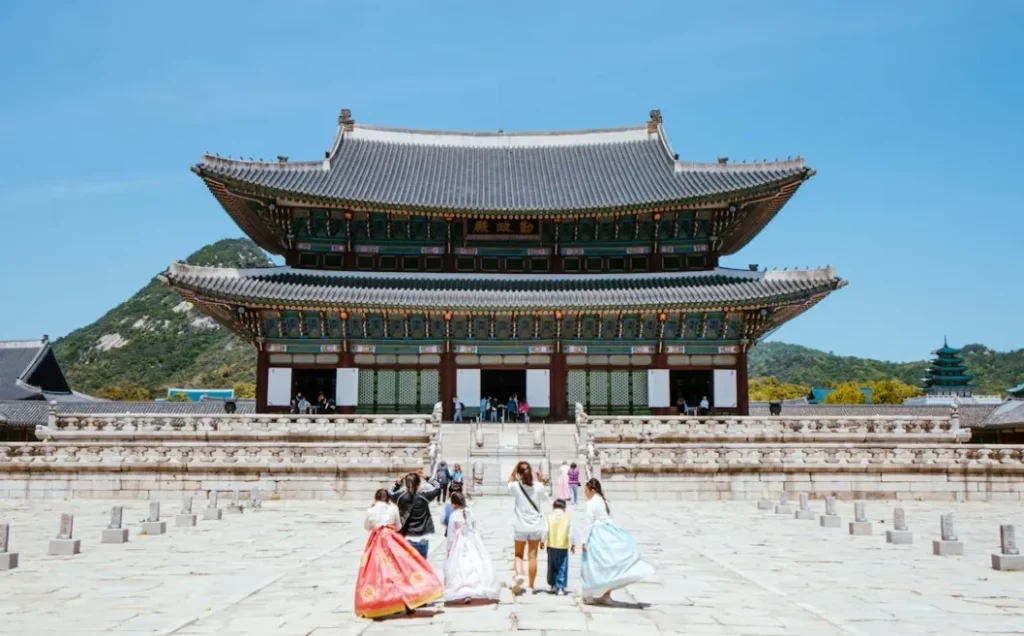
Don’t miss the Royal Guard Changing Ceremony at 10:00 AM and 2:00 PM — it’s a colorful display worth catching. And one important note: the palace is closed on Tuesdays, so plan your days accordingly.
For a detailed guide on visiting the palace in hanbok, see: Gyeongbokgung Palace Hanbok Experience Guide
Lunch: Korean Restaurant Near the Palace
No need to travel far for lunch. The streets around Gyeongbokgung are full of solid Korean restaurants where you can try traditional dishes like bibimbap, bulgogi, or samgyetang (ginseng chicken soup) without the long commute cutting into your afternoon.
Afternoon: Bukchon Hanok Village + Insadong
From Gyeongbokgung, it’s a 10-minute walk to Bukchon Hanok Village. This neighborhood is home to hundreds of traditional hanok houses, some dating back 600 years. Walking through the narrow alleyways lined with curved tile roofs, you genuinely feel transported to another era.
After Bukchon, head downhill to Insadong. This is where you’ll find traditional craft shops, Korean tea houses, and small galleries — perfect for picking up unique, distinctly Korean souvenirs. If you want a break, duck into one of the traditional tea houses and try ssanghwa-cha (herbal tea) or daechu-cha (jujube tea).
Evening: Gwangjang Market
This is the spot for Korean street food. Gwangjang Market has been around since 1905, and it became even more famous after being featured on Netflix. Find a seat at one of the crowded stalls and try bindaetteok (crispy mung bean pancakes), mayak gimbap (addictively good mini seaweed rice rolls).
But here’s the real experience: order pajeon (green onion pancake) and a bottle of makgeolli (milky rice wine), sit right there in the middle of the market chaos, and just take it all in. That’s about as authentically Korean as it gets.
Day 3: Modern History & K-Culture (DMZ · Hongdae)
Day 3 is about contrasts — the heaviness of Korea’s divided history in the morning, followed by the vibrant youth culture of Hongdae in the afternoon.
Morning: DMZ Tour (Half-Day)
The DMZ (Demilitarized Zone) is something you can only experience in Korea. It’s the heavily fortified border between South and North Korea, and standing there gives you a sense of the tension and history that still shapes this country today. I recommend a half-day tour — most depart around 7:00 AM and return to Seoul by 1:00–2:00 PM. You’ll visit Dora Observatory (where you can look into North Korea through binoculars), the Third Tunnel of Aggression, and Imjingak Park.
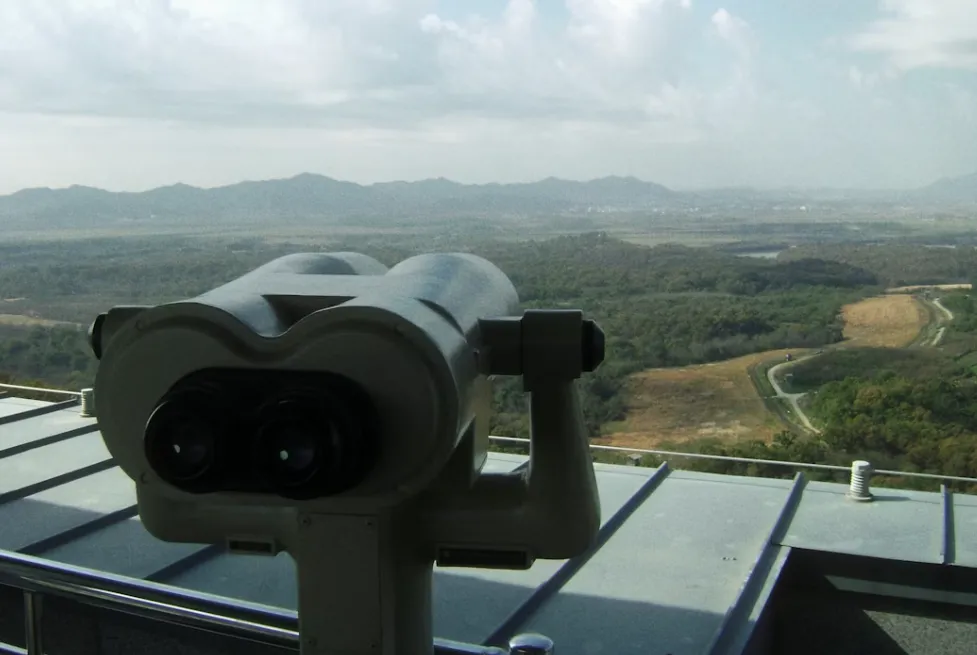
Important: You must book in advance — no walk-ins are allowed. Bring your passport; you’ll need it for the military checkpoints. Tours are available on platforms like Klook or Viator, typically priced around $40–$60 for a half-day tour.
Afternoon to Evening: Hongdae
After the intensity of the DMZ, Hongdae is the perfect palate cleanser. This neighborhood — named after Hongik University — is the epicenter of Seoul’s youth culture. Think indie music, quirky themed cafes, street performers, vintage clothing shops, and more energy than you know what to do with.
If K-pop is your thing, swing by K-Star Road for photo ops with bear statues representing different K-pop groups. And whether or not you’re a singer, you absolutely have to try a noraebang (Korean karaoke room). Koreans are obsessed with noraebang — it’s not about singing well, it’s about having fun. Grab a private room with your travel companions, pick some songs (most machines have English options), and go for it.
Dinner recommendation:
Get Korean BBQ somewhere around Hongdae. Sitting around a grill, cooking samgyeopsal (pork belly) or galbi (marinated short ribs) yourself, wrapping it in lettuce with garlic and ssamjang sauce — this is one of those meals that people remember long after the trip is over. Most Korean BBQ restaurants are designed for groups of 2 or more, so keep that in mind if you’re traveling solo.
Day 4: Hidden Seoul (Changdeokgung · Ikseon-dong · Hangang River)
By Day 4, you’ve seen Seoul’s big-ticket attractions. Today is about slowing down and discovering the neighborhoods that make this city feel alive.
Morning: Changdeokgung Palace — Secret Garden
Changdeokgung is smaller than Gyeongbokgung, but many locals (myself included) actually prefer it — especially for the Huwon, or Secret Garden. This rear garden is a masterpiece of Korean landscape design: ancient trees, lotus ponds, traditional pavilions, and walking paths that feel completely removed from the city outside. In spring, the cherry blossoms here are breathtaking. In fall, the foliage is otherworldly.
Important: The Secret Garden has a daily visitor cap, so advance reservations are essential. Don’t skip this — it’s one of the most beautiful places in all of Seoul.
Lunch: Ikseon-dong Hanok Street
A short walk from Changdeokgung takes you to Ikseon-dong, one of Seoul’s trendiest neighborhoods. The charm here is the contrast: 1920s-era hanok buildings that have been converted into stylish cafes, restaurants, and boutiques. It’s the kind of place where you can sip a latte in a century-old courtyard, and it photographs beautifully.
Afternoon: Seongsu-dong or Yeonnam-dong
If you still have energy, pick one of these two neighborhoods to explore:
- Seongsu-dong — Often called the “Brooklyn of Seoul.” Old factories and warehouses have been transformed into hip cafes, art galleries, and pop-up stores. It’s where Seoul’s creative scene is buzzing right now.
- Yeonnam-dong — A quieter, more relaxed vibe. Walk along the Gyeongui Line Forest Park (a converted railway turned into a beautiful urban green path) and hop between cozy cafes. Perfect if you want to decompress.
Evening: Fried Chicken & Beer by the Han River
This is non-negotiable. Sitting by the Han River with fried chicken and cold beer — chimaek (치맥, a mashup of “chicken” and “maekju,” the Korean word for beer) — is a Korean cultural experience. It’s what locals do on warm evenings, and there’s nothing quite like it anywhere else.
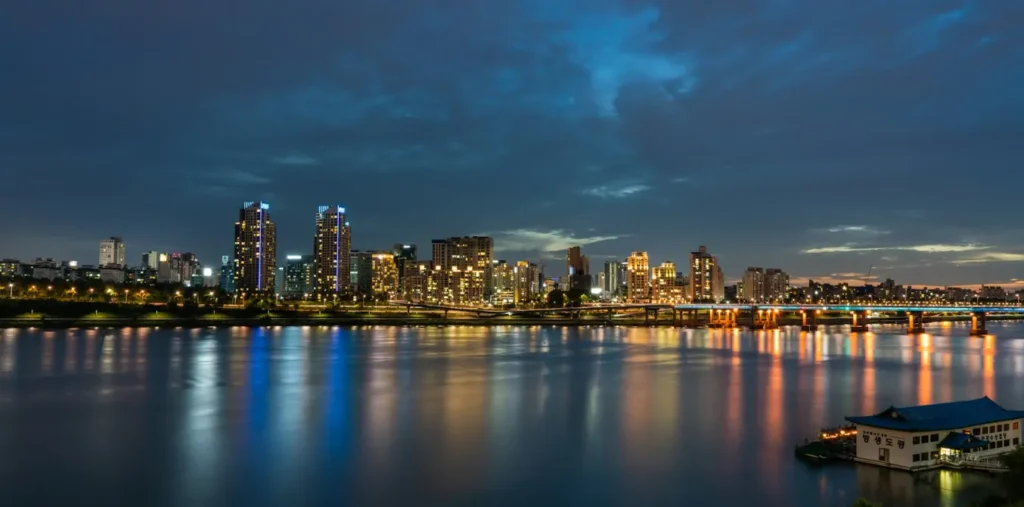
Head to Yeouido Hangang Park or Banpo Hangang Park (where you can watch the Banpo Bridge Rainbow Fountain light show). You can order delivery through an app or just grab chicken and drinks from a nearby convenience store.
And if the weather isn’t cooperating? No worries — order chimaek to your hotel room instead. Delivery culture in Korea is next-level, and fried chicken delivered to your door at 10 PM is a perfectly valid way to end the night. Either way, don’t leave Korea without trying it. The flavors — especially yangnyeom (sweet-spicy glazed) chicken — are unlike anything you’ve had before.
That wraps up Part 1 — the Seoul portion of this 7-day itinerary.
In Part 2, we head south. You’ll take the KTX bullet train to Busan for beaches, seafood markets, and the colorful Gamcheon Culture Village, then make a day trip to Gyeongju — Korea’s ancient capital and an open-air museum of 1,000-year-old Silla Dynasty ruins.
Continue to Part 2: Busan & Gyeongju (Days 5–7) >>
FAQ
How many days do I need to travel Korea for the first time?
A 7-day Korea itinerary is a great starting point for first-time visitors. While it’s not enough to see everything, you can experience Seoul’s highlights (4 days) plus Busan and Gyeongju (3 days). If you want to add Jeju Island, plan for at least 10 days.
Where should I stay in Seoul for a 7-day Korea trip?
Staying near Seoul Station is highly recommended. It’s centrally located and gives you easy access to the AREX airport express from Incheon, KTX trains to Busan, and multiple subway lines for getting around the city.
How do I get from Incheon Airport to Seoul?
The AREX express train is the fastest and most convenient option, taking just 43 minutes from Incheon Airport to Seoul Station. It’s affordable, reliable, and avoids traffic delays that buses or taxis might encounter.
What should I do on my first day in Seoul?
Keep it simple—you’ve just had a long flight. Drop your bags at the hotel, explore Myeongdong for street food and K-beauty shopping, then head up to N Seoul Tower around sunset for a panoramic night view of the city.
Do I need to rent a hanbok to visit Gyeongbokgung Palace?
You don’t have to, but it’s highly recommended. Wearing a hanbok (traditional Korean dress) gets you free admission to the palace, and your photos will look incredible against the traditional architecture. Book online in advance to skip the wait at rental shops.
What day is Gyeongbokgung Palace closed?
Gyeongbokgung Palace is closed every Tuesday. Plan your visit for another day, and try to arrive early in the morning to beat the crowds and get the best photos.
What’s the best market for Korean street food in Seoul?
Gwangjang Market is the top choice. It’s been around since 1905 and was featured on Netflix. Must-tries include bindaetteok (mung bean pancakes), mayak gimbap (mini seaweed rice rolls), and pajeon (green onion pancake) with makgeolli (rice wine).
Can I visit the DMZ without a tour?
No, you cannot visit the DMZ on your own. You must book an organized tour in advance—no walk-ins are allowed. Bring your passport for military checkpoints. Half-day tours typically cost $40–$60 and return to Seoul by early afternoon.
What is Hongdae known for in Seoul?
Hongdae is Seoul’s youth culture hub, named after Hongik University. It’s famous for indie music, street performers, themed cafes, vintage shops, and vibrant nightlife. Don’t miss trying a noraebang (Korean karaoke room)—it’s a must-do Korean experience.
What’s the difference between Gyeongbokgung and Changdeokgung?
Gyeongbokgung is larger and more iconic, while Changdeokgung is smaller but features the stunning Secret Garden (Huwon)—a masterpiece of Korean landscape design with ancient trees, lotus ponds, and pavilions. Many locals actually prefer Changdeokgung for its more intimate atmosphere.
Do I need reservations for Changdeokgung Secret Garden?
Yes, advance reservations are essential. The Secret Garden has a daily visitor cap to preserve the site. Book ahead to secure your spot—it’s one of the most beautiful places in Seoul, especially during cherry blossom season or fall foliage.
What is chimaek and where can I try it?
Chimaek is the beloved Korean combo of fried chicken (chi) and beer (maekju). The best way to enjoy it is by the Han River at Yeouido or Banpo Hangang Park. You can order delivery or grab chicken from nearby stores. Try yangnyeom chicken (sweet-spicy glazed) for authentic Korean flavors.
What are the best trendy neighborhoods to visit in Seoul?
Beyond the main tourist spots, check out Ikseon-dong (1920s hanok buildings turned into stylish cafes), Seongsu-dong (Seoul’s “Brooklyn” with converted warehouses and art galleries), or Yeonnam-dong (relaxed vibes along Gyeongui Line Forest Park).
Is Korean BBQ worth trying in Seoul?
Absolutely—it’s a must-do experience. You cook samgyeopsal (pork belly) or galbi (short ribs) at your table, wrap it in lettuce with garlic and ssamjang sauce, and enjoy. Most restaurants require 2 or more people, so keep that in mind if traveling solo.
Useful Korean Phrases
Tap to expand
Summary of Key Points
This 7-day itinerary splits into Seoul (4 days) + Busan (2 days) + Gyeongju (1 day) — covering Korea's key highlights for first-time visitors. Part 1 focuses on the Seoul days
Day 1 is a light arrival day: explore Myeongdong for K-beauty shopping and street food, then catch the sunset and night view from N Seoul Tower
Day 2 dives into Korean history: rent a hanbok at Gyeongbokgung Palace (free entry when wearing one), walk through the 600-year-old Bukchon Hanok Village, and eat your way through Gwangjang Market at night
Day 3 pairs the DMZ — one of the most unique experiences in Korea — with Hongdae's vibrant youth culture, Korean BBQ, and noraebang
Day 4 is about hidden Seoul: the Secret Garden at Changdeokgung Palace, the trendy hanok cafes of Ikseon-dong, creative neighborhoods like Seongsu-dong, and chimaek (fried chicken + beer) by the Han River
Gyeongbokgung Palace is closed on Tuesdays — a detail that catches many travelers off guard
Hanbok rental is both a cultural experience and a money-saver (free palace entry)
Naver Map is more accurate than Google Maps in Korea — download it before you arrive
Seoul's subway system is world-class: clean, punctual, and affordable at around $1 per ride with a T-money card
1 thought on “7 day Korea itinerary for First-Time Visitors (Part 1: Seoul)”